

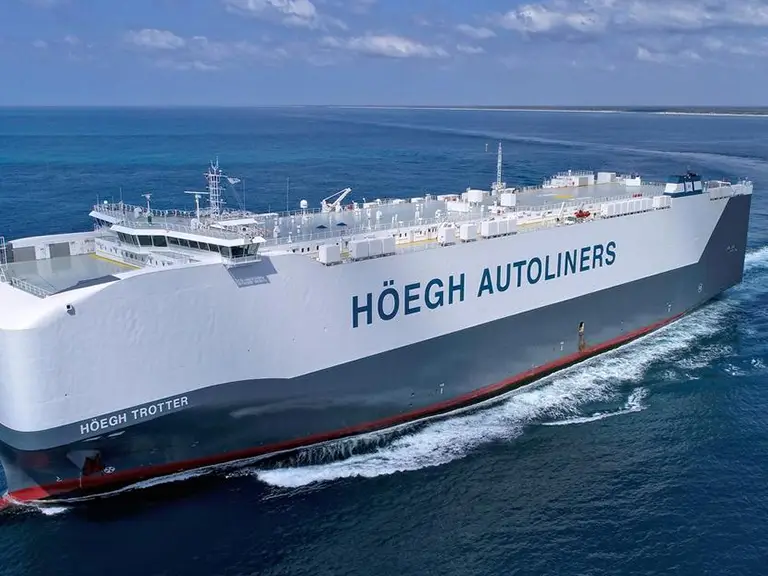
Are ships and marine structures around the world meeting maritime safety standards? To find the answer, you need to know how important classification societies are. The maritime classification societies were set up to make sure that the maritime realm is safe and secure. They develop and enforce rules governing the design, construction, and maintenance of ships. They do this to keep ships, personnel, and the ocean safe.
We know how important it is to follow these rules because we are one of the top marine equipment dealer of maritime protection systems. In this article, we’ll talk about how important classification societies are and how they affect the shipping business.
The Origin and Evolution of Classification Societies
The growth of the maritime industry and the history of classification societies are closely linked. The demand for consistent safety and operating rules expanded as the industry did.
The Birth of Lloyd’s Register
In the 18th century, Lloyd’s Register was one of the first categorization societies. Developing regulations for building and classifying ships made the seas safer and set the stage for subsequent societies.
Development of Major Classification Societies
Bureau Veritas (1828), Det Norske Veritas (1864), and Germanischer Lloyd (1867) were some of the other big classification societies that came after. These societies developed their own norms and standards, which often showed how important marine issues were in their own country. The shipping sector grew around the world, and these groups opened offices all around the world to meet the industry’s changing needs.

Understanding Classification Society in Shipping
Classification societies are groups that set and keep technical standards for how ships are designed, built, and run. Their major job is to make sure that ships are built and kept in good shape so they can handle the harsh conditions of the sea.
Classification societies are an important first line of defense for maritime safety. Because they keep an eye on things to assist keep accidents from happening and protect marine habitats. Some important parts of their job are:
- Creating and keeping up with technical requirements that change as new technologies come out and lessons are gained from problems.
- Giving stakeholders unbiased evaluations that tell them about the condition and compliance status of a vessel.
Classification societies help the maritime sector keep improving safety standards and follow international rules like SOLAS and MARPOL. This makes the whole marine industry safer and better for the environment.
The International Association of Classification Societies (IACS)
IACS is a group of the most important classification societies that work together to improve maritime safety and innovation. We know how important it is for the marine industry to have common standards. And IACS is a key player in making this happen.
A council made up of high-ranking executives from the member societies runs IACS. This governance structure makes sure that everyone has a say in decisions and that the group’s members’ knowledge is used.
Lloyd’s Register, American Bureau of Shipping (ABS), Bureau Veritas, DNV, and ClassNK are all IACS member societies with large networks around the world. These groups have an effect on maritime safety standards all across the world.
| IACS Member Society | Global Presence | Specialized Expertise |
| Lloyd’s Register | Global networks across major shipping routes | Arctic shipping, offshore energy installations |
| American Bureau of Shipping (ABS) | Major shipping routes and ports worldwide | Vessel types, operational environments |
| Bureau Veritas | Extensive global coverage | Marine equipment, protective systems |
Zhonghaihang Shipping Supply benefits from the fact that standards are always followed in international shipping. This makes sure that the equipment they send to ships flying different flags is reliable.
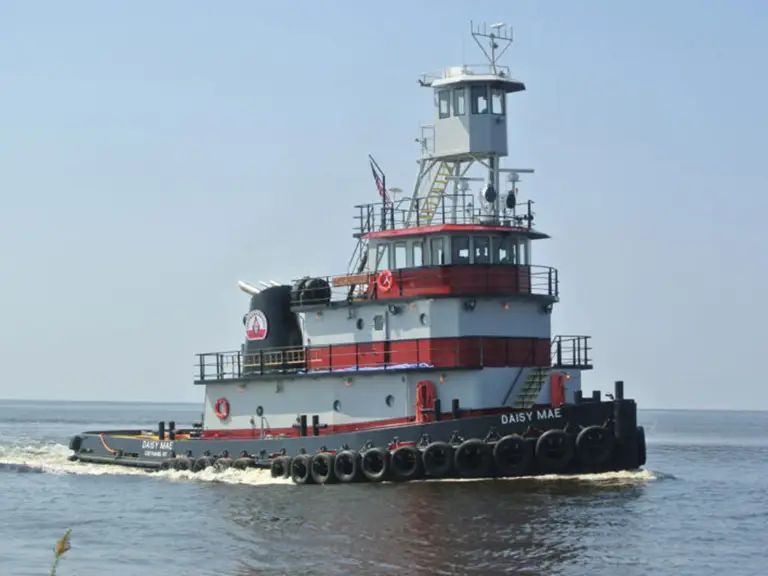
Key Functions and Responsibilities of Classification Societies
Classification societies are very important for making sure that ships and buildings are safe and sound. They use strict methods to make sure that these buildings meet our grading system by getting the right appraisals.
Development of Technical Standards and Rules
They make rules and standards that regulate the design, building, and operation of ships and structures that are built offshore. These rules are meant to protect the safety of people, property, and the environment.
Verification and Enforcement of Compliance
Their surveyors check to make sure that regulations and standards are being followed by doing physical inspections, witnessing tests, and looking over paperwork. During the building phases, they check material certifications, component tests, and system integration evaluations. They also do regular surveys to make sure that a vessel stays in compliance throughout its operating life.
- They have strict verification processes that start with a design review and continue for the whole time a vessel is in use.
- Inspections and document reviews are done by qualified surveyors to make sure everything is in order.
- Regular surveys check that compliance is still in place and find out what needs to be done for maintenance.
- If they find any problems, they give people a certain amount of time to fix them.
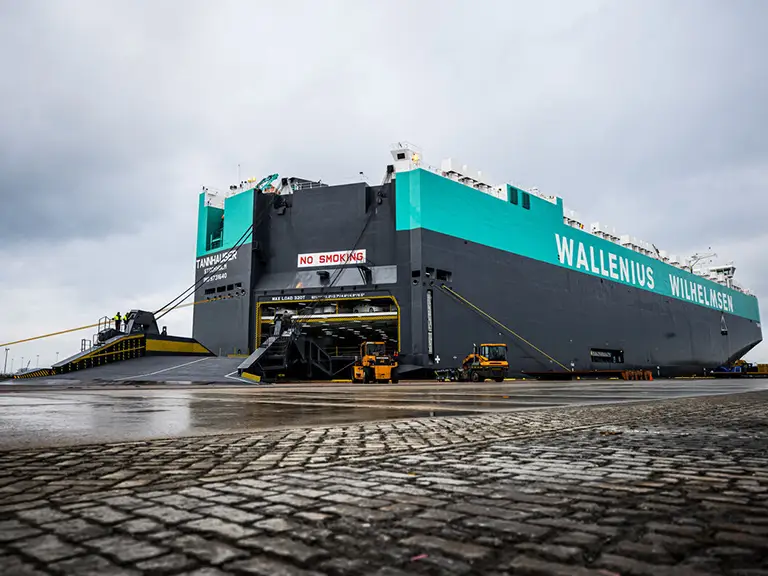
The Classification Process for New Vessels
The process of classifying new ships is very detailed and has many steps. It makes sure that they meet strict maritime requirements. This step is very important for making sure that a ship is built and designed to meet all of the safety, operational, and environmental rules.
Design Review and Plan Approval
The first step in the classification process is a thorough assessment of the design and approval of the plan. At this point, the experts carefully look over the vessel’s design blueprints to make sure they follow all the rules and standards that apply.
- A close look at the structural designs, such as the hull and superstructure.
- A look at the systems and equipment, like the steering, propulsion, and safety systems.
- Checking that the design meets the needs for safety, strength, and stability
Construction Supervision and Initial Certification
After the design is approved, they oversee the construction to make sure that the ship is built according to the plans that were approved. This means that inspections and witnessing of important tests happen on a regular basis.
- Inspections during construction on a regular basis to make sure that the work is being done according to approved plans and standards.
- Watching important tests, such as pressure tests of pipes and weight tests of lifting equipment.
- Checking that the materials are certified and can be traced back to their source during the building process.
- Sea trials are conducted to check the ship’s performance by keeping an eye on the propulsion systems, steering gear, and other important operations.
After all surveys and testing are finished, the classification society gives the ship the first certificate of class, which shows that it follows all the standards that apply to it.
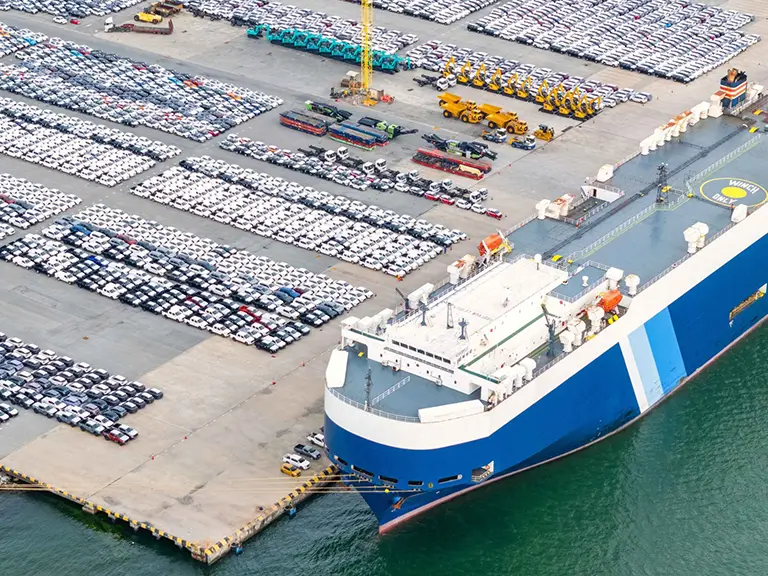
Maintaining Classification: Surveys and Inspections
Surveys and inspections are very important for keeping a ship’s classification and making sure it meets safety regulations. Classification societies do these surveys to make sure that ships still fulfill the safety and operational requirements they need to follow during their whole lives.
Types of Surveys Throughout a Vessel’s Lifecycle
Vessels undergo various types of surveys at different stages of their lifecycle. These include:
- Annual surveys to ensure ongoing compliance with safety and operational standards.
- Periodic surveys, which are more comprehensive and occur at specific intervals.
- Special surveys represent the most thorough examination in the classification cycle.
Special Surveys and Damage Assessments
Special surveys are long and need a lot of planning, which usually means a lot of maintenance labor. Classification societies check for damage when ships hit anything, run aground, or get hit by bad weather. These inspections check the vessel’s structural integrity and figure out what repairs need to be made.
| Survey Type | Purpose | Frequency |
| Annual Survey | Verify ongoing compliance with safety and operational standards. | Annually |
| Periodic Survey | More comprehensive examination of the vessel. | At specific intervals (e.g., every 2.5 or 5 years) |
| Special Survey | Thorough examination requires extensive preparation and maintenance. | At class renewal (e.g., every 5 years) |
After a survey is finished, a class surveyor gives the ship a temporary certificate of class, which lets it sail. The surveyor then sends the survey report and recommendation to the society’s committee, which will eventually award a new class certificate. Classification surveyors look at restoration ideas, keep an eye on the work being done, and make sure that restored buildings fit the original design criteria. After repairs or special surveys are done, the classification organization gives out new certificates that show the ship is still following all the standards that apply to it.

Classification Notations and Certificates
After good surveys and sea trials, classification bodies issue certificates of class. These are necessary for a ship to be legally operational. These certificates, together with different notes, are very important for making sure that a ship follows class norms and international maritime standards.
Class notations are letters or symbols that are put on a ship to show what class it is in and what rules or standards it follows. Shipowners, operators, and regulatory agencies need these notes to swiftly grasp a ship’s strengths and weaknesses, as well as whether it is following the rules.
Classification societies give out a number of certificates to show that a ship is in conformity and ready to go. Some of the most important certificates are:
- The Certificate of Classification, which confirms a vessel’s compliance with class rules and notes any conditions or recommendations.
- Interim certificates provide temporary documentation following surveys until permanent certificates are issued.
- Statutory certificates, issued on behalf of flag states, confirm compliance with international conventions like SOLAS and MARPOL.
- Equipment certificates, documenting the approval of critical components and systems.
- Special operation certificates, such as single voyage certificates for vessels undertaking unusual transits.
These certificates and notes are very important to the maritime industry. Because they make sure that ships follow worldwide standards and run safely and efficiently.
Major Classification Societies Around the World
Key classification societies are important for safety and compliance in the global maritime industry. These groups are very important for making sure that ships follow strict safety and environmental rules.
A few classification societies stand out because they have a lot of power over the world and offer a lot of services. For example, ABS has been at the top of its field for more than 150 years, working to safeguard life, property, and the environment. Bureau Veritas is also known for having a wide range of ships in its fleet.
Many prominent classification organizations have become experts in certain areas, even though they offer a wide range of services. For instance, the Russian Maritime Register of Shipping (RS) is quite good at ice-class ships and operations in the Arctic. The China Classification Society (CCS) has developed a lot and now focuses on bulk carriers and container ships. Korean Register (KR) uses Korea’s shipbuilding knowledge to help with complicated types of ships, such as LNG carriers and offshore units.
- Major classification societies have developed specialized expertise in particular vessel types or operational environments, influencing equipment requirements and standards.
- Russian Maritime Register of Shipping (RS) is notable for its strength in ice-class vessels and Arctic operations.
- China Classification Society (CCS) has developed specific expertise in bulk carriers and container vessels, aligning with China’s shipbuilding industry growth.
- Korean Register (KR) offers specialized services for complex vessels, including LNG carriers and offshore units, leveraging Korea’s shipbuilding capabilities.
- These specializations affect manufacturers like Zhonghaihang Shipping Supply, who must ensure their products meet varied classification society specifications.

Marine Equipment Standards and Certification
Classification societies are in charge of marine equipment standards and certification, which are very important in the maritime business. These groups make sure that marine gear, such as fenders and other protective gear, fulfills strict safety and performance standards.
Equipment Testing and Approval Processes
Classification societies set up strict testing procedures to make sure that maritime equipment can handle the harsh conditions at sea. Manufacturers like Zhonghaihang Shipping Supply have to follow certain rules when they test pneumatic fenders, rubber fenders, and marine airbags in settings that are similar to how they will be used.
Classification Requirements for Protective Equipment like Fenders
Marine fenders and safety gear must meet certain standards for the materials used, how much energy they can absorb, and how long they last. Classification societies create performance requirements for ships depending on their size, berthing energy, and operational conditions. This is to make sure that both ships and port infrastructure are safe.
To get certified, you usually need to show proof that the protective gear meets or exceeds minimal safety criteria. This proof can include material certificates, test results, and technical specifications. To make sure that approved designs and manufacturing methods are still being followed, factories are also checked on a regular basis and products are sampled.
Conclusion
As we work our way through the complicated maritime business, classification societies stand out as important places for safety and following the rules. These groups have changed a lot throughout time, and they now provide important technical oversight for a ship’s entire life cycle, from design to operational service.
We make a lot of different types of maritime equipment at Zhonghaihang Shipping Supply. Some examples are pneumatic fenders, rubber fenders, marine air bags, and foam fenders. We make sure that all of our goods meet or surpass the criteria set by classification societies. By following these rules and understanding them, we help keep people safe at sea and help the maritime industry keep growing and coming up with new ideas.

FAQ
What is the primary role of a Classification Society?
How do Classification Societies contribute to maritime safety?
What is the International Association of Classification Societies (IACS)?
How do Classification Societies verify compliance with environmental regulations?
Talk to our team.
Share a few details about your project — vessel, port, or operation. We'll reply within 24 hours.