

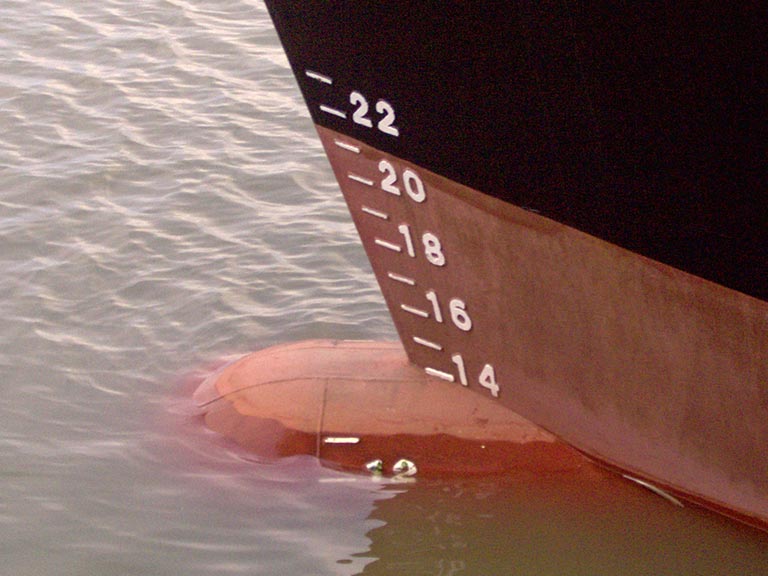
Tonnage is a critical indicator of a ship’s size, showing either its volume or weight. Gross tonnage gauges the total internal volume of a vessel. On the other hand, net tonnage measures the space that can be used for cargo. This distinction is crucial for shipyard managers and harbor owners. Because it affects fee calculations, taxes, and adherence to global maritime laws.
At Zhonghaihang Shipping Supply, we’ve witnessed how these metrics shape the maritime sector. We delve into the differences between gross tonnage and net tonnage, their calculation methods, and their practical uses. Understanding these metrics helps maritime experts navigate the complexities of shipping and measurement.
Understanding Ship Tonnage Measurements
Tonnage measurements are essential in the maritime field, impacting taxation, cargo capacity, and more. We delve into the concept and historical development of tonnage measurements to grasp their importance.
The Concept of Tonnage in Maritime Industry
Tonnage measures a ship’s cargo volume or weight. The term “tonnage” comes from the “tun,” a large wine container used to gauge cargo capacity in the past. Today, tonnage is vital for shipping, influencing taxation, regulatory compliance, and operational efficiency. The measurement system has evolved to account for various cargo types and ships, ensuring accurate calculations of a vessel’s earning capacity and operational capabilities.

Historical Development of Tonnage Measurement
The history of tonnage measurement is a captivating journey from simple taxation to complex international standards. Initially, tonnage was based on the number of “tuns” a vessel could carry. King Edward I introduced the first tax on ships based on tons burthen in 1303. Over time, the system evolved, with significant milestones including Builder’s Old Measurement from about 1650 until 1849, and George Moorsom’s volume-based system in 1854. The need for a unified system led to the 1969 IMO International Convention on Tonnage Measurement of Ships, establishing a global standard.
- The evolution of tonnage measurement reflects changes in maritime commerce and technology.
- Different measurement systems have been used historically, including Builder’s Old Measurement and Moorsom’s method.
- International standardization has ensured consistency in tonnage calculations globally.
Gross Tonnage Explained
Gross tonnage is a key metric used by maritime authorities to establish safety standards, manning requirements, and registration fees for vessels. It serves as a fundamental measure in the maritime industry, influencing various aspects of ship operations and regulatory compliance.
Gross tonnage (GT) is defined as the overall internal volume of a ship, calculated according to specific measurement rules. It is used as a basis for determining manning regulations, safety rules, and registration fees. The primary purpose of gross tonnage is to provide a standardized measure that can be used to apply various regulatory requirements.
How Gross Tonnage is Calculated
The calculation of gross tonnage involves measuring the volume of all enclosed spaces on a vessel, including cargo holds, tanks, and superstructures. The measurement is typically done using a formula that takes into account the ship’s dimensions and the volume of its enclosed spaces. According to international regulations, the gross tonnage of a ship is calculated using a specific formula that considers the molded depth, breadth, and length of the ship.

Regulatory Implications of Gross Tonnage
Gross tonnage plays a key role in maritime regulations, influencing adherence to SOLAS, MARPOL, and MLC. It dictates safety standards, such as life-saving equipment and firefighting systems. Additionally, it determines manning requirements and registration fees, based on maritime authority thresholds.
Shipowners and operators can better navigate the maritime regulatory landscape by understanding gross tonnage.
Net Tonnage Explained
Net tonnage measures a vessel’s usable space, impacting its commercial viability. It directly affects the cargo a ship can carry, making it crucial for assessing commercial efficiency.
Net tonnage is the volume of cargo space on a ship. It only counts the space for cargo, making it essential for evaluating commercial efficiency. It influences a vessel’s earning potential, affecting operational costs and revenue.
How Net Tonnage is Calculated
Calculating net tonnage involves measuring cargo spaces and applying a formula under international regulations. This measurement is vital for determining a vessel’s actual capacity. Canal authorities, like those managing the Suez and Panama Canals, use net tonnage for transit fees, recognizing its accuracy in reflecting commercial utilization.
Commercial Significance of Net Tonnage
Net tonnage is a critical metric in the shipping industry, affecting operational costs. It’s used in calculating fees and dues, influencing voyage costs, and route planning. Charter agreements and freight contracts often reference net tonnage, providing a standardized measure of cargo-carrying capacity.

Key Differences Between Gross Tonnage and Net Tonnage
Understanding the difference between gross and net tonnage is essential for maritime operations. These measurements serve different purposes, impacting ship owners, operators, and regulatory bodies differently.
Measurement Focus: Volume vs. Usable Space
Gross tonnage measures a vessel’s total internal volume, including non-cargo spaces. Net tonnage, however, focuses on usable space for cargo and passengers. This difference affects how vessels are assessed and utilized commercially.
Practical Applications in Maritime Operations
The distinction between gross and net tonnage impacts maritime operations. Registration fees and annual tonnage taxes are based on gross tonnage, reflecting vessel size and complexity. Net tonnage, however, determines commercial utilization, influencing port charges and canal transit fees. Ports often use a hybrid approach, with fees based on both gross and net tonnage.
Impact on Fees, Taxes, and Regulations
The financial and regulatory implications of gross and net tonnage are significant. Canal authorities base transit fees on net tonnage, recognizing its commercial benefit. Regulatory requirements increase at specific gross tonnage thresholds, affecting safety equipment, crew certification, and structural standards. Tonnage tax, levied on shipping companies, is calculated on total tonnage value, offering a more favorable tax regime than conventional corporate taxation.
Maritime professionals can better navigate the complex landscape of fees, taxes, and regulations by understanding these differences.

Other Important Tonnage Measurements in Shipping
Shipping industry metrics go beyond gross and net tonnage. These measurements are key for assessing a vessel’s capabilities and operational efficiency. They also ensure compliance with international regulations.
- Deadweight Tonnage: Deadweight tonnage (DWT) measures a vessel’s carrying capacity. This includes cargo, fuel, and supplies. It’s vital for determining a ship’s commercial viability and operational limits. DWT is found by subtracting the empty vessel’s weight from its total weight when fully loaded.
- Displacement Tonnage: Displacement tonnage is the actual weight of a vessel. It’s calculated by measuring the volume of water displaced by the ship. This measurement is crucial for naval architects and engineers to assess stability and performance.
- International Tonnage Certificate Requirements: The International Tonnage Certificate (ITC) is mandatory for international voyages. It’s issued under the 1969 International Convention on Tonnage Measurement of Ships. The certificate confirms a vessel’s gross and net tonnage, issued by the flag state or classification societies.
Main contents of ITC
- The ITC serves as official documentation of a vessel’s gross and net tonnage.
- The certificate is issued after detailed surveys and calculations, following standardized international formulas.
- While the certificate has no expiration date, it must be reissued if modifications affect the vessel’s tonnage measurements.
- Compliance with ITC requirements is verified during port state control inspections.

Conclusion
Accurate tonnage measurement is crucial for compliance and operational efficiency. These measurements affect vessel operations, costs, and regulatory compliance. With a deep understanding of tonnage measurements, shipyard managers and harbor owners can make informed decisions.
As a professional marine equipment manufacturer, Zhonghaihang Shipping Supply provides professional protection solutions. These include pneumatic fenders and marine airbags to ensure safety and efficiency.
FAQ
What is the difference between gross tonnage and net tonnage?
How is displacement tonnage calculated?
What is deadweight tonnage used for?
Why is tonnage measurement important in shipping?
How does net tonnage impact commercial operations?
What is the International Tonnage Certificate, and why is it required?
Talk to our team.
Share a few details about your project — vessel, port, or operation. We'll reply within 24 hours.