

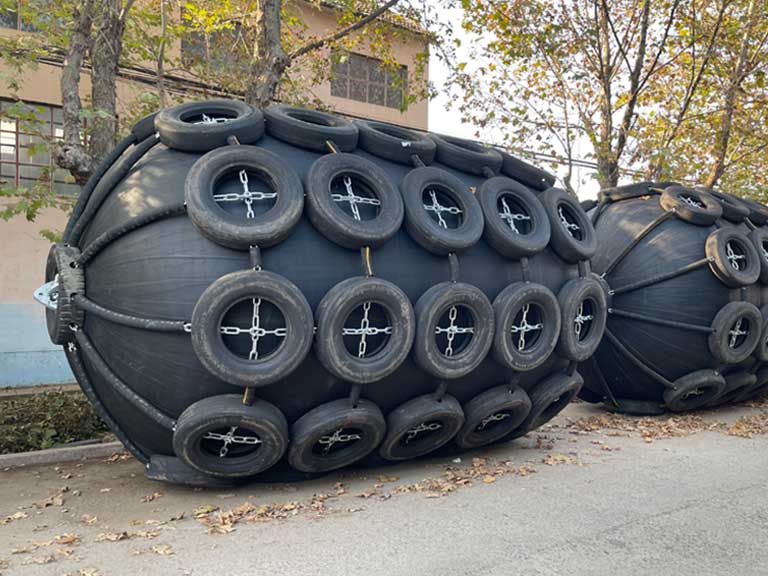
Does rubber rot? That is what everyone wants to know. Understanding the complex disintegration process that rubber items go through is critical for finding a solution. This is especially true in severe marine environments, where seawater, UV radiation, and temperature variations all accelerate the breakdown process.
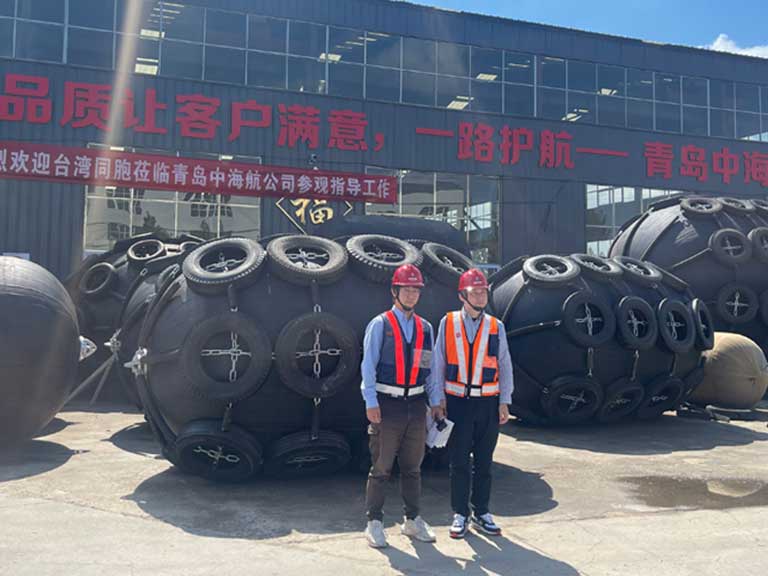
As a competent marine equipment supply, Zhonghaihang Shipping Supply recognizes the significance of addressing rubber deterioration and its influence on marine equipment. This article will discuss the causes, symptoms, and techniques to protect rubber from breaking down. This will be handy for marine applications.
Understanding Rubber Rot: The Science Of Degradation
Rubber deterioration, often known as “dry rot,” is a complex process influenced by numerous factors in the environment. We are mindful of rubber items, particularly those used in marine environments. They are prone to degradation when exposed to oxygen, UV radiation, and other substances.
Rubber materials degrade over time, losing their physical properties and usability. This is known as rubber rot. Cracking, brittleness, and discoloration are typical symptoms of this illness. When rubber is exposed to harsh sea conditions, the protective compounds within it gradually break down, hastening the breakdown process.
Chemical Processes Behind Rubber Degradation
Several chemical mechanisms influence the degradation of rubber. Some of these include oxidation, photodegradation, acidity, and temperature fluctuations. Understanding these processes is essential for reducing the harm caused by rubber rot.
- When oxygen ions combine with polymer chains in rubber, they break down and become stiff. This process is known as oxidation.
- Photodegradation occurs when UV radiation breaks down chemical links in rubber. This destroys the surface and causes the rubber to degrade even more.
- Hydrolysis occurs when water molecules react with a rubber compound, weakening its structure. This is particularly essential in aquatic environments.
- Temperature changes cause rubber to expand and compress. This will result in microscopic stress points that eventually lead to cracks.
Antioxidants and UV protectors are added to current marine rubber products to decrease the degradation process. These protective compounds, however, do degrade with time, particularly when exposed to extreme sea conditions.
| Chemical Process | Description | Effect on Rubber |
| Oxidation | Oxygen molecules react with polymer chains | Becomes brittle and prone to cracking |
| Photodegradation | UV radiation breaks chemical bonds | Surface damage and further deterioration |
| Hydrolysis | Water molecules react with the rubber compound | Weakens the rubber structure |
| Temperature Fluctuations | Expansion and contraction create stress points | Visible cracks and structural weaknesses |
Common Signs Of Rubber Rot In Marine Equipment
The breakdown of rubber parts in marine conditions is a significant issue. Because it affects the dependability of tools. To make marine boats safe and long-lasting, we must identify the indicators of rubber rot.
Visual Indicators of Degradation
A visual inspection is frequently the first step in detecting rubber deterioration. We search for cracks, dry rot, and damage to the rubber walls or surface, among other things. Broken areas and dry rot are indicators of the disintegration process. These can reduce the material’s flexibility and allow more air to escape.
Structural Changes in Deteriorating Rubber
In addition to being evident, rubber that is breaking down undergoes significant structural changes. Pressing firmly on the surface reveals a lack of elasticity. Compression tests demonstrate that rotten rubber does not return to its former shape, indicating that it has lost its ability to bounce back. Other indicators of decline include changes in strength and weight, as well as internal delamination.
Environmental Factors That Accelerate Rubber Rot
Different environmental conditions have a significant impact on how long rubber products endure. Rubber parts are exposed to a variety of factors that can accelerate their demise in marine environments.
The Impact of UV Exposure
UV light has a significant impact on rubber breakdown. Rubber can become brittle and shatter as a result of prolonged exposure to sunlight, weakening it. When not in use, keep rubber parts out of direct sunlight.
Temperature Fluctuations Affect
Temperature changes are another major aspect influencing how rapidly rubber degrades. When temperatures rise or fall, the rubber expands and shrinks, wearing down the material. This can result in cracks and a lack of elasticity, lowering the rubber’s performance in the long run.
Chemical Exposure and Its Degrading Effects
Chemical interaction is another major factor that accelerates rubber degradation. Pollutants, manufacturing emissions, and oil-based compounds can degrade rubber over time. Cleaners containing gasoline should not be used since they can damage rubber products.
How Marine Conditions Specifically Affect Rubber Products
Rubber items perform poorly in aquatic environments, making them less durable and effective. Rubber materials may degrade faster when they are regularly exposed to seawater, changing temperatures, and mechanical stress.
Saltwater Exposure and Its Consequences
Rubber products are particularly vulnerable to saltwater deterioration. When salt seeps into the rubber, it weakens it and increases the likelihood of cracking. Additionally, salt can accelerate the rusting process, causing the rubber to degrade faster.
Unique Challenges for Rubber Fenders
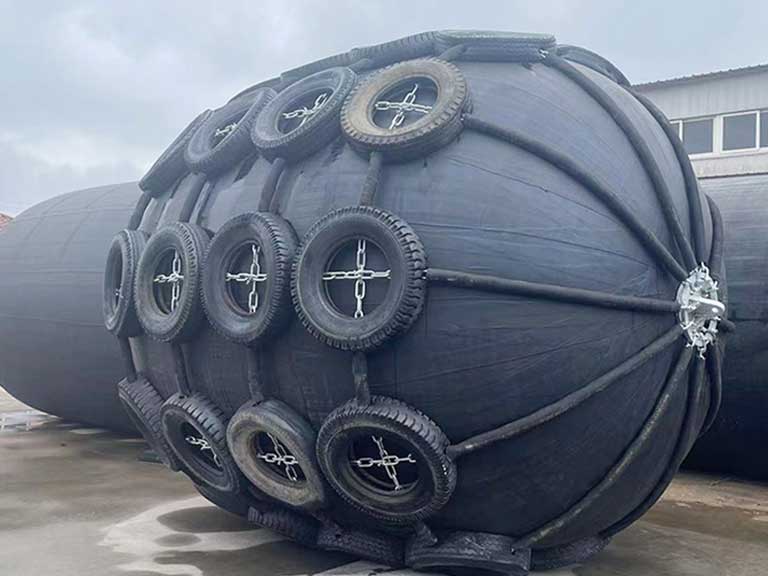
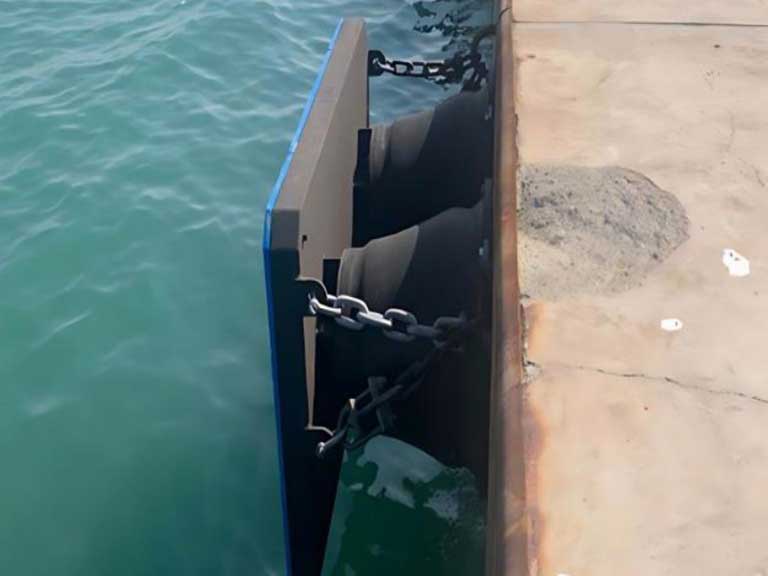
Because they have been exposed to both air and water. Rubber fenders, including Yokohama fenders, have unique challenges. When a ship docks, the compression cycles create mechanical stress, which accelerates the spread of existing cracks in rubber. To address these issues, Zhonghaihang Shipping Supply developed specific rubber compounds that do not break down readily.

Preventing Rubber Rot In Marine Applications
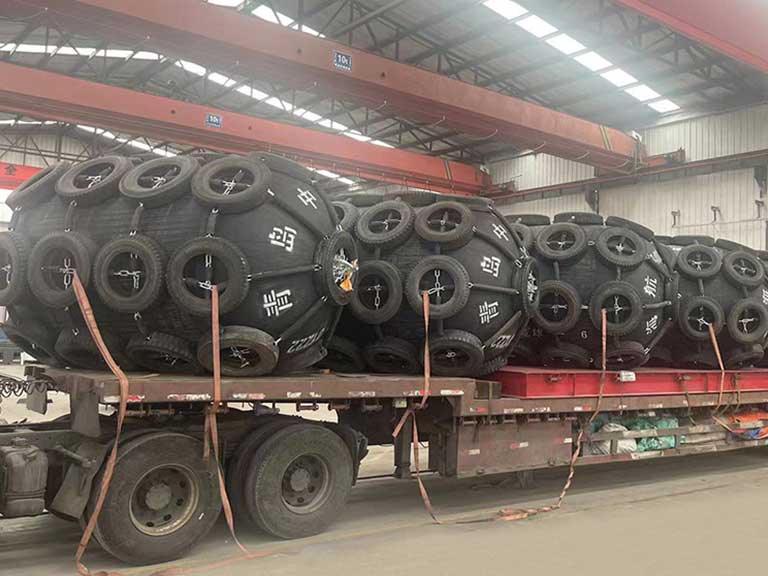
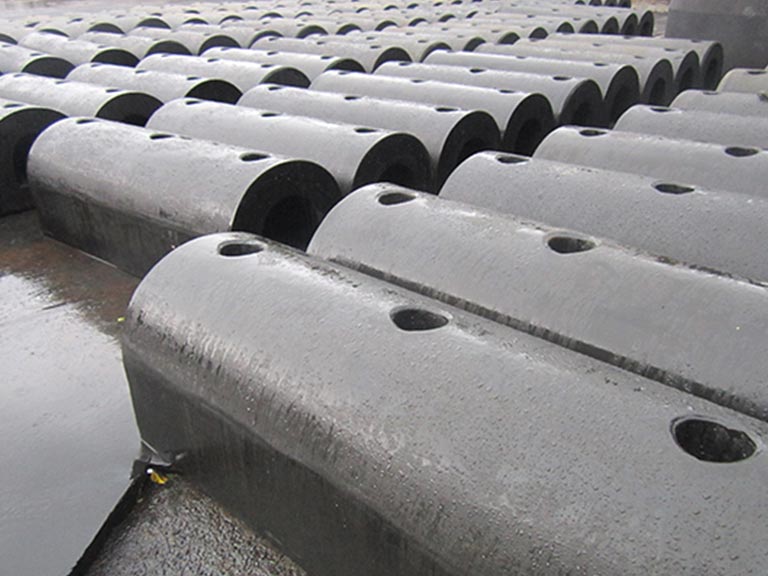
To ensure the longevity of marine rubber goods, it is critical to keep them from decomposing. Zhonghaihang Shipping Supply manufactures Yokohama fenders, marine rubber fenders, and marine airbags. We understand how vital it is to keep these products in good condition so they can last a long time.
Proper Storage Techniques
Rubber rot can be avoided through appropriate storage. Using UV-blocking coverings can help prevent damage and reduce exposure. Rubber tools should also be kept cold and dry, away from chemicals and direct sunlight.
Regular Maintenance
Regular maintenance is required to ensure that rubber fenders last as long as possible. This includes thoroughly cleaning the equipment and inspecting it regularly for signs of wear and tear. Consumer Reports states that avoiding the use of tire polish can help increase the life of rubber products. This is because it does not offer any further ozone or UV ray protection.
Protective Coatings and Treatments
Protective coatings and treatments can significantly extend the life of marine rubber items. These days, protective layers provide a barrier that absorbs UV rays and chemical interaction. Silicone-based compounds are particularly effective because they build a molecular bond with the rubber’s surface. Zinc oxide-based coatings can protect Yokohama fenders and other maritime rubber fenders against UV radiation and bacterial development.
Use these strategies to increase the life of your rubber fender. For example, keep it properly, clean it regularly, and apply a protective coating. Zhonghaihang Shipping Supply recommends a multi-layer security system for complete protection against all types of environmental threats.
When To Replace Degraded Rubber Marine Equipment
Knowing when to replace maritime equipment composed of worn-out rubber is critical to keeping operations safe and functioning efficiently. Zhonghaihang Shipping Supply knows the importance of replacing damaged rubber fenders. This avoids potential issues and extends your time at sea.
Safety Thresholds for Rubber Degradation
If you do not replace the worn-out rubber soon, it may pose serious safety issues. When the equipment has deep fractures and weakened structures, which indicate dry rot, it has reached a specific degree of safety. At this moment, the chances of equipment failure increase dramatically. Furthermore, this may threaten the safety of the vessel and her crew.
Replacement vs. Continued Use
A comprehensive cost-benefit analysis is required to determine whether to replace worn-out marine rubber equipment. At first glance, replacing anything may appear to be an expensive proposition. But it’s critical to consider what could go wrong if the equipment fails. This could involve vessel damage, environmental impact, or liability for injuries.
Conclusion
To avoid dry rot and maintain your maritime rubber fenders. It is advised that you conduct regular maintenance and inspections every few months. Implementing these measures will considerably increase the life of your pricey marine equipment. This ensures peak performance while minimizing unexpected failures.
Working with experienced manufacturers, such as Zhonghaihang Shipping Supply, ensures that you get high-quality products and technical support. This can pay off handsomely in terms of increased safety and less downtime.
FAQ
What Are The Main Causes Of Rubber Aging?
What Are The Signs Of Rubber Dry Rot?
How Often Should I Check Rubber Fenders For Signs Of Aging?
Can Regular Maintenance Prevent Rubber Dry Rot?
How Does UV Exposure Affect Rubber?
Talk to our team.
Share a few details about your project — vessel, port, or operation. We'll reply within 24 hours.