

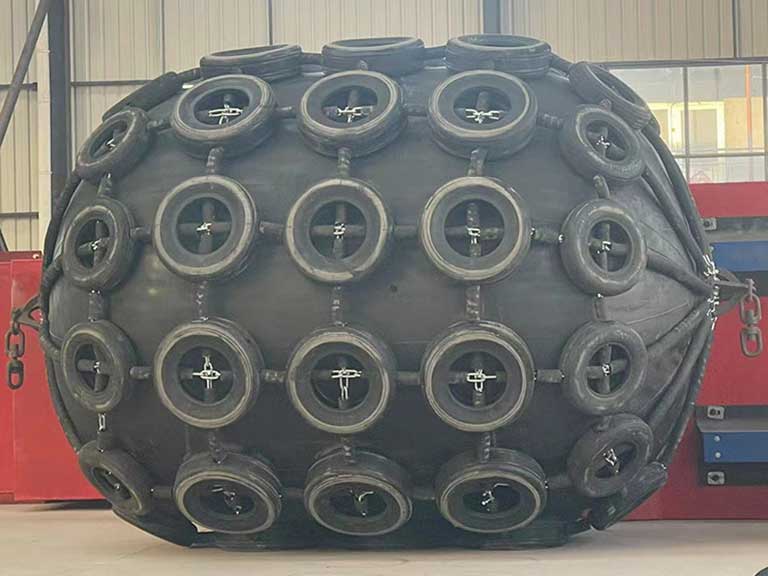
To properly move and store pneumatic fenders, you need to clean and deflate them first, especially if you’re moving them. To extend its service life, ensure the fender is fully inflated (approximately 30-50 kPa). Then, store it in a cool, dry, well-ventilated location. Additionally, avoid direct sunlight, extreme temperatures, ozone-generating equipment, or chemicals. When you transfer the deflated fender, roll it up, and wrap it in anything that will protect it. And tie it down so it doesn’t move or touch sharp things.
The Importance of Proper Fender Handling
Correct handling of floating pneumatic rubber fenders is crucial for vessel safety and operational efficiency. Mishandling can compromise structural integrity, leading to failures during critical operations like ship-to-ship (STS) transfers or docking in high winds.
For example, a case study of an STS operation revealed that a broken fender caused significant delays and repair costs. This underscores the necessity of secure connections and pre-use inspections. Understanding material properties—such as puncture-resistant rubber and UV coatings—is key to preventing damage. If left unaddressed, damage can reduce fender effectiveness by up to 20%.
Understanding Pneumatic Fenders
Pneumatic fenders, also known as Yokohama fenders, are cushioning devices designed to protect ships from damage. They’re designed to inflate and deflate quickly, offering great protection without taking up much space. They’re perfect for any vessel size, making them a great solution for preventing damage in various docking conditions.
Pneumatic fenders represent a big leap in marine protection technology. They absorb impacts better than solid fenders. Their air-filled chambers spread out impact forces, reducing damage to vessel hulls. Their flexibility lets them fit different hull shapes and dock configurations, making them versatile for many marine environments. To show the specs benefits and benefits of pneumatic fenders, let’s look at some key features:
| Feature | Description | Benefit |
| Air-filled Chambers | Distribute impact forces across a larger surface area | Reduces the risk of localized damage to vessel hulls |
| Puncture-Resistant Materials | Heavy-duty outer materials are designed to withstand harsh conditions | Enhances durability and reliability |
| Multiple Air Chambers | Provides redundant protection in case of partial deflation | Increases safety and reliability |
| UV-Resistant Coatings | Protects against ultraviolet light degradation | Maintains material integrity over time |
By understanding the structural design of pneumatic fenders, users can see their value in marine protection. This ensures they are used effectively.
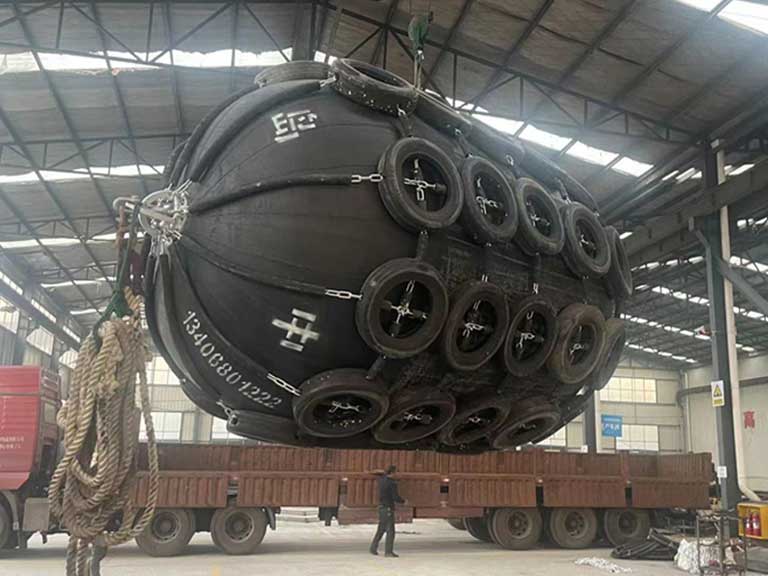
Pre-Transport Checklist for Inflatable Fenders
Before transport, conduct a thorough inspection to minimize risks:
| Inspection Aspect | Pre-Transport Check | Importance |
| Visual Inspection | Check for wear, damage | High |
| Inflation Pressure | Verify the manufacturer’s specs | High |
| Valve Functionality | Test for proper closure | High |
| Attachment Hardware | Inspect for corrosion, damage | Medium |
| Surface Cleanliness | Remove residues, deposits | Medium |
By following this checklist, you can prepare your pneumatic fenders for transport. This minimizes damage risk and keeps them effective for protecting your boat.
Deflation Techniques for Safe Transport
Deflating a pneumatic fender safely is key to transport. These fenders are quick to inflate and deflate. They offer great protection without taking up much space when not in use.
To deflate your fender safely and effectively:
- Place the fender on a clean surface to avoid punctures or abrasions.
- Use the manufacturer’s specified deflation valve setting to avoid damaging the valve mechanisms.
- Start deflation from the end opposite the valve and work toward the air release point.
- Apply gentle, distributed pressure to prevent creating stress points in the material.
- Monitor the deflation rate to prevent rapid decompression that could damage internal structures.
- After initial deflation, let the fender rest before final compression to let trapped air pockets migrate toward the valve.
- For fenders with multiple air chambers, follow the manufacturer’s specified deflation sequence.
- Verify complete deflation by checking for residual air pockets.
Follow the steps above, and you can ensure your inflatable fender is properly deflated for safe transport. This maintains its integrity and extends its lifespan.

Proper Folding Methods to Prevent Damage
Correct folding techniques are vital for inflatable fenders used on boats. Lay the fully deflated fender flat and follow a systematic folding pattern to avoid creases.
- Lay flat on a clean surface with the valve accessible.
- Fold in accordion style, maintaining even tension.
- For larger fenders (>2m diameter), use team assistance or mechanical aids.
This method aligns with best practices to preserve shape and prevent folds that could lead to failures.
Packaging Solutions for Transport
Proper packaging is key to ensuring pneumatic fenders arrive undamaged. We choose the right packaging materials and techniques to safeguard our products during transport.
For safe transport, use packaging materials designed for marine equipment. They should be water-resistant and have enough cushioning to absorb impacts. Custom-fitted transport bags with reinforced stitching and corrosion-resistant zippers are ideal.
- For extended transportation, consider using rigid container solutions with custom foam inserts. These immobilize the folded fender and prevent shifting during transit.
- Implementing moisture control measures within packaging is crucial. Use desiccant packets that are appropriately sized for the volume of the container and expected transit duration.
- Clear, weather-resistant labeling with handling instructions, orientation requirements, and contact information is essential for safe handling.
When shipping internationally, ensure packaging meets customs and quarantine requirements. Treat materials that might harbor marine organisms. Vacuum-sealing techniques for long-distance transport reduce volume and provide additional protection against moisture intrusion.
| Packaging Solution | Benefits | Application |
| Custom-fitted transport bags | Reinforced stitching, corrosion-resistant zippers | General transport |
| Rigid container solutions | Custom foam inserts for immobilization | Extended transportation |
| Vacuum-sealing techniques | Reduced volume, moisture protection | Long-distance transport |
We include documentation packets with product specs, handling instructions, and inspection records in waterproof containers. This ensures all necessary information is available. By using these packaging solutions, we protect our pneumatic fenders during transport. This keeps them in good condition when they arrive.
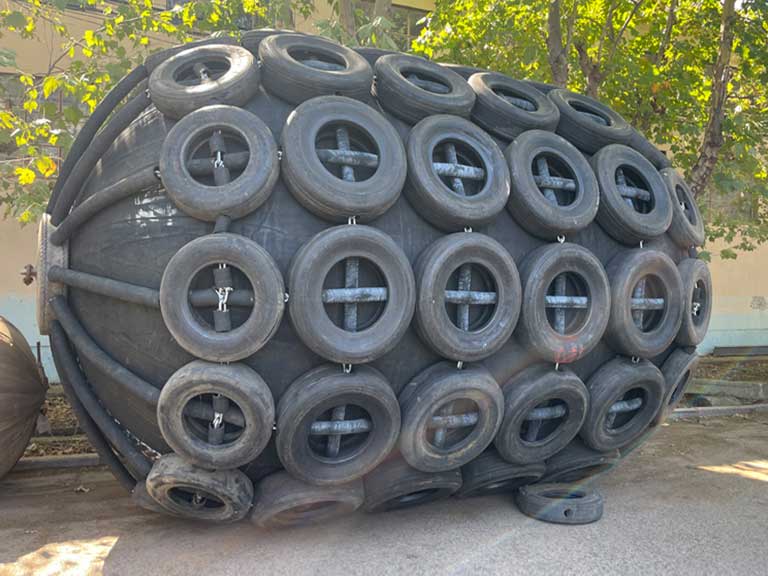
Vehicle Transportation Considerations
When moving inflatable fenders, we must think about the vehicle and the environment. It’s key to keep these marine assets safe during transport.
It’s important to secure inflatable fenders properly to avoid damage. We suggest using strong straps and padding to keep them in place.
Temperature changes can harm pneumatic fenders. Here are some precautions:
- Keep an eye on the temperature during transport, especially in extreme conditions.
- Use insulated covers to protect against extreme temperatures.
- Let the materials adjust to new temperatures before unpacking or inflating.
- Extreme cold can make materials less flexible, leading to damage.
- High temperatures can increase pressure in partially inflated sections, requiring special care.
- Direct sunlight can heat up the fenders, causing damage.
- Monitor the temperature for sensitive equipment or extreme transport to meet warranty conditions.
By following these tips, we can safely transport our pneumatic fenders and keep them in top shape.
How To Safely Transport And Store Inflatable Fenders
To keep inflatable fenders in top shape, follow the right steps for moving and storing them. These fenders are loved for their ease and effectiveness. Creating a detailed plan for moving and storing fenders is key. This plan should fit your Fender models and where you work.
Important steps include having special places for storage with the right conditions. Also, have clear steps for getting ready to store, like cleaning and deflating.
| Storage Consideration | Description | Benefit |
| Dedicated Storage Locations | Implement environmental controls for long-term storage | Prevents degradation |
| Pre-storage Preparation | Cleaning, inspection, and deflation | Ensures fender integrity |
| Documentation System | Track storage history, conditions, and maintenance | Enhances maintenance planning |
Teach people how to handle fenders correctly and use a system for storing them for a long time. Regular checks help figure out when they need fixing.
Think about what each fender type needs, like pneumatic fenders or foam-filled fenders. This way, you can store them better and make them last longer.
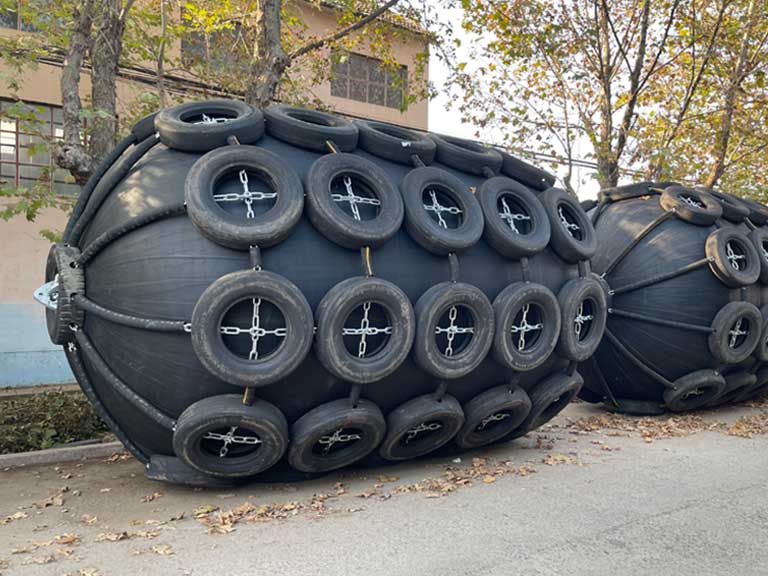
Ideal Storage Conditions
To ensure the lifespan of pneumatic fenders, store them in the best conditions. Keep the temperature between 50-70°F (10-21°C) to avoid damage from temperature changes.
It’s also important to control humidity. Aim for 40-60% relative humidity. In wet places, using dehumidifiers helps a lot.
Keep them away from UV light. Use dark covers or store them inside to stop damage from sunlight. Make sure the storage area is clean and smooth to avoid damage.
- Provide good air flow to stop moisture buildup.
- Store them high up if there’s a chance of flooding.
- Keep fenders apart to let air move around.
- Use storage that won’t squish smaller fenders.
By following these tips, we can make our pneumatic fenders last longer and stay in good shape for the next time we use them.
Long-Term Storage Best Practices
Storing pneumatic fenders for a long time needs careful planning. This is especially true for boat owners who use them for protection when traveling.
- Inflate them a little, 5-10%, to keep them from getting too stiff during storage.
- Move them around every few months to spread out the pressure.
- Keep track of how long they’ve been stored to know when they need service.
For big fenders, make custom racks to hold them right. Use things to stop rust and cover up hardware.
Preventing Mold and Mildew
To keep your inflatable fenders in good shape, it’s important to stop mold and mildew from growing. Clean and dry all fender surfaces well before storing them. Make sure to pay extra attention to any textured areas.
- Use marine-grade antimicrobial treatments that are safe for your fender materials.
- Keep air moving around your stored fenders with spacers or special racks.
- In humid areas, check your fenders often for mold or mildew.
- Use desiccant systems in storage containers and replace them as needed.
- Have a plan for cleaning fenders that show mold or mildew early.
- Use moisture-indicating cards in storage to check humidity levels.
- Boat owners in humid places should check and rotate their fenders more often.
By following these steps, you can greatly reduce mold and mildew damage to your fenders.
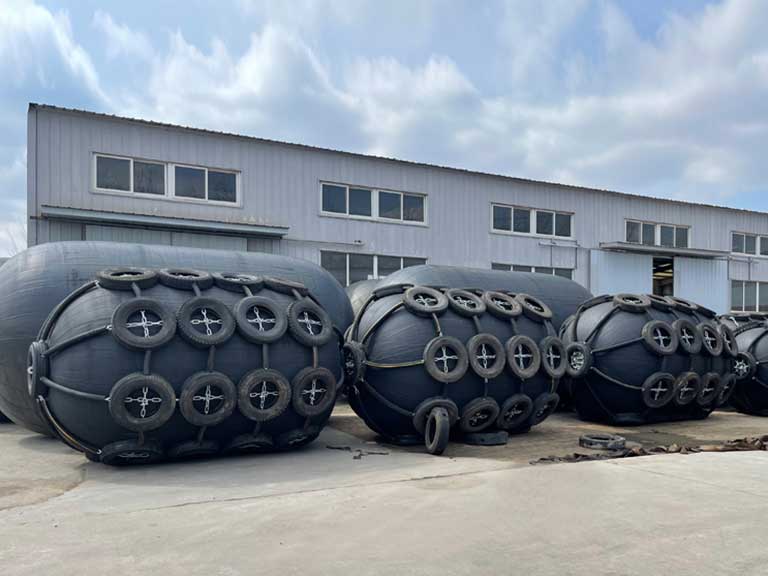
Maintenance During Storage Periods
Keeping your pneumatic fenders in good shape while they’re stored is very important. To do this, create a detailed maintenance plan.
This plan should include regular checks of all surfaces, seams, and attachments for any problems. Also, make sure to check the pressure of partially inflated fenders regularly. This keeps them at the right pressure for storage.
- Test the valves of your fenders now and then to make sure they work well.
- Use the right protectants on exposed parts and attachments, as recommended by the manufacturer.
- Keep a detailed log of all maintenance work done on your fenders. This log should go with the fender wherever it goes.
For boats that are only used in certain seasons, do a full inspection of your fenders during the off-season. This makes sure they’re ready to go when you need them.
Make sure to clean all stored fenders at least once a year. For very important or high-value fenders, consider getting a professional inspection after they’ve been stored for a long time.
Quick Inflation Tips for Next Use
To get your pneumatic fender ready for the next time you use it, follow these quick tips. Getting it ready right is important for keeping it in good shape.
Before you inflate your fender, check it for any damage that might have happened while it was stored. Look at all surfaces and seams for any signs of wear or damage.
- Let your fenders get used to the temperature before you inflate them, especially if they’ve been in a cool place and you’re going to use them in a hot place.
- Use the right equipment to inflate your pneumatic fenders, as recommended by the manufacturer. This helps avoid overinflating them.
- Inflate your fenders in stages, starting with 50% pressure and checking them before you fill them up to full pressure.
For those who inflate their fenders by hand, make sure to follow the manufacturer’s instructions. This helps avoid damaging the valves.
| Inflation Stage | Pressure Level | Inspection Requirement |
| Initial Inflation | 50% | Yes |
| Final Inflation | 100% | Yes |
By following these tips, you can make sure your pneumatic fender is properly inflated and ready to go. This gives your boat the protection it needs.
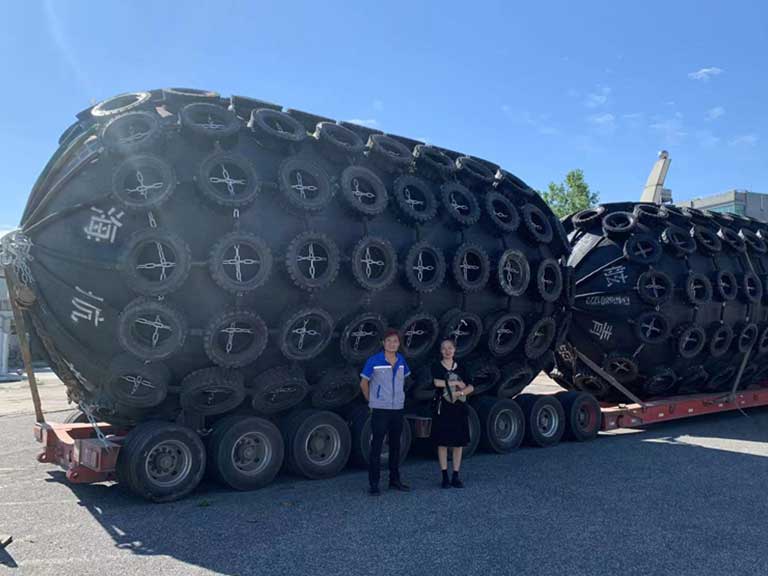
Conclusion
Storing and handling your pneumatic fenders the right way is key to keeping them in good shape. By following these guidelines, you can make your fenders last longer, no matter their size or design. Regular care and the right storage conditions are essential for keeping them durable.
At Zhonghaihang Shipping Supply, we’re proud of the quality of our inflatable fenders. We encourage you to follow these best practices to keep your fenders in top shape. Our reputation for quality, customer service, and fast delivery speaks for itself!
FAQ
What are the key factors to consider when shipping pneumatic boat fenders?
How do I inspect pneumatic fenders before transport?
What are the best practices for storing pneumatic fenders?
What are the benefits of using Zhonghaihang Shipping Supply’s pneumatic fenders?
How can I ensure the longevity of my inflatable fenders?
How do I properly inflate my inflatable fender?
Talk to our team.
Share a few details about your project — vessel, port, or operation. We'll reply within 24 hours.