


Choosing the right fender can mean the difference between a safe docking and a costly accident. Marine protection equipment is key to keeping vessels and structures safe during docking and undocking.
At Zhonghaihang Shipping Supply, we make a variety of marine equipment. This includes rubber fenders and foam filled fenders. Our pneumatic fenders use air’s compressibility and elasticity for consistent performance. They keep a large gap between the hull and the jetty or other vessels.
It’s important to know the differences between these fender types. This knowledge helps you make the best choice for your marine protection needs.
What Are Pneumatic Fenders?
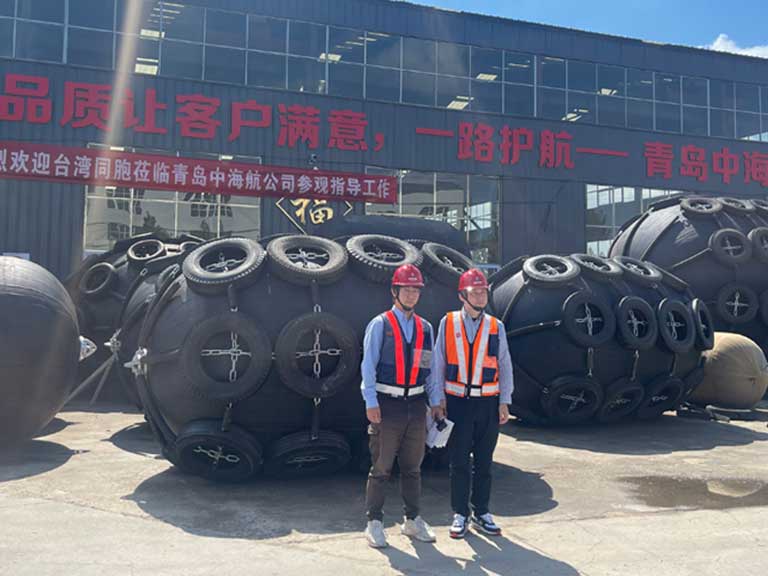
Pneumatic fenders are also known as Yokohama fenders. These fenders can absorb energy when ships interact with each other, minimizing damage. They are made of synthetic-cord-reinforced rubber sheets with compressed air. This design allows them to float and act as shock absorbers.
Construction and Design Features
Our pneumatic rubber fenders have multiple reinforcement layers. This maintains structural integrity under extreme forces. The internal air pressure enhances cushioning, allowing them to float naturally.
- Pneumatic fenders are constructed from synthetic-cord-reinforced rubber sheets with compressed air inside.
- They feature multiple reinforcement layers for enhanced durability.
- The design allows for consistent energy absorption during inclined berthing.
ISO17357 Standards and Compliance
We manufacture pneumatic rubber fenders to ISO17357 standards. This ensures compliance with material and performance requirements. Our fenders meet ISO17357-1:2014 standards, ensuring suitability for berthing and mooring.
- Manufactured in compliance with ISO 17357 standards.
- Tested for material properties and performance parameters.
- Dimensions and specifications adhere to international standards.
What Are Foam Filled Fenders?
So, what is foam filled fender? These fenders have a closed-cell foam core and a durable outer layer. They are effective in absorbing impact.
Construction and Materials
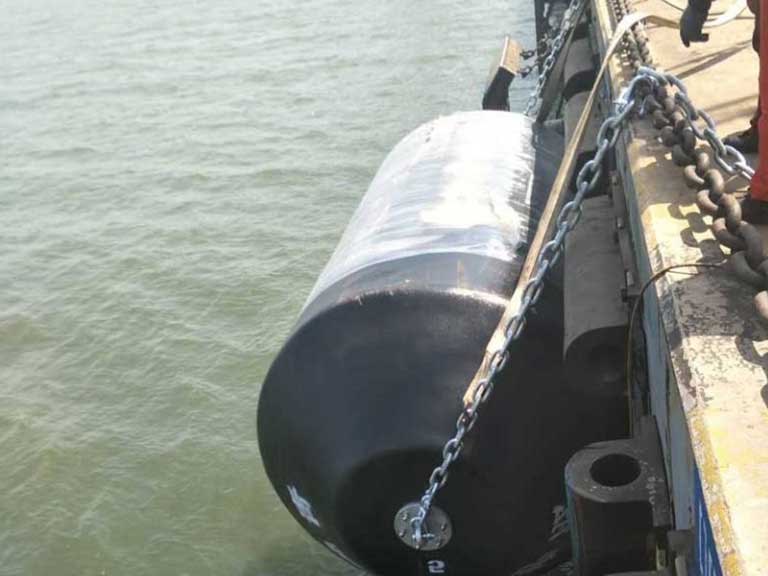
Foam-filled marine fenders use a core of closed-cell polyethylene foam. This core is solid yet flexible, making it great for absorbing impacts. The outer layer is a durable polyurethane elastomer skin. It resists scratches and damage from harsh marine environments.
The high-quality materials used ensure these fenders work well even if the outer skin is damaged.
Design Features and Reinforcement Options
Modern foam-filled fenders have various design features and reinforcement options. These include embedded chain networks, steel reinforcement plates, and external tire netting systems. These add extra protection in high-impact situations.
Our foam-filled fenders can be customized with different density foam layers. This meets specific energy absorption needs for various vessel sizes and berthing conditions.
Performance Characteristics Comparison
Pneumatic and foam fenders work differently. This is important when choosing the right fender for your needs.
- Energy Absorption Capabilities: Pneumatic fenders use air to absorb energy. Foam fenders use foam deformation. Studies show foam fenders can absorb up to 40% more energy, depending on quality.
- Reaction Force and Impact Distribution: Foam fenders have higher reaction forces for more resistance. Pneumatic fenders distribute energy more evenly when hit at an angle.
| Performance Characteristic | Pneumatic Fenders | Foam Fenders |
| Energy Absorption Mechanism | Air Compression | Deformation of Closed-cell Foam |
| Energy Absorption Capacity | Lower | Up to 40% Higher |
| Reaction Force | Lower for Same Compression | Higher for Same Compression |
In conclusion, picking between pneumatic and foam filled fenders depends on their performance. This includes how well they absorb energy and their reaction force.
Durability and Reliability Factors
Durability is key for fenders. It’s affected by how they’re used and where. We’ll look at what makes pneumatic and foam fenders durable and reliable.
- Vulnerability to Punctures and Damage: Pneumatic fenders can get punctures, leading to deflation. Foam-filled fenders, on the other hand, keep working even when damaged, but not as well. Our pneumatic rubber fenders have extra layers to help avoid punctures.
- Long-term Performance in Marine Environments: Foam-filled fenders stand up well to water, keeping their performance in tough marine settings. Both types face challenges like UV damage and compression set.
| Fender Type | Vulnerability to Damage | Long-term Performance |
| Pneumatic Rubber Fenders | Vulnerable to punctures and deflation | May experience rubber deterioration from UV exposure |
| Foam-Filled Fenders | Remain functional after damage, with reduced efficiency | Excellent resistance to water intrusion, with potential compression set issues |
Maintenance Requirements and Practical Considerations
Knowing how to care for pneumatic and foam-filled fenders is key for smooth berthing operations. Both types need little upkeep, but regular checks are vital for their longevity and performance.
- Maintenance Needs for Pneumatic Fenders: Pneumatic fenders need air pressure checks and should get air refills yearly. We suggest a regular inspection plan to spot any damage to the outer rubber layer.
- Maintenance Needs for Foam-Filled Fenders: Foam-filled fenders need only occasional visual checks for signs of wear or damage. Their design means they don’t need air pressure checks, making them simpler to maintain.
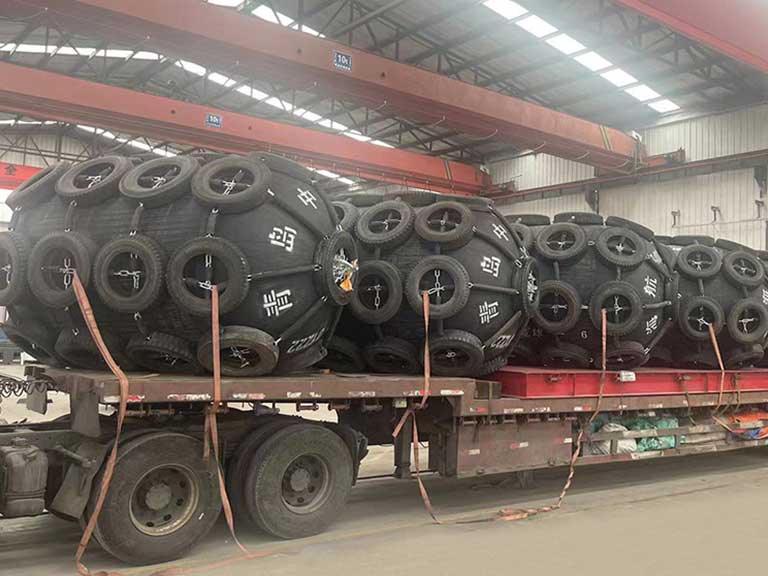
- Transportation and Storage Differences: Pneumatic fenders can be deflated for easier shipping, which is a big plus. For long-term storage, keep them partially inflated to protect the rubber. Foam-filled fenders can be stored without special care.
Performance in Different Marine Conditions
Pneumatic and foam filled fenders perform differently in various marine settings. Their effectiveness is key for safe and efficient maritime operations.
Ship-to-Ship Operations
In ship-to-ship operations, pneumatic rubber fenders excel. They float and maintain energy absorption during inclined compression up to 15 degrees. They’re perfect for lightering operations and Oil & Gas applications, like FSRU, where tidal variations are significant.
- Pneumatic fenders provide low and even hull pressure.
- They are suitable for use in extreme tidal conditions.
Port and Dock Applications
Foam filled fenders are preferred in permanent port and dock applications. They’re durable and require no maintenance. They perform well in areas with frequent berthing impacts, like cruise terminals and oil platforms.
- Foam fenders offer consistent resistance and durability.
- They are ideal for mooring applications with harsh weather conditions.

Cost Considerations and Long-Term Value
The cost of marine fenders includes the initial investment and long-term maintenance costs. We must consider these factors to make an informed decision.
- Initial Investment Comparison: The initial investment for quality pneumatic rubber fenders varies. Molded versions are more expensive than wrapped constructions, though both meet ISO17357 standards. Foam-filled marine fenders generally require a higher upfront investment than pneumatic options.
- Lifetime Cost Analysis: When analyzing the lifetime cost, we consider purchase price, installation costs, maintenance requirements, and expected service life. Pneumatic rubber fenders need periodic pressure checks, while foam-filled products require little maintenance. The production method significantly impacts pricing and long-term value.
Installation and Handling Differences
Understanding the differences in installation and handling between pneumatic and foam-filled fenders is crucial for maritime professionals. The deployment, storage, and maintenance of these fenders can greatly affect their performance and longevity.
- Installation Methods: Pneumatic fenders are lightweight, making them easy to deploy with guy-ropes or chains. This simplifies the process of positioning and securing them. Their flexibility is ideal for operations that require frequent repositioning, such as ship-to-ship transfers.
- Storage and Transportation: Pneumatic rubber fenders are shipped in vacuum-packed configurations, saving on transportation costs. In contrast, foam-filled fenders are larger and heavier, needing dedicated storage space. They often require cranes or heavy lifting equipment for handling.
Selecting the Right Fender for Your Needs
Choosing the right fender for marine operations involves several key factors. We recommend evaluating these factors carefully to ensure safe and efficient berthing.
- Vessel Size and Type Considerations: The size and type of vessel are crucial in determining the right fender. Larger commercial vessels need higher energy absorption capacity due to their size. For ship-to-ship transfers, especially in the oil and gas sector, pneumatic rubber fenders are often the best choice.
- Environmental Factors: Environmental conditions, including tidal variations, wave conditions, and current strength, significantly impact fender selection. Extreme tidal ranges favor pneumatic rubber solutions that adjust naturally with water levels.
- Operational Requirements: Operational requirements, such as deployment frequency and maintenance capabilities, influence the decision between foam-filled and pneumatic fenders. Foam-filled fenders are often more cost-effective for permanent installations at ports and terminals.

Conclusion
The choice between pneumatic and foam-filled fenders depends on specific operational needs. As a leading manufacturer, we recommend considering vessel size, environmental conditions, and maintenance requirements. We invite you to consult with our experienced team for personalized recommendations. Choosing the right fender ensures optimal marine protection and longevity.
FAQ
What are the main differences between Pneumatic and Foam-Filled Fenders in terms of energy absorption?
How do I choose between Pneumatic and Foam-Filled Fenders for my marine application?
Are Foam-Filled Fenders more resistant to damage than Pneumatic Fenders?
What are the maintenance requirements for Yokohama Pneumatic Fenders?
Can Foam-Filled Fenders be used in extreme marine environments?
How do the costs of Pneumatic and Foam-Filled Fenders compare?
Talk to our team.
Share a few details about your project — vessel, port, or operation. We'll reply within 24 hours.