

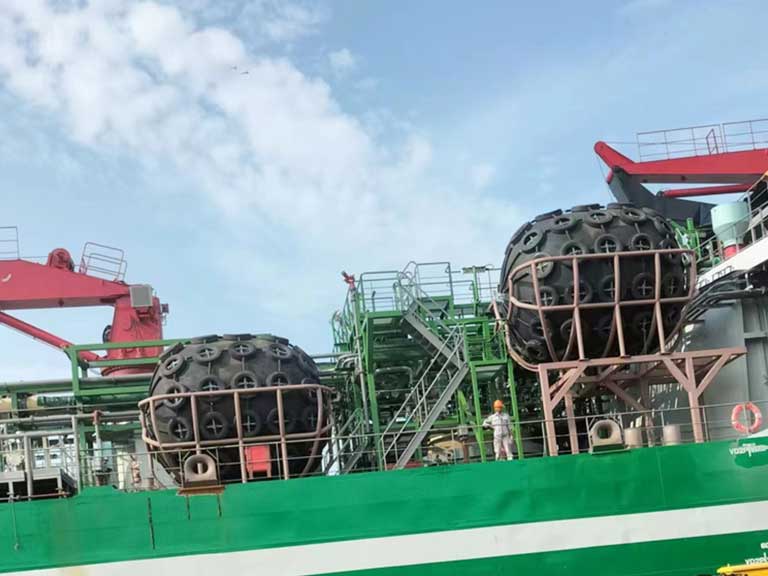
Pneumatic fenders protect vessels during docking. These marine fenders can prevent accidents. They are crucial for safe docking. Therefore, knowing the lifespan of pneumatic fenders is key for planning and budgeting in maritime operations.
Pneumatic fender is made from top-quality rubber. They are built to last and handle pressure well. But their lifespan depends on material quality, environment, and how they’re used. This guide will cover their average lifespan and what affects it.
Understanding Pneumatic Fenders
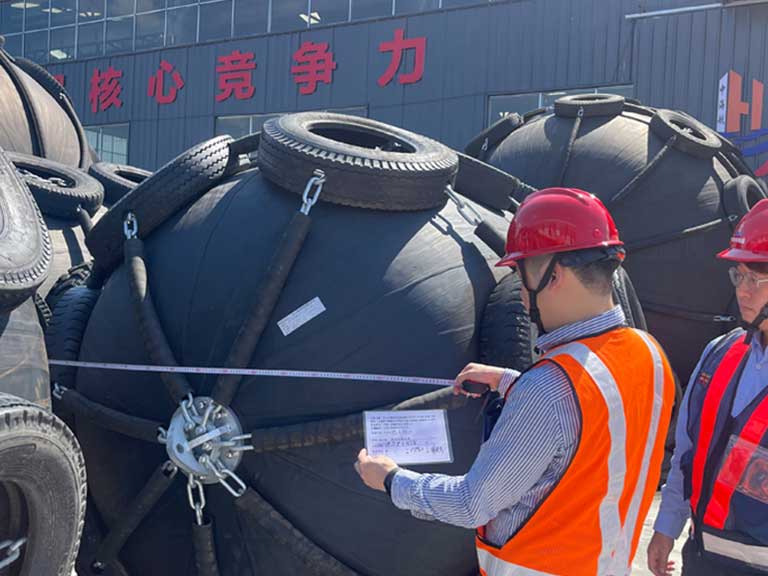
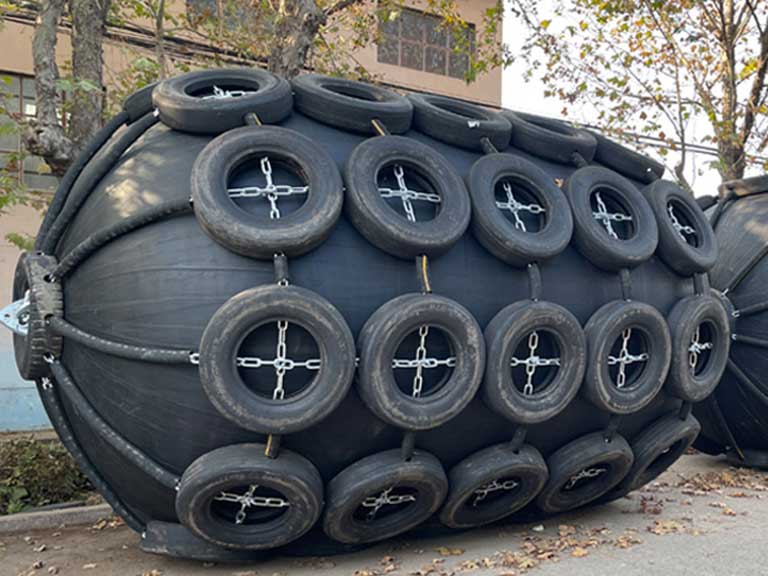
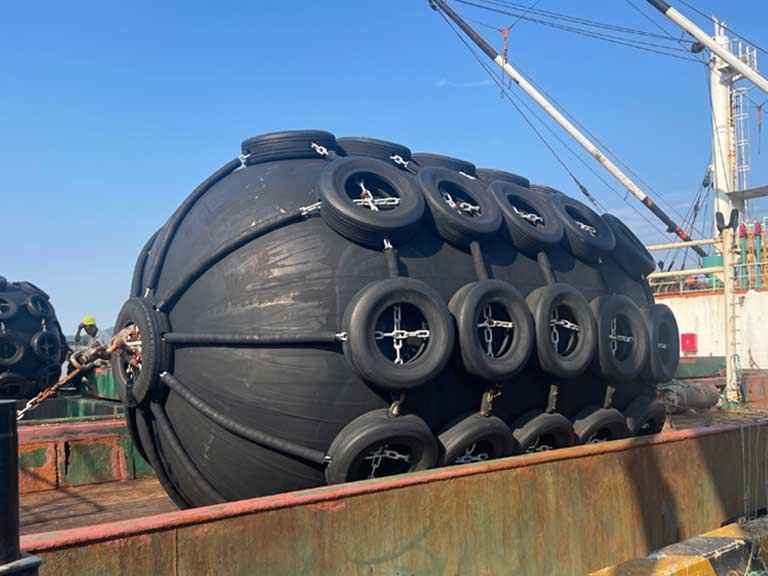
Pneumatic fenders are inflatable rubber devices filled with compressed air. It is typically at an initial pressure of 50 kPa or 80 kPa, depending on the grade. They are reinforced with synthetic tire cords and often encased in chain-tire nets for added protection. Compliant fenders adhere to ISO 17357-1:2014, ensuring consistent energy absorption and reaction force.
Pneumatic fenders work by compressing air in a rubber material. When a vessel contacts the fender, the air inside compresses, absorbing kinetic energy and distributing force evenly. The fender’s buoyancy allows it to float and adapt to tidal changes, while its shape (often cylindrical with hemispherical ends) ensures performance at various angles. After impact, the fender returns to its original form. Pressure can be adjusted based on vessel size and environmental conditions for optimal performance.

The Average Lifespan Of Pneumatic Fenders
The lifespan of pneumatic fenders varies significantly, typically ranging from 5 to 15 years, depending on usage, maintenance, and environmental exposure. In high-usage scenarios such as ship-to-ship (STS) transfers, industry standards recommend decommissioning after 15 years to mitigate risks associated with reduced strength.
This recommendation is based on blast testing results conducted on decommissioned fenders. These tests demonstrate that fenders degrade over time. For less demanding applications, such as semi-permanent port berthing, well-maintained fenders may last up to 20 years. Though this is less common in STS operations.
In addition, variations arise from factors like material quality and operational intensity. For instance, fenders in busy ports with frequent berthing may wear out in 3-5 years if not properly maintained. And those in controlled environments can exceed 12 years. Regular performance tracking, including energy absorption tests, helps predict replacement needs.
Key Factors Affecting Pneumatic Fender Durability
Durability is influenced by multiple interrelated elements. High-quality materials and compliance with standards like ISO 17357-1:2014 are foundational.
Material Quality and Construction
- Rubber and Reinforcement: Use of 100% synthetic tire cords (e.g., polyester) enhances tensile strength and longevity, outperforming chafer fabric or recycled rubber compounds. Poor adhesion between layers or air bubbles from substandard manufacturing can lead to early failure.
- Manufacturing Method: Wrapped construction provides even strength and better air-tightness compared to molded methods, which risk contamination and uneven curing.
- End Fittings and Nets: Solid, bonded flanges and robust chain-tire nets prevent tangling and projectile hazards during bursts.
Environmental Conditions
Environmental exposure accelerates degradation:
| Environmental Factor | Effect on Fenders | Mitigation Strategy |
|---|---|---|
| Saltwater Exposure | Corrosion and accelerated rubber breakdown | Regular rinsing and protective coatings |
| UV Radiation | Surface cracking and loss of elasticity | UV-resistant formulations and storage away from sunlight |
| Temperature Extremes | Brittleness in cold; softening in heat | Select materials rated for operating range (e.g., -20°C to 50°C) |
| Chemical Spills | Material degradation | Immediate rinsing and chemical-resistant compounds |
For example, nylon reinforcements degrade in moist environments, reducing strength by up to 50% over time, whereas polyester remains stable.
Usage Frequency and Intensity
Frequent or high-impact use shortens lifespan:
- Berthing Operations: High-speed or angled impacts cause abrasion. Larger vessels exert greater forces.
- Ship-to-Ship Transfers: Dynamic movements in waves generate complex stresses. For instance, during reverse transfer operations, fenders must prevent hull contact.
In offshore STS operations, fenders subjected to extreme tides and weather showed 20-30% faster wear, necessitating enhanced nets and monitoring.
Signs of Pneumatic Fender Deterioration
It’s important to check pneumatic fenders often to avoid damage and keep the sea safe. These fenders are key in marine work. Any damage can cause big safety problems and stop work.
- Surface Damage Indicators: Look for cuts, scratches, or cracks on pneumatic fenders. Regular checks are needed. Damage can make the fender weak and cause bigger problems if not fixed.
- Pressure Retention Issues: Problems with holding pressure mean the fender might be damaged. If it can’t hold air, it might need fixing or replacing. This is a sign of trouble that needs quick attention.
- Structural Integrity Concerns: Signs like delamination, bending, or bulges mean serious damage. These problems can make the fender unsafe and not work properly. Fixing these issues quickly is key to safety.
Essential Maintenance Practices for Extended Lifespan
A structured maintenance program can extend lifespan by 20-50%. Follow ISO 17357-1:2014 guidelines for testing and inspections.
Recommended Maintenance Schedule
In addition, you should know how to maintain pneumatic fenders. Having a regular check-up schedule is crucial. We suggest doing inspections often to catch problems early.
| Activity | Frequency | Key Checks/Records |
|---|---|---|
| Visual Inspection | Daily | Damage, inflation, leaks |
| Detailed Inspection | Monthly | Pressure, valves, hidden wear |
| Comprehensive Assessment | Annually | Pressure tests, material integrity, and photographic logs |
Maintain records of all activities, including purchase specs and usage history, to inform decisions.
Proper Cleaning Techniques
Cleaning pneumatic fenders properly is important. It keeps them working well and makes them last longer. Cleaning gets rid of dirt and keeps the fender’s surface in good shape. It’s important to use mild cleaners to protect the fender’s surface. This stops the rubber from getting damaged.
For tough dirt, a low-pressure washer works well. Start with a gentle rinse to remove loose stuff. Clean fender surfaces need soft brushes or pads to avoid scratches. When using a pressure washer, keep the pressure low (below 1500 PSI) and the nozzle 12 inches away from the fender surface or surface. Rinse salt residue promptly and air-dry naturally to prevent cracking.
Maintaining Optimal Pressure Levels
Keeping the right pressure is key for pneumatic fenders to work well. The best pressure range for pneumatic fenders is usually between 50-80 kPa. Always check the manufacturer’s guidelines for the correct pressure.
To keep the pressure right, follow these steps:
- Use a calibrated pressure gauge for low-pressure (0-100 kPa).
- Let the fenders adjust to the temperature for at least 2 hours before checking.
- Connect the pressure gauge to the inflation valve with the right adapter.
Protecting from Environmental Damage
It’s important to protect pneumatic fenders from the environment. This helps them last longer and work better. We need to think about how the environment can affect them.
- UV Protection Strategies: UV rays can damage the rubber. We use UV-resistant coatings or treatments to protect them from sunlight.
- Chemical Exposure Prevention: Chemical damage is a big problem for pneumatic fenders. We suggest using special care during fueling and maintenance to avoid harsh chemicals. If there’s a spill, rinse with water and use neutralizers right away.
Proper Storage Practices
Keeping pneumatic fenders in good shape when not in use is key. The right storage keeps them working well.
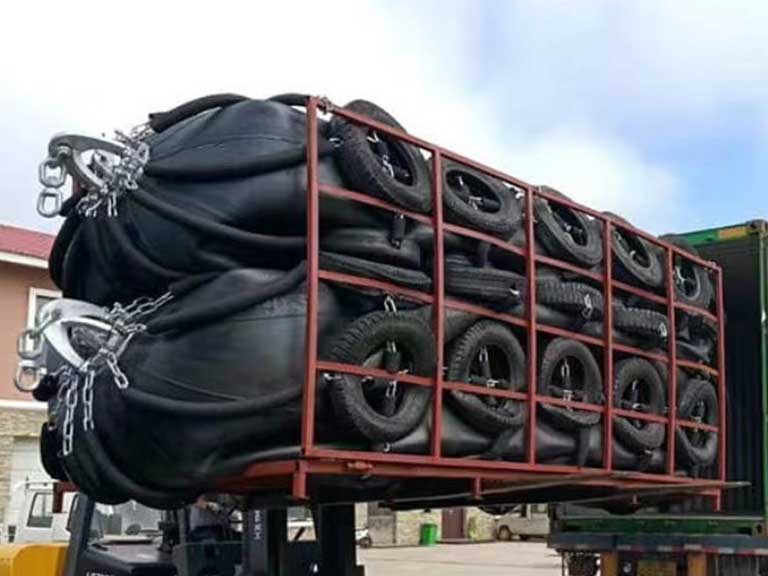
- Ideal Storage Conditions: Keep fenders in a cool, dry spot, away from sunlight and extreme weather. The area should be free from sharp things and chemicals that harm rubber.
- Preparation for Long-Term Storage: Before storing, clean the fenders well to remove salt and dirt. Lower the pressure to 30-50% of what it should be. Use protective coatings to stop the rubber from getting worse.
Conclusion
Keeping pneumatic fenders in good shape is crucial. With the right care, they can last 10-15 years. Regular checks and cleaning are key.
Understanding what affects your fenders’ lifespan helps you maintain them better. This way, you can plan for replacements when needed.
At Zhonghaihang Shipping Supply, we provide top-notch fender products and expert advice. Our reputation for quality, service, and fast delivery is unmatched!
FAQ
What is the average lifespan of pneumatic fenders?
What are the signs of pneumatic fender deterioration?
How do I properly clean my pneumatic fenders?
What is the recommended pressure range for pneumatic fenders?
How do environmental conditions affect pneumatic fender durability?
What are the benefits of using high-quality pneumatic fenders?
How do I store pneumatic fenders when not in use?
Talk to our team.
Share a few details about your project — vessel, port, or operation. We'll reply within 24 hours.