

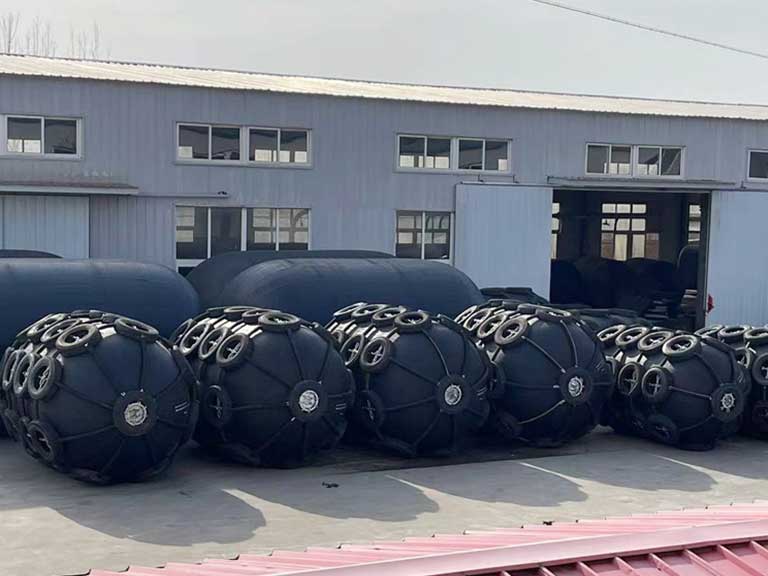
Do you know how important it is to maintain your pneumatic fenders for safety at sea? Keeping pneumatic fenders in good condition can greatly extend their service life and better protect the ship. Therefore, regular maintenance is the key to its optimal performance and prolonged service life.
Yokohama Rubber fender absorb impact energy and prevent damage to vessels and docks. Zhonghaihang Shipping Supply has extensive expertise in marine equipment, including pneumatic fenders and rubber fenders. In this guide, we will show you how to maintain pneumatic fenders. This will help them work reliably and last longer.
Understanding Pneumatic Fenders
Pneumatic fenders are high-pressure floating devices made from reinforced rubber layers filled with compressed air. They comply with standards such as ISO 17357-1:2014, which specifies material properties and performance requirements. Such as outer rubber for abrasion resistance and inner rubber for airtightness. Key features include:
| Feature | Description | Benefits |
|---|---|---|
| Compressed Air Core | Filled with air at initial pressures of 50 kPa (Pneumatic 50) or 80 kPa (Pneumatic 80). | Provides effective energy absorption and low reaction forces during compression. |
| Rubber Compound | High-grade synthetic rubber with synthetic-tyre-cord reinforcement layers. | Resists UV radiation, ozone, saltwater corrosion, and mechanical wear; must meet tensile and tear strength per ISO standards. |
| Protective Netting | Often includes chain-tire-net (CTN) or tire mesh for added durability. | Shields against friction, punctures, and external damage during operations. |
Regular maintenance of pneumatic fenders is crucial for their performance and longevity. Well-maintained fenders absorb energy consistently, ensuring predictable performance during docking. Their air-filled design makes them prone to damage, requiring specific care. Correct maintenance extends their life and ensures reliable protection for vessels and ports.
Neglecting maintenance can lead to issues like air leaks, reduced energy absorption, or premature failure. For instance, in a 2023 port incident reported by industry sources, improper pressure monitoring caused a fender to deflate during berthing. This resulted in minor hull damage estimated at $50,000. Regular upkeep prevents such scenarios and ensures compliance with safety protocols.
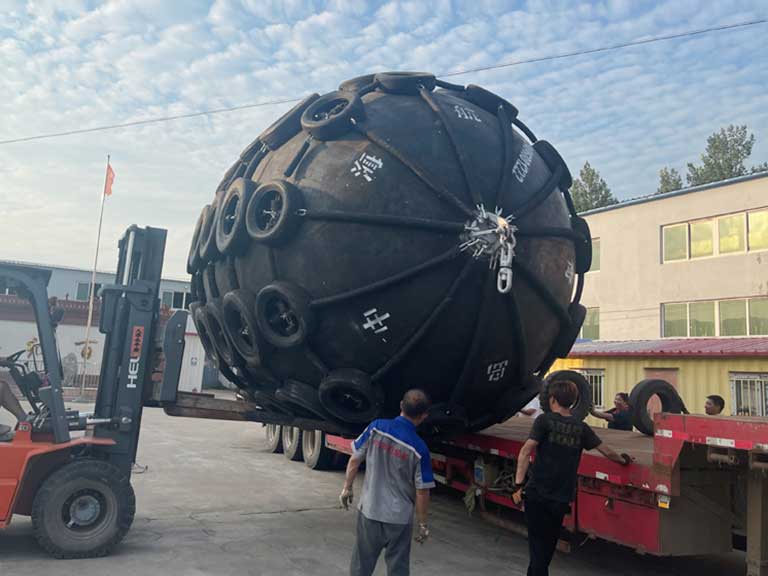
Regular Inspection Procedures for Pneumatic Fenders
Proactive inspections are essential to identify early signs of wear. According to ISO 17357-1:2014 and manufacturer guidelines, fenders must undergo prototype testing every 10 years and routine checks to maintain certification. Adjust frequencies based on usage: high-traffic ports may require more frequent assessments.
Recommended Inspection Schedule
- Air Pressure and Valves: Every 3 months or after 3-4 berthings. Daily or pre-use for ship-to-ship operations.
- Visual Surface Checks: Every 6 months or after abnormal events (e.g., heavy impacts).
- Accessories (e.g., CTN, Shackles): Every 12 months.
- Detailed Body Inspection: Every 18 months.
- Safety Valve: Every 24 months or if pressure release occurs.
Document all inspections with photos, measurements, and logs to track trends. Use a checklist template (e.g., available from PIANC resources) for consistency.
Surface Condition Assessment
Examine the entire fender for:
- Cracks, cuts, abrasions, pitting, or ozone degradation (small surface cracks from UV exposure).
- Damage to reinforcement cords or inner layers.
- Marine growth, oil spills, or corrosion on metal fittings.
Focus on high-contact areas. For pneumatic types, airtightness is evaluated by measuring pressure and temperature. Additionally, the aging grade should be calculated using the formula in the maintenance guide (e.g., graded from I to VI based on the score). If damage exceeds 30% of the surface or exposes cords, prioritize repairs.
Checking Accessories and Fittings
Inspect chains, shackles, tire nets, and valves for wear, corrosion, or looseness. Test safety valves (required for fenders ≥2,500 mm diameter) to ensure they release at set pressures (e.g., 1.8 kgf/cm² for 50 kPa models). Apply anti-corrosion coatings as needed and check for galvanic issues at connections.

Essential Practices to Maintain Pneumatic Fenders
Keeping pneumatic fenders in good shape is key. It helps them last longer and work better when docking. We’ll look at how to keep them in top condition.
Proper Cleaning Techniques
Cleaning your fenders regularly is a must. Use mild soap or non-corrosive cleaners that won’t harm the rubber. A three-step clean is best: rinse with water, scrub gently, and rinse again to remove all soap.
- Use mild soap water or non-corrosive cleaning agents to clean the fender surface.
- Avoid harsh chemicals, high-pressure water systems, or petroleum-based solvents that can damage the rubber compound.
- Implement a regular cleaning schedule to prevent the buildup of debris and contaminants.
Frequency: After each use in contaminated waters or quarterly. For safety valves, use rust removers like WD-40 every 2 years. This maintains material integrity per ISO rubber property requirements.
Managing Internal Pressure
It’s important to keep the internal pressure right. This helps your fenders absorb energy well and last longer. Use a pressure gauge to check the pressure often. The pressure of the Yokohama fender should be between 50 and 80 kPa.
- Adjust pressure levels seasonally to account for temperature variations.
- Implement a pressure monitoring schedule that increases in frequency during extreme weather conditions or when fenders are subjected to unusually heavy use.
- Ensure that the pressure gauge is calibrated regularly to maintain accuracy.
Repair and Replacement Guidelines
Fixing or replacing fenders on time is crucial. For small damages, use special materials and adhesives for marine rubber. Make sure the area is clean and dry before applying any patches.
- Repair small damages promptly using appropriate patching materials.
- For cracks less than 5 cm, use specialized rubber repair kits according to the manufacturer’s specifications.
- Replace pneumatic fenders when damage extends beyond 30% of the surface area or when repairs would cost more than 50% of the replacement value.
By following these maintenance tips, you can make your pneumatic fenders last longer. Keeping records of maintenance helps you see patterns and plan better.

Proper Storage and Handling Methods
Proper storage and handling are key to keeping pneumatic fenders in good shape. We stress the need to keep these tools in top condition.
- Ideal Storage Conditions: Store fenders in a cool, dry, and well-ventilated area. Keep them away from sunlight and extreme temperatures. The storage area should not have ozone-generating equipment, petroleum products, or corrosive chemicals. Store them at about 20- 30 kPa to prevent rubber surfaces from sticking together.
- Safe Handling Practices: Use wide slings or special frames to lift fenders safely. Train staff on how to deploy them without damage. Use guide ropes to control movement and prevent damage during deployment.
Conclusion
For reliable pneumatic fenders, a good maintenance routine is essential. At Zhonghaihang Shipping Supply, we’ve shown the importance of regular checks, cleaning, pressure control, and proper storage.
By following our guidelines, you can extend your fenders’ life. This ensures they work well and safely during docking. We offer quality products and expert advice to help you maintain them.
Choose Zhonghaihang Shipping Supply for all your marine protection needs. We prioritize quality and service.
FAQ
What is the recommended inspection schedule for rubber fenders used in marine operations?
How do I assess the surface condition of my pneumatic fender?
What is the proper way to clean my rubber fender?
How do I manage the internal pressure of my pneumatic fender?
What are the ideal storage conditions for pneumatic fenders when not in use?
How can I ensure safe handling practices for my pneumatic fender?
Talk to our team.
Share a few details about your project — vessel, port, or operation. We'll reply within 24 hours.