


Maritime operations are always changing. The need for safe protection for ships and docks is key. Zhonghaihang Shipping Supply makes a variety of marine gear, like different types of pneumatic fenders, to meet these needs.
So, why are these fenders so important for safety when ships dock? They work as shock absorbers. This helps prevent damage to ships and cargo.
Our yokohama fender uses strong rubber and synthetic cords. They float on water, offering strong protection against collisions. By looking into their benefits, we see why they’re a top choice for shipyards and harbor owners everywhere.
Understanding Pneumatic Fenders and How They Work
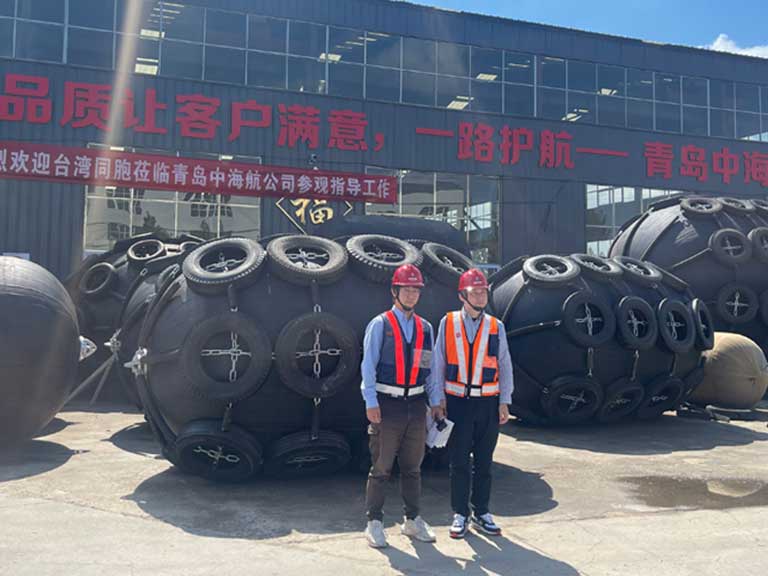
What is a pneumatic fender? It is an air-filled buoyancy device made of tough rubber. They’re made to last in harsh marine conditions. Unlike regular fenders, pneumatic ones are more resilient and can absorb more energy.
When a ship hits a pneumatic fender, the air inside compresses. This absorbs the impact’s energy. Understanding how pneumatic fenders work is key to safeguarding marine assets. These special devices protect vessels and port structures from damage during docking.
At Zhonghaihang Shipping Supply, we make our fenders with top-quality materials for the best performance and life span.

Types of Pneumatic Fenders
The maritime world uses different pneumatic fenders for various docking needs and conditions. These fenders are vital for protecting ships and docking areas during berthing.
- Chain-Tire Net (CTN) Pneumatic Fenders: CTN fenders have tires and chains in both directions. This design adds extra protection, making them great for tough marine settings.
- Sling Type Pneumatic Fenders: Sling type fenders are like CTN ones but use wire strands instead of chains. This gives options for different docking situations, offering flexibility.
- Low-Pressure Pneumatic Fenders: Low-pressure fenders apply little pressure to the hull. They have a big contact surface and absorb energy well. Their light and easy-to-move design is perfect for many maritime uses.
- Hydro-Pneumatic Fenders: Hydro-pneumatic fenders offer adjustable draft and low hull pressure. They’re designed to protect sensitive ship parts, meeting specific needs in the maritime world.
| Type of Pneumatic Fender | Key Features | Applications |
| Chain-Tire Net (CTN) | Network of tires connected by chains | Harsh marine environments |
| Sling Type | Meshed wire strands for suspension | Various docking scenarios |
| Low-Pressure | Minimal hull pressure, maximum contact surface | Lightweight, portable applications |
| Hydro-Pneumatic | Variable draft, low hull pressure | Sensitive vessel components protection |

Key Benefits Of Pneumatic Fenders
Pneumatic fenders offer a number of important advantages in marine operations. The most notable of these is their ability to absorb impact forces, effectively protecting ships and infrastructure. They are intended to compress upon impact, distributing the force and lowering the danger of damage to both the ship and the pier.
These Yokohama fenders have excellent buoyancy. This allows them to float and remain effective even when the water level changes. Here’s a more detailed look at the advantages:
- Superior Energy Absorption: Pneumatic fenders are excellent at absorbing kinetic energy generated by impacts during berthing. This significantly reduces the impact force transmitted to ships and structures.
- Reduced Hull and Infrastructure Damage: Yokohama fenders can effectively absorb and disperse impact forces. This reduces damage to the hull and infrastructure.
- Adaptability: Its flexible design allows it to adapt to different ship sizes and berthing conditions. This makes it suitable for a wide range of applications.
- High Buoyancy and Stability: Pneumatic fenders maintain high buoyancy and stability even during tidal changes and waves. They provide consistent performance even in dynamic marine environments.
- Low Maintenance: Pneumatic fenders require only air pressure checks and periodic inspections. This makes them less maintenance-intensive than other fender kinds.
- Cost-Effectiveness: Pneumatic fenders have a long service life and low maintenance costs. Therefore, this can save long-term costs for shipowners and operators.
- Easy to Deploy and Handle: Pneumatic fenders are lightweight and easy to transport. This makes them ideal for maritime operations.
- Superior Performance During Inclined Berthing: Pneumatic rubber fenders keep their energy absorption high, even when docking at angles. Unlike solid fenders, which lose performance when compressed, pneumatic fenders stay reliable.
- Minimal Performance Deterioration Over Time: Pneumatic fenders keep their performance steady over time. Their air-filled design and elastic materials resist aging and fatigue. They work well even in extreme cold, as low as -50 degrees Celsius.
- Environmental Advantages: Pneumatic rubber fenders help reduce emissions from ships. They make mooring and berthing safer, which lowers the risk of accidents and pollution in the water.

Key Applications of Pneumatic Fenders
We utilize pneumatic fenders in diverse maritime settings due to their adaptability and effectiveness. Its portability and versatility make it the ideal solution for a wide range of applications. For example, from temporary mooring to complex offshore and maritime applications.
- Ship-to-Ship Operations: In ship-to-ship operations, pneumatic fenders play a crucial role. They can effectively prevent damage during cargo transfer or when ships are moored side by side.
- Port and Harbor Protection: Pneumatic fenders are also used in ports and harbors to protect both vessels and docking infrastructure. They are particularly useful in areas with high traffic or where docking conditions are challenging, providing a reliable barrier against collisions.
- Offshore Platforms: Offshore platforms, including drilling rigs and production platforms, benefit significantly from the use of pneumatic fenders. These fenders protect both the platform and supply vessels during personnel and cargo transfers, ensuring safe operations.
Conclusion
Pneumatic rubber fenders are a big step forward in protecting vessels. These advantages are driving pneumatic fender market growth across commercial shipping, offshore energy, and port infrastructure. Zhonghaihang Shipping Supply makes top-quality pneumatic rubber fenders. They last long and work well.
These fenders are key to keeping vessels and ports safe. They cut down damage risks during docking. They’re also safe in bad weather and good for the environment.
Choosing Zhonghaihang Shipping Supply pneumatic rubber fenders means less upkeep and safer operations. We encourage shipyards and harbor owners to look at our options for protecting their vessels.
FAQ
What makes pneumatic rubber fenders suitable for berthing operations in harsh weather?
How do I choose the right type of fender for my vessel or mooring operation?
What are the advantages of using pneumatic fenders over foam-filled fenders?
How do pneumatic fenders contribute to environmental safety during mooring operations?
What maintenance is required for pneumatic fenders to ensure their longevity?
Talk to our team.
Share a few details about your project — vessel, port, or operation. We'll reply within 24 hours.