

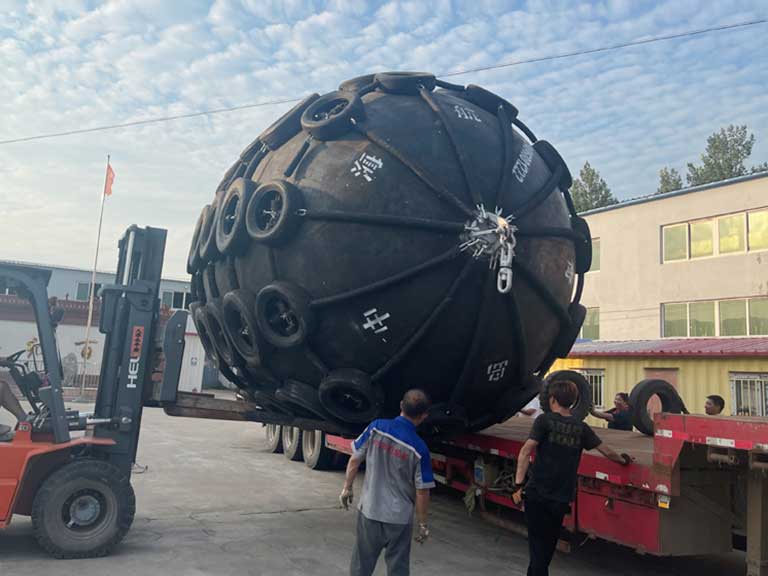
The price of pneumatic rubber fenders is influenced by multiple factors. These include dimensions and specifications, materials and quality, manufacturing standards, degree of customisation, supply and demand dynamics, and order quantity. Fenders that are bigger and can absorb more energy cost more. And so do fenders made of better rubber and with more reinforcement.
In addition, the price goes up since it has to meet international standards like ISO 17357 and has bespoke features. Market forces, such as sudden increases in demand and the cost of raw materials, especially for rubber, are also quite important.
Understanding Pneumatic Fenders
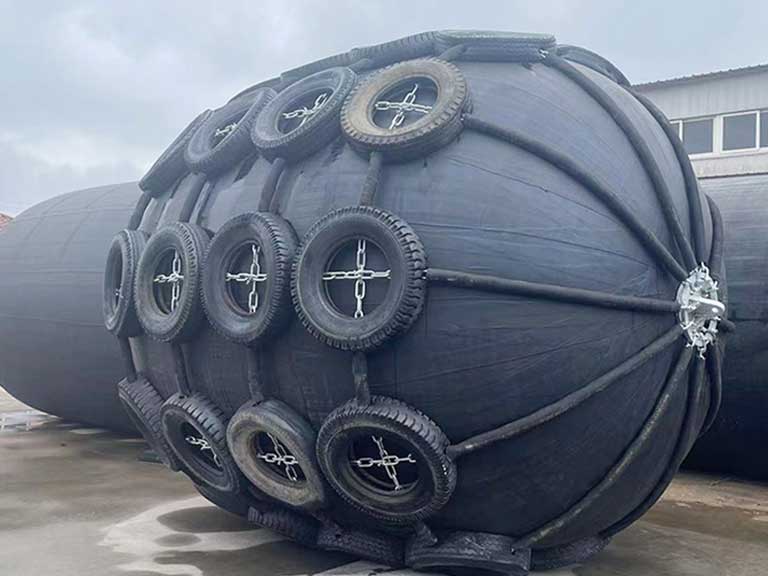
Pneumatic fenders are inflatable rubber things that are great at absorbing energy with little hull pressure. This makes them perfect for docking situations when there is a lot of impact.
These fenders protect the hull and berth from berthing collisions by compressing air inside them, which absorbs kinetic energy from the ship and limits reaction forces. ISO 17357-1:2014 compliance guarantees standardized performance measures, such as energy absorption at a 60% deflection.
Key Factors That Determine the Price of Pneumatic Fenders
Many things influence the cost of pneumatic fenders for marine use. Knowing these factors helps buyers make smart choices. They balance cost with how well and long the fenders last.
- Material Quality and Composition: Premium rubber (such as UV-resistant compounds) and polyester cables make things last longer, although they cost 10–20% more than basic options. Some economy choices may use nylon, which breaks down faster when it gets wet.
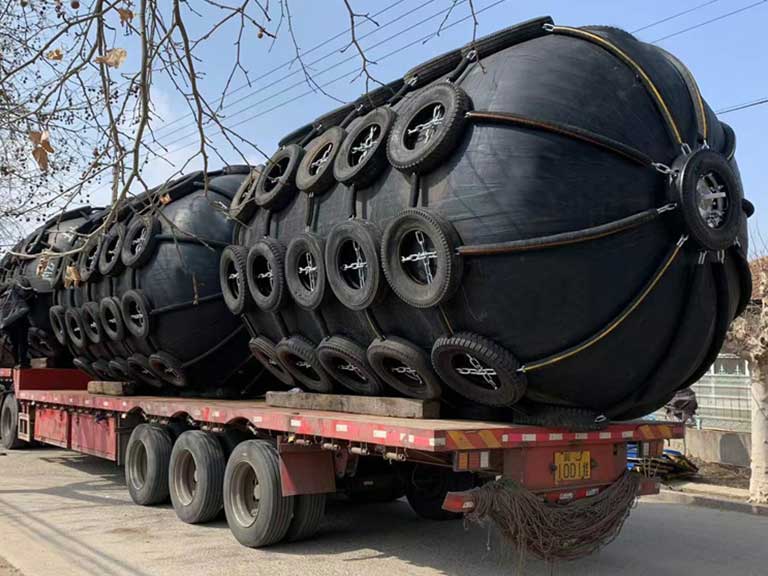
- Size and Dimensions: Larger fenders require more material and longer curing time, which increases cost. Additionally, larger fenders typically incur higher transportation, handling, and packaging costs. These expenses may constitute a significant portion of the final price.
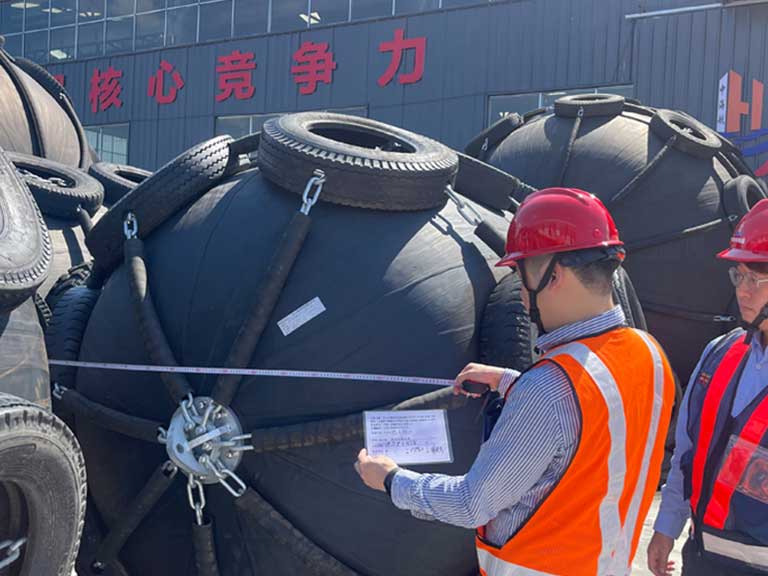
- Manufacturing Standards: If your project requires ISO 17357 compliance and third-party inspection, cost rises due to additional testing, documentation, traceability, and QA. So it should be quoted as a line item.
Internal Pressure Requirements and Price Variations
Internal pressure greatly affects pneumatic fender prices. It impacts their safety and how well they work. Fenders work best at certain pressures, which changes their cost.
50kPa vs 80kPa Pressure Options
Fenders can work at 50kPa or 80kPa. The choice affects their performance and price. Higher-pressure fenders might need more safety features.
| Operating Pressure | Safety Valve Activation Pressure | Impact on Price |
| 50kPa | 175kPa | Base Cost + 5-8% |
| 80kPa | 230kPa | Base Cost + 5-8% |
Safety Valve Requirements for Larger Fenders
Larger fenders have safety valves to prevent damage from too much pressure. These valves kick in at specific pressures, making the fenders safer and potentially saving money in the long run.
Adding safety valves to big fenders makes them more expensive upfront. But it makes them much safer. This is key for those in the maritime field who want to balance costs with reliability.
Energy Absorption Capabilities and Pricing
The cost of pneumatic rubber fenders depends on how well they absorb energy. They also need to keep the ship’s hull pressure steady. High-performance fenders are made to keep hull pressure between 122-148 kPa, no matter their size.
| Hull Pressure (kPa) | Energy Absorption | Reaction Force |
| 132 | High | Minimal |
| 126 | High | Minimal |
| 135 | High | Minimal |
| 122 | High | Minimal |
| 148 | High | Minimal |
Relationship Between Energy Absorption and Cost
The ability of pneumatic rubber fenders to absorb energy affects their cost. Premium fenders, which absorb more energy and keep hull pressure steady, need advanced engineering. This makes them more expensive.
- Hull pressure ratings are key in setting the price of pneumatic rubber fenders.
- Premium fenders keep hull pressure steady across different sizes, needing advanced engineering.
Performance Metrics That Influence Price
Several performance metrics affect the price of pneumatic rubber fenders. These include how they react to force, how they bend, and how much energy they return. All these need special testing and engineering skills.
- The reaction force must be just right to protect both the vessel and the berthing structure.
- Advanced performance metrics need special testing equipment and engineering skills.
- Ship protection performance under different compression scenarios requires a lot of R&D.
Yokohama Type vs. Sling Type: Price Comparisons
The type of pneumatic fender also affects its price. Yokohama type and sling type pneumatic fenders do the same job but differ in structure and performance. Knowing these differences helps you choose the right one for your needs and budget.
| Aspect | Yokohama (Net-Type) | Sling Type |
|---|---|---|
| Structure | Cylindrical with tire-chain net | Chains/sligns, no outer net |
| Performance | Superior abrasion resistance, +20% energy absorption | Lighter, easier handling |
| Price Premium | 15-25% higher | Base (cheaper for temp use) |
| Best For | Offshore/long-term | Inshore/short-term |
Yokohama type fenders have better abrasion resistance and last longer, making them 15-25% more expensive than sling type fenders. In addition, Yokohama type fenders often absorb more energy than sling type fenders, offering better value despite being more expensive upfront.
Sling type fenders might be cheaper for temporary use or specific needs where their performance fits perfectly. When comparing prices, consider the total cost over time, including maintenance, service life, and reliability in your environment.

Hardware Components and Accessories
The success of pneumatic fenders relies on their hardware, like chains, shackles, and swivel joints. These ensure they’re installed and work correctly.
- Chains, Shackles, and Swivel Joints: Standard galvanized chains, shackles, and swivel joints are key for securing pneumatic fenders. They must handle the harsh marine environment.
- Additional Hardware and Its Cost Impact: Adding custom mounting brackets and reinforced points can raise the price by 10-20%. Using marine-grade materials and special coatings boosts costs. But it also makes the product last longer.
Volume Purchasing and Wholesale Pricing Benefits
Buying lots of pneumatic fenders can save a lot of money. Ports and shipping companies always need these fenders.
- Bulk Order Discounts: Buying in bulk gets you big discounts on pneumatic rubber fenders. These discounts can cut down the cost a lot.
- Long-term Supply Agreements: Long-term deals for pneumatic rubber fenders can save 10-25% compared to buying on the spot. These deals offer fixed or formula-based prices. This protects buyers from price swings.
Customization Options and Their Price Implications
Customizing pneumatic fenders affects their price. Different needs require different solutions.
- Special Requirements for Unique Applications: Custom pneumatic fenders can be made for specific needs. This includes different sizes and pressure levels.
- Branding and Color Customization: Branding and color changes for rubber fenders add 3-8% to the price. But they offer great benefits for identification and corporate identity.
Custom colors need special pigments and extra quality checks. This ensures they last and look good. Adding a company logo adds complexity. This affects the final price. For big companies, the extra cost of custom fenders is worth it. Talk to manufacturers early to understand the pricing and what you need to buy.
Conclusion
Understanding pneumatic fender prices is key. At Zhonghaihang Shipping Supply, we say the price is just part of the story. You also need to think about quality, performance, and how long they last.
The cost of owning a pneumatic fender goes beyond the initial price. Things like upkeep, lifespan, and how well they work are important. For important jobs, spending more on quality can pay off in the long run.
We offer clear prices that show real value. Our rates are competitive without sacrificing quality. Talk to our technical team about your needs. See how our marine protection solutions can add value to your operation.
FAQ
What is the typical lifespan of a pneumatic rubber fender?
How do I determine the correct size of a pneumatic fender for my vessel?
What is the difference between Yokohama type and Sling type pneumatic fenders?
Can pneumatic fenders be customized to meet specific requirements?
What are the key factors that affect the price of pneumatic fenders?
What maintenance is required for pneumatic fenders?
Talk to our team.
Share a few details about your project — vessel, port, or operation. We'll reply within 24 hours.