

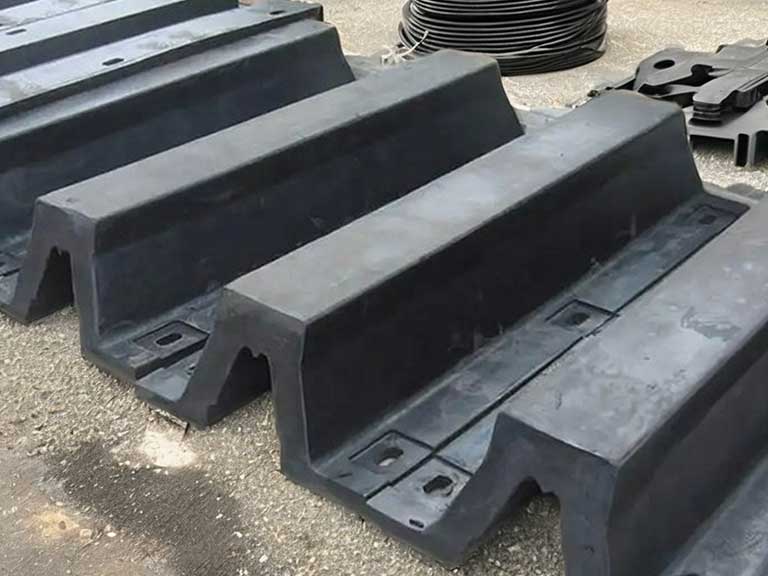
To extend the service life of rubber fenders, you should clean and inspect them regularly. Additionally, they should be handled and stored properly, and protective measures such as UV-resistant coatings or covers should be used. To ensure rubber fenders last as long as possible, you should periodically check their wear and tear. Proper maintenance can extend the service life of rubber fenders, for example, from 5-10 years to 15-20 years or even longer. Additionally, it can enhance their performance and reduce overall costs.
Understanding Rubber Fenders and Their Importance
Rubber fenders are key in the maritime world. They absorb energy during docking, preventing damage. They keep the docking facilities safe and ensure smooth operations.
These fenders act as a buffer, taking the impact of a docking vessel. They spread the force, protecting both the vessel and the dock. This makes docking more efficient.
Types of Rubber Fenders and Their Applications
Rubber fenders vary in design to suit different docking scenarios. Here’s a comparison table for clarity:
| Type | Description | Applications | Pros | Cons | Typical Lifespan (with Maintenance) |
|---|---|---|---|---|---|
| Arch (V-Type) | V-shaped rubber units, often with steel panels for added protection. | General-purpose docking in ports with moderate traffic. | Versatile, cost-effective. | Prone to shear damage in high-stress areas. | 10-15 years |
| Rotary | Features rotating elements for better offset and stress distribution. | High-offset needs, such as in areas with varying water levels. | Reduces stress on structures. | More complex installation. | 15-20 years |
| Pneumatic | Inflatable rubber bags filled with air or foam for floating protection. | Ship-to-ship transfers or ports with tidal variations. | Excellent energy absorption, easy to deploy. | Requires pressure monitoring. | 7-10 years |
Critical Factors Affecting Rubber Fender Durability
Durability depends on material quality, manufacturing processes, and environmental exposure. High-quality rubber compounds resist abrasion and compression set, as outlined in Bridgestone’s Marine Fender Design Manual. Factors like UV rays can reduce lifespan by 25% without protection, while ozone resistance is key for longevity.
IMO standards emphasize biofouling control and material strength, recommending tensile strengths of at least 2500 psi for rubber. At Zhonghaihang Shipping Supply, we’re known for quality, service, and fast delivery. We ensure our clients get reliable, durable rubber fender solutions.

Essential Maintenance Practices for Extending The Lifespan of Rubber Fenders
Keeping rubber fenders in good shape is key. Regular checks are crucial for their performance and life. This ensures they work well during impacts, protecting vessels and docks.
Regular Inspection Schedules and Procedures
Check rubber fenders every 3-6 months, more often in busy or harsh areas. Look for wear signs like cracks, deformations, and hardware issues. Use a checklist:
- Visual scan for wear.
- Measure deflection under load.
- Test pressure in pneumatic types (maintain 50-80 kPa).
Early detection prevents minor issues from escalating, potentially saving 15-20% in costs.
Proper Cleaning Techniques and Frequency
Clean quarterly using mild soap and soft brushes to remove salt and marine growth. Avoid abrasive chemicals, which can degrade rubber by 10-20% faster. For pneumatic fenders, inspect nets for deterioration.
Managing Pressure and Structural Integrity
Keeping the pressure in pneumatic fenders right is key. You need to check and adjust it often. This keeps them working well and safe from damage.
- Start a maintenance plan to make rubber fenders last longer.
- Check them often to catch problems early.
- Keep a record of all maintenance and repairs. It helps plan for the future.
Preventing Damage and Deterioration
To keep rubber fenders in good shape, you must tackle what makes them wear out. Things like the weather and how they’re used can hurt them a lot.
- Addressing Environmental Factors and UV Exposure: The weather can really affect rubber fenders. Sun, heat changes, and chemicals can make them break down faster. Using UV-resistant coatings or covers can help a lot.
- Proper Installation and Positioning Techniques: Putting rubber fenders in the right spot is very important. Incorrect positioning can increase stress by 30%. You need to think about the size of ships and the water level. This way, they can handle the impact of ships well.
- Handling Impact Stress and Load Distribution: It’s important to spread out the force of ships hitting the dock. This stops damage in one spot and makes the fenders last longer. Check the high-wear areas often.

Conclusion
For rubber fenders to last, you need good ones and take care of them. At Zhonghaihang Shipping Supply, we make all sorts of marine gear. This includes fenders to protect ships and docks.
Buying top-notch fenders and keeping them up is key. Regular checks, cleaning, and fixing them when needed are important. It saves money and keeps them working well for a long time.
By following these steps and choosing quality, you can make your fenders last longer. Training your team on how to use and maintain them also helps a lot.
FAQ
What are the primary factors that affect the durability of rubber fenders?
How often should rubber fenders be inspected?
What is the best way to clean rubber fenders?
How can I ensure the proper installation of rubber fenders?
Can rubber fenders be repaired, or do they need to be replaced?
What role does maintenance play in prolonging the service life of rubber fenders?
Talk to our team.
Share a few details about your project — vessel, port, or operation. We'll reply within 24 hours.