

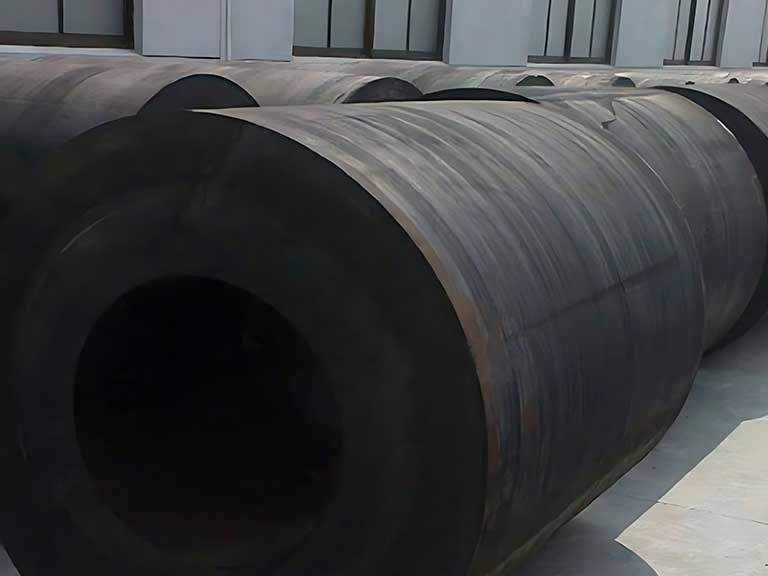
When a boat is tied or towed, it’s impossible to avoid contacting the hull with mooring devices or other boats. Have you ever wondered how boats can bear the stresses of mooring and berthing without getting too hurt? The answer is to use rubber fender gear that absorbs the energy of the collision.
In nautical environments, rubber fenders are particularly significant. They absorb impact energy and protect boats and docking infrastructure from damage. In this article, we’ll speak about the laws that make them work and the science behind how they work.
The Essential Role of Rubber Fenders in Marine Protection
Marine environments are quite hard on boats and docking facilities. Having effective impact protection is really crucial for keeping things safe and making them endure longer. Rubber fenders are made to meet these needs by being exceptionally sturdy and flexible.
Rubber fenders are protective devices. They assist in keeping ships safe when they are moored or docked. Zhonghaihang Shipping Supply makes a lot of different things for boats. This includes making high-quality marine rubber fenders and pneumatic fenders.
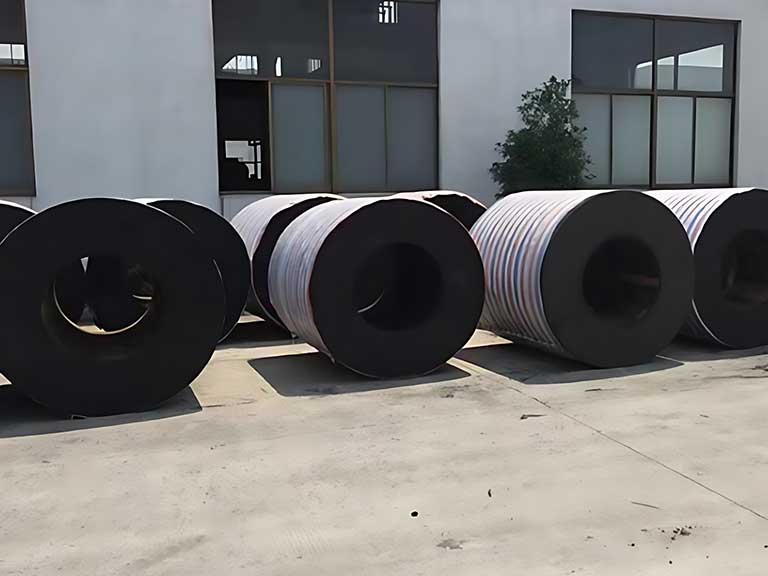
How Rubber Fenders Work
The theory behind how rubber fenders absorb impacts is a complicated mix of changing energy, spreading force, and controlling reaction force. We will talk about the main ideas that make it feasible for rubber fenders to soak up and disperse the energy that comes from a ship landing.
Principles of Energy Conversion
Rubber fenders turn the kinetic energy of a moving ship into something that is easier to work with. Most of the time, they do this by squeezing or changing the shape of it. This process of shifting energy makes it easier on both the ship and the docking structure. For instance, pneumatic fenders can soak up a lot of energy, which makes them particularly helpful in changing marine scenarios.
Ways to Spread Force
To lessen stress on vessels and berthing infrastructure, it’s essential to spread the force uniformly. Rubber fenders do this by spreading the force of the impact over a larger area, which lessens the pressure points. The materials and design of the fender are particularly essential for how well it can spread forces.

Force of Reaction and Lessening of Impact
The reaction force has a big effect on how well rubber fenders work. When the fender is pushed down, this is the force that pushes back. It is sent back to the ship and the structure where it is parked. The finest protection comes from high-quality rubber fenders that can absorb as much energy as possible while lowering reaction forces.
| Fender Type | Energy Absorption | Reaction Force |
| Pneumatic Fenders | High | Low |
| Solid Rubber Fenders | Moderate | Moderate |
| Hydropneumatic Fenders | High | Low to Moderate |
Conclusion
New discoveries in material science and production are about to change the way rubber fenders work. Zhonghaihang Shipping Supply is committed to making rubber fender technology better so that it can keep up with the changing needs of the marine industry.
New trends include rubber compounds that are good for the environment, smart fenders with monitoring systems, and hybrid designs that give superior protection. Next-generation rubber fenders need to absorb more energy as ships get bigger, but they also need to keep the reaction forces manageable.
We are always looking for new approaches to solve these problems while still preserving quality and dependability. In the future, fender systems and digital technology will work together better to protect the seas. This will let you do predictive maintenance and make things work better.

FAQ
What are the primary benefits of using marine fenders on vessels?
How do different types of fenders cater to various marine applications?
What factors influence the durability of marine fenders?
What considerations should be taken into account when selecting a fender for a specific vessel?
How can regular maintenance extend the lifespan of marine fenders?
What role do fenders play in reducing the reaction force during berthing operations?
Talk to our team.
Share a few details about your project — vessel, port, or operation. We'll reply within 24 hours.