


Are you protecting your boat from damage when docking or mooring? Using the right equipment is key to keeping your vessel safe. A boat fender acts as a protective cushion. It keeps your boat safe from the dock or another vessel. Knowing when and how to use fenders is vital for every boat owner to avoid costly damage.
Understanding Boat Fenders and Their Importance
Boat fenders are crucial for protecting your vessel. They prevent damage from collisions or rubbing against docks, other boats, or structures.
What Are Boat Fenders?
Boat fenders are protective devices made from durable materials. They absorb impact, shielding your boat’s hull from scratches, dents, and more severe damage. They come in various shapes, sizes, and materials for different boats and docking conditions.
Why Fenders Are Essential for Boat Protection
Fenders are key for minimizing damage during docking, mooring, or rafting up. Here’s why:
- They are a cost-effective way to prevent thousands of dollars in potential repair costs.
- Fenders prevent subtle wear and tear caused by normal water movement and wave action against docks.
- Professional marine surveyors check for hull damage, which can impact your boat’s resale value and insurance coverage.
- For fiberglass hulls, minor impacts without fender protection can lead to gelcoat cracks and delamination.
- Fenders are particularly essential in crowded marinas, rough conditions, or unfamiliar docking locations.

Types of Boat Fenders for Different Situations
Different situations need different types of boat fenders for optimal protection. Choosing the right fender is crucial for safeguarding your vessel against damage in various docking conditions.
Cylindrical Fenders and Their Uses
Cylindrical fenders are a popular choice among boat owners. They are versatile and effective, ideal for various docking situations, providing reliable protection against impact.
Spherical Fenders for Heavy-Duty Protection
Spherical fenders offer heavy-duty protection for boats that require extra safeguarding. Their robust design makes them suitable for large vessels or those that frequently dock in challenging environments.
Flat Fenders and Specialty Options
Flat fenders are a space-saving alternative, ideal for boats with limited storage capacity. Specialty fender options, such as fender boards and reinforced corner fenders, cater to specific docking needs and boat designs. Inflatable fenders and pontoon boat fenders are other innovative solutions available.
When to Put Fenders on Your Boat
Knowing when to put fenders on your boat can prevent damage. The timing of fender deployment depends on docking situation, weather conditions, and the presence of other boats nearby.
Approaching a Dock or Marina
When approaching a dock or marina, deploying fenders is crucial. We recommend using cylindrical fenders for their versatility and effectiveness in absorbing impact.
Rafting Up with Other Boats
Rafting up with other boats requires careful consideration of fender placement. This is to prevent damage to your vessel or neighboring boats. In such situations, using fenders with a suitable size and material is vital for protection.

Mooring in Rough Conditions
Mooring in rough conditions needs extra care. This includes placing fenders strategically. Here are some tips:
- Use more fenders than usual and place them closer together for better protection.
- Double your fender lines for extra security. Use your biggest, strongest fenders to protect against strong currents or big waves.
- Use fender boards, especially when docking against pilings or uneven surfaces. They help spread protection over a wider area.
By following these tips, your boat will stay safe even in tough mooring spots.
Proper Fender Placement and Positioning
Putting fenders in the right place is key to protecting your boat when docking. You need to know where your boat is most vulnerable. We’ll show you how to place fenders correctly to keep your boat safe.
Vertical vs. Horizontal Placement
Fenders work better when placed vertically. This way, they can absorb shock better and protect your boat from docks or other vessels. But, the best placement depends on your fender type and boat design.
Determining the Correct Height
Getting fenders at the right height is crucial. They should hit the dock or other vessel at the same level as your boat’s hull. You might need to adjust the line length or fender attachment point to get it right.
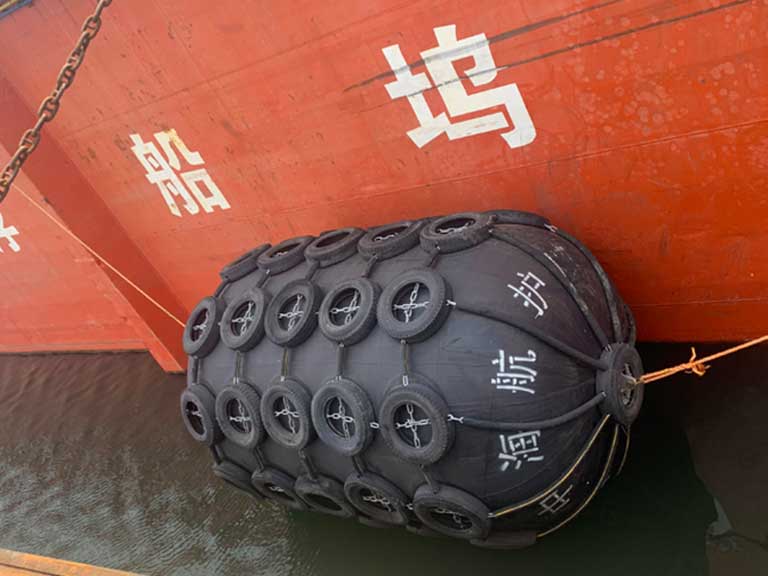
Strategic Positioning Along the Hull
Knowing where your boat is most vulnerable is important. Use at least two fenders, one at the widest hull point and one near the stern. Add more fenders along the hull, about every 8-10 feet, based on your boat’s length and docking conditions.
Here are some tips to maximize protection:
- Always have a fender at the widest hull point, as it’s the first to hit a dock or vessel.
- Add fenders forward and aft of the widest point, focusing on vulnerable spots like the bow, stern, and any protruding hardware.
- For boats over 20 feet, space fenders about every 8-10 feet along the hull. Adjust for smaller boats or tricky docking spots.
- Protect areas with expensive gear or hard-to-fix parts, like swim platforms, bow pulpits, or hull graphics.
- Tailor your fender setup for boats with unique designs or special features.
- Be ready to adjust your fender setup for unfamiliar docks or unusual conditions.
| Boat Length | Recommended Fender Spacing | Key Areas to Protect |
| Under 20 feet | Every 6-8 feet | Bow, stern, widest point of hull |
| 20-30 feet | Every 8-10 feet | Bow, stern, widest point of hull, protruding hardware |
| Over 30 feet | Every 8-10 feet | Bow, stern, widest point of hull, protruding hardware, swim platforms |
By following these tips and considering your boat’s unique needs, you can protect it from damage when docking. Remember, the key is to understand your boat’s specific needs and be ready to adapt to different docking situations.

How to Securely Tie Boat Fenders
Tying boat fenders correctly is key for any boat owner. When you’re docking, how you tie your fenders matters a lot. It affects how well your boat is protected.
Essential Knots for Fender Attachment
Knowing the right knots is important for securing fenders well. Two main knots are the Clove Hitch and Round Turn with Two Half Hitches.
The Clove Hitch Method
The Clove Hitch is great for attaching fenders because it’s easy to adjust. To make it easier, add a slippery hitch. This lets you easily release and retie it while you’re on the dock.
Round Turn and Two Half Hitches
For extra security, especially if you’re staying for a while, use a Round Turn with Two Half Hitches. This knot is reliable and can be adjusted.
Choosing the Right Attachment Points
Picking the right spots to attach your fenders is crucial. For boats with high sides, attach fenders to midships cleats, toerails, or the bottom of stanchions. This avoids damaging the stanchions.
Adjusting Fenders While Docking
Adjusting your fenders’ height and position is key when docking. As you secure your boat, move fenders for the best protection. After securing, fine-tune their positions. You might also want to change temporary knots to more secure ones.
Conclusion
Zhonghaihang Shipping Supply is a top name in boat fenders. We offer a wide range of marine protection solutions. This includes pneumatic fenders, rubber fenders, marine airbags, and foam filled fenders for different vessels and situations.
Need to outfit a new boat or upgrade your protection? Our team is here to help. We’ll advise on the best fender options for you. This way, you can protect your boat for years to come.

FAQ
What type of fender is best suited for my boat?
How do I determine the correct height for my boat fenders?
What is the best way to attach fenders to my boat?
Can I use the same fenders for different docking situations?
How often should I inspect my boat fenders?
Are there any specific fender placement strategies for rough conditions?
Can I use fenders for protection against other boats or just docks?
Talk to our team.
Share a few details about your project — vessel, port, or operation. We'll reply within 24 hours.