

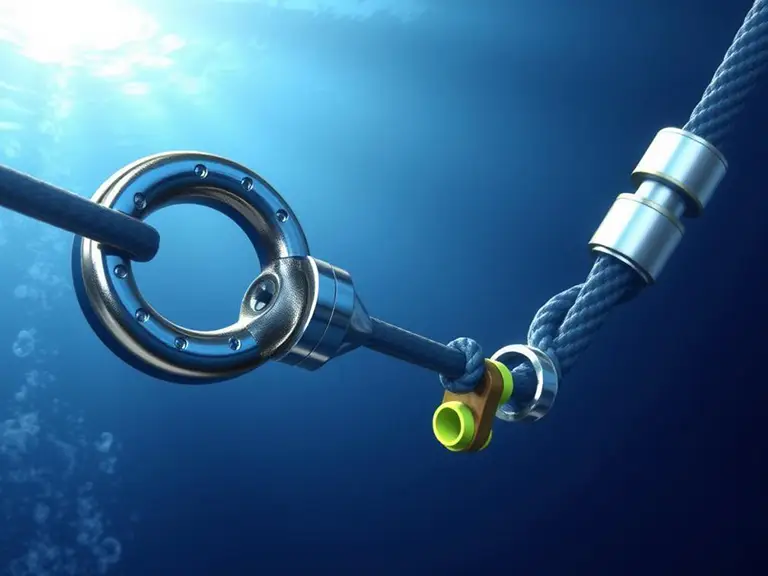
In nautical language, a “shackle” is a standard length of anchor chain, usually 90 feet (27.43 meters). This length is equal to 15 fathoms. It is a unit for measuring and describing the length of chain extended from a ship’s anchor. When someone says “3 shackles in the water,” it means that 270 feet of chain have been freed.
As marine equipment supplies, we know that choosing the right shackle size and type is key. In this guide, we’ll explore shackle dimensions, types, and applications. This ensures you make informed decisions for your marine projects.
Understanding Shackle Dimensions and Measurements
Understanding shackle dimensions is vital for optimal performance and safety. Accurate measurements are crucial for selecting the right shackle for your marine application. This ensures it meets or exceeds the working load limit required.
Standard Shackle Lengths and Sizes
Shackles come in various sizes and lengths, and knowing these dimensions is essential. The size of a shackle is determined by its inside width, inside length, and pin diameter. Standard sizes are designed for different rigging hardware and applications.
When choosing a shackle, consider the working load limit (WLL) and ensure compatibility with rigging equipment. Always check that the shackle meets or exceeds the WLL for the task.
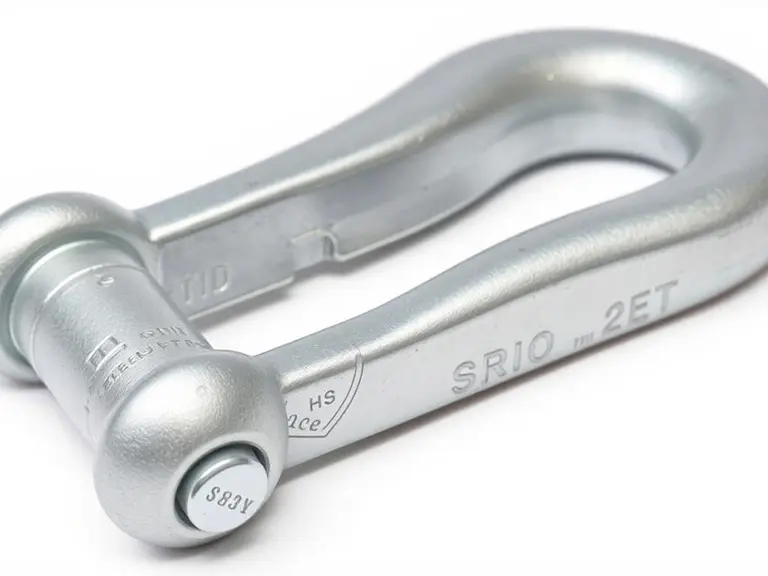
How to Measure a Shackle Correctly
Measuring a shackle correctly involves documenting several key dimensions. These include pin diameter, inside width at the pin, inside length or height, and outside width across the bow. The pin diameter is particularly critical as it directly correlates to the shackle’s working load limit.
- Measure the pin diameter at its narrowest point for accuracy.
- Take measurements of the inside width at the pin to determine the size of lines, chains, or fittings that can be accommodated.
- Record the inside length or height to ensure proper fit and load capacity.
- Measure the outside width across the bow to understand the shackle’s overall size.
For safety, always use calibrated measuring tools and verify measurements against manufacturer specifications. Proper measurement ensures you select a shackle with appropriate load capacity. Documenting these measurements is recommended for future reference, especially in critical marine applications.
Types of Shackles for Marine Applications
The diverse needs of marine operations require a range of shackle types, from anchor shackles to specialty designs. At Zhonghaihang Shipping Supply, we understand the importance of having the right shackle for your specific marine application. This ensures both safety and efficiency.
- Anchor and Bow Shackles: Anchor and bow shackles are crucial in marine rigging, providing secure connections for anchors and other equipment. A bow shackle, in particular, is designed with a wider bow. This accommodates synthetic slings, preventing pinching and ensuring the sling’s full working load limit is maintained.
- Chain and D Shackles: Chain shackles and D shackles are designed for heavy-duty applications, offering robust solutions for connecting chains and other rigging equipment. These shackles are built to withstand the harsh conditions of marine environments, ensuring reliability and safety.
- Specialty Shackles: Specialty marine shackles are designed for specific maritime needs. They include synthetic sling shackles, ROV-compatible models, and sheet pile shackles. These offer features like wide bodies to prevent pinching, secure pins to avoid loss, and designs for remote underwater connections.
Working Load Limits and Safety Considerations
To ensure safe and efficient lifting operations, understanding the working load limit (WLL) of shackles is crucial. The WLL is a critical factor in determining the suitability of a shackle for a particular application. Side-loading also affects the WLL, making it essential to consider this when selecting a shackle.
The WLL of a shackle is the maximum weight it can safely handle under normal conditions. It’s important to note that the WLL is not the same as the breaking strength, which is typically much higher. When selecting a shackle, it’s vital to consider the WLL in relation to the expected load to ensure safe operation.
Side-Loading and Angle Considerations
Side-loading occurs when a shackle is subjected to a force at an angle to its centerline. This is common in marine applications where loads are rarely perfectly aligned. To safely manage side-loading, it’s essential to reduce the WLL according to the angle of the load.
- For angles between 6°-45°, reduce the WLL by 30%.
- For angles between 46°-90°, reduce the WLL by 50%.
- Never use shackles at side-loading angles exceeding 90°, as this can lead to catastrophic failure.
At Zhonghaihang Shipping Supply, we provide detailed guidance on appropriate WLL reductions for side-loading scenarios specific to marine applications. Our experts recommend selecting shackles with working load limits significantly higher than the expected load to ensure safety.
Conclusion
Choosing the right shackle is crucial for ensuring the safety and efficiency of your marine operations. Our team provides personalized recommendations to help you select the perfect shackle for your specific rigging hardware needs. With our expertise, you can ensure safe and reliable connections in various marine environments.
FAQ
What is the difference between a bow shackle and an anchor shackle?
How do I determine the working load limit (WLL) of a shackle?
What are the benefits of using stainless steel shackles?
How do I properly inspect a shackle for damage or wear?
What is side-loading, and how does it affect shackle performance?
Talk to our team.
Share a few details about your project — vessel, port, or operation. We'll reply within 24 hours.