

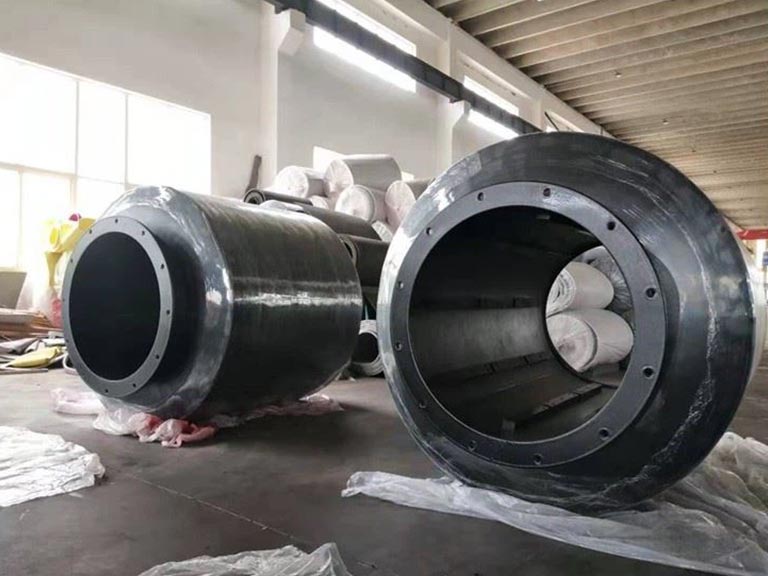
People think of donut fenders as expensive gear for boats. They survive a long time and perform a good job of protecting boats and docking structures. Donut fenders are now standard in the company since they can defend from all sides. But a lot of professionals have difficulties putting them in and keeping them up.
How can we make sure that donut fenders are put up appropriately and stay in good shape? Also, how should they be cared for properly to make them last longer and work better? Don’t worry, Zhonghaihang Shipping Supply can help you find professional marine equipment.
What Are Donut Fenders?
Donut fenders are a big deal in the marine business. They safeguard both buildings and boats by absorbing energy from impacts. They have a hollow center that makes them unique. So, you may put donut fenders around circular things like piles or beams. They can provide comprehensive security because of their distinctive shape.
Donut fenders are usually made of high-quality rubber or foam-filled materials that have a hollow center. Because of their design, they are sturdy and good at absorbing energy, which makes them perfect for use in water.
Benefits of Proper Installation and Maintenance
Donut fenders work best when they are installed correctly. If you take care of them, they will last as long as possible. We can keep ships and docking structures safe by making sure these fenders are placed and maintained correctly. In the long run, these will keep investments safe and make things safer.
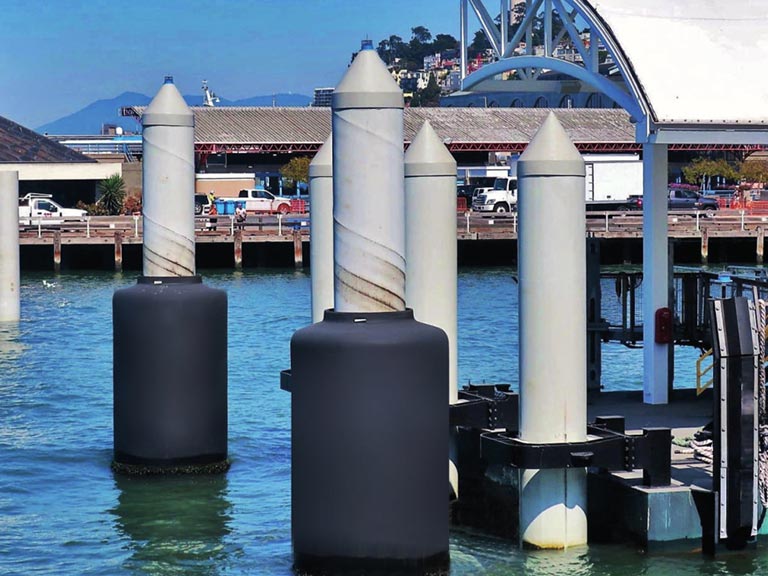
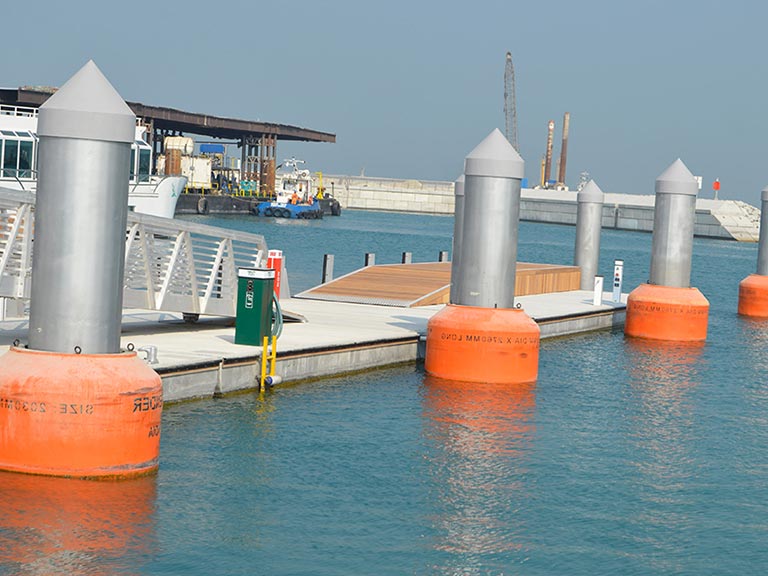
In nautical environments, donut fenders are highly beneficial since they protect from all sides. Because of their unique design, they can spin around piles, so they always work as they should, no matter what angle the boat is coming from.
- Donut fenders protect all around, which makes them great for use in the water.
- Their unusual design lets them rotate around piles, which means they always protect the boat, no matter how it comes in.
- Donut fenders are made of high-quality materials that make them strong and good at absorbing energy.
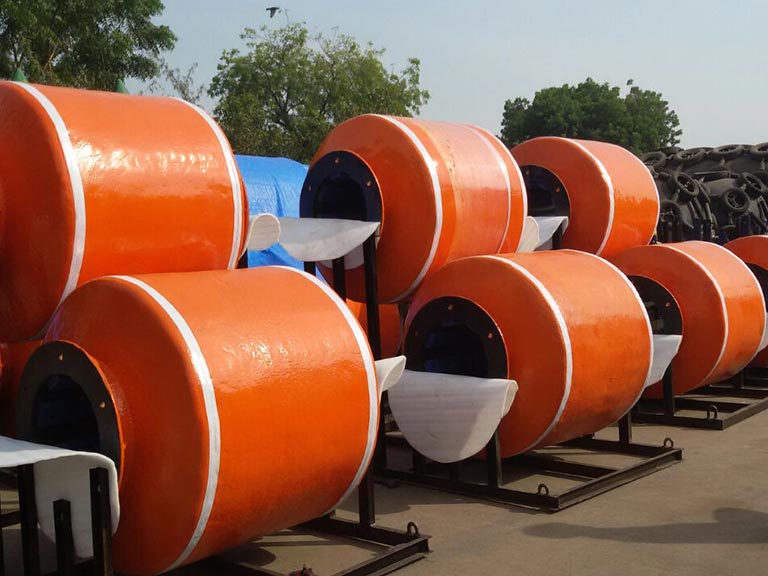
Essential Tools and Preparation for Donut Fender Installation
To put on donut fenders the right way, you need the right tools and a place that is ready. It’s crucial to be well-prepared so that both the installation crew and the donut fender work smoothly.
- Tools and Equipment Needed: You will need some tools and gadgets to put on donut fenders. Some of the most significant tools include lubricants, a drill and drill bits, a crane or other lifting device, lifting slings or straps, wrenches and ratchets, a measuring tape or laser measure, and mounting hardware like brackets, clamps, or bolts.
- Site Preparation and Assessment: Before you put it in place, make sure the dock or boat’s surface is clean, smooth, and free of trash or damage. This planning is highly crucial for a fender fitting that goes well and is safe.
- Things to think about before installation for safety: Safety is highly important. Make sure that all of the installers have the right safety gear on. Also, think about the area around you to avoid getting hurt while installing.
Step-by-Step Guide to Install and Maintain Donut Fender
You need to be careful and patient when installing the donut fender. First, you need to measure the column or pile. We will show you how to fit your donut fender and make sure it is attached correctly and operates as it should.
Evaluating the Pile or Column Dimensions
It’s very important to get an exact measurement of the column or pile’s width before you start installing it. A tiny math error can make an application not work. We suggest utilising exact measuring instruments to find out how wide it is. This will help ensure that the donut fender you pick fits the size of the column.
| Column Diameter (inches) | Recommended Fender Size |
| 12-18 | Small |
| 19-24 | Medium |
| 25-36 | Large |
Securing and Lifting the Fender
Once the right size fender is found, you should use bands or straps to hold the donut fender in place. This keeps the fender from moving while it is being lifted, which stops crashes and damage from happening. We recommend using strong straps and bands that can hold the weight of the fender.
Proper Attachment Techniques
Align the fender with the pile or column once it is at the appropriate height. Use the right brackets, bolts, or other tools to hold the fender in place. Check that the method the fender is mounted lets it move and turn when it needs to.
- Use brackets and fasteners that won’t rust.
- Ensure adequate alignment to avoid uneven tension.
- Tighten fasteners according to the manufacturer’s specifications.
Testing the Installation
Once the fitting is done, test the donut fender to make sure it can turn and work properly. See if there are any signs of misalignment or problems with the connection. We recommend that you carefully inspect the fender to make sure it works.
Troubleshooting Common Installation Issues
During installation, it’s usual for things to go wrong, like things not lining up, problems with mounting, and constraints on movement. To fix these concerns, you should check that the fender is perfectly aligned with the piling foundation. Also, make sure that the connecting elements are put together correctly and that the fender can move freely.
Proper installation is vital to ensuring that fenders perform successfully, protecting docks and vessels from harm. Follow these steps and be slow and careful while putting it together. Your donut fenders will work right and last a long time this way.
Effective Maintenance Practices for Donut Fenders
A thorough repair schedule is necessary for donut fenders to work well and last as long as possible. Taking care of the fenders regularly not only makes them last longer, but it also makes sure they continue to protect boats and docks in the best way possible.
- Regular Inspection Schedule: We propose putting up a regular check schedule so that problems can be detected before they get worse. This proactive approach helps donut fenders perform effectively and last a long time.
- Cleaning and Removing Debris: When debris accumulates between the fender and the pile, it can make it harder to turn and hurt performance. We want to stress how important it is to clean the fenders and get rid of trash regularly. These include washing them with fresh water to get rid of salt deposits that might cause rusting to happen faster.
- Taking care of wear and tear: Ships get a lot of stress when they contact donut fenders. It is necessary to inspect for wear and tear regularly and address any damage immediately to retain their purity and functionality.
- Extending the Lifespan: You can make your donut fenders last a lot longer by performing things like regular checkups and cleaning as part of preventative maintenance. Taking care of this crucial investment can keep it safe. Also, it can help keep it working at its best.
Conclusion
Not only can proper installation and regular maintenance save money, but they are also very important for the safety of ship operations. By following these detailed steps and maintenance tips, you can keep your ships and dock structures in optimal condition.
Please get in touch with us if you need help picking the right donut fenders for your ship. As a business that has been making high-quality ship fenders for many years. Zhonghaihang Shipping Supply is dedicated to offering ship protection solutions that are both strong and dependable.
FAQ
What is the primary function of a donut fender in marine applications?
How do I determine the correct size of donut fender for my vessel or dock?
What are the key benefits of using donut fenders over other types of marine fenders?
How often should I inspect my donut fenders for maintenance?
What are the common issues that can arise during donut fender installation?
Can donut fenders be used in conjunction with other marine fender systems?
What factors affect the lifespan of a donut fender, and how can it be extended?
Talk to our team.
Share a few details about your project — vessel, port, or operation. We'll reply within 24 hours.