


Aeroplane tyre fenders, also called aircraft tyre fenders, are marine bumpers made from recycled aircraft tyres. These tyres are famous for their toughness. In the sea, they work well by absorbing impacts during docking. They protect ships and docks from damage and last a long time. Unlike standard fenders, they are very durable in harsh weather. This makes them a green choice for ports and ships.
Zhonghaihang Shipping Supply is leading the way in the maritime world. We use recycled aircraft tyres to make strong barriers for ships and docks. In addition, we make all sorts of marine gear, like pneumatic fenders and rubber fenders. Our goal is to keep ships and harbours safe. We help ensure the safety of the sea.
Understanding Aeroplane Tyre Fenders
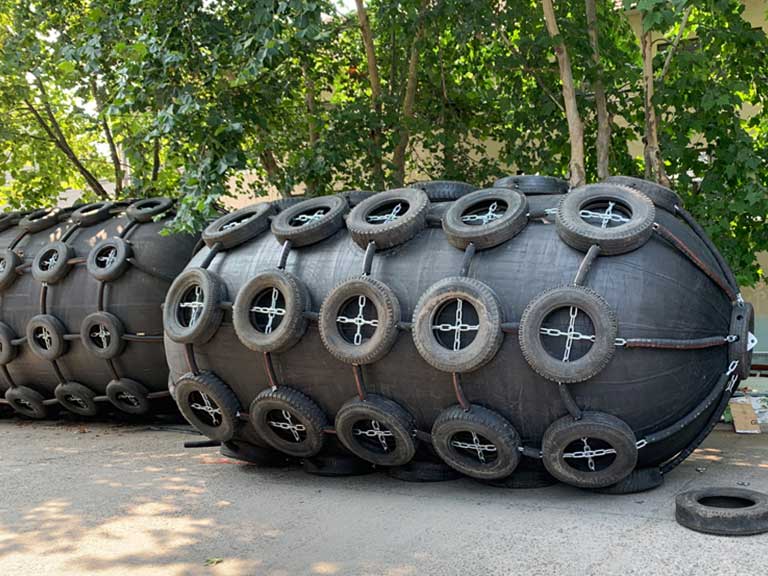
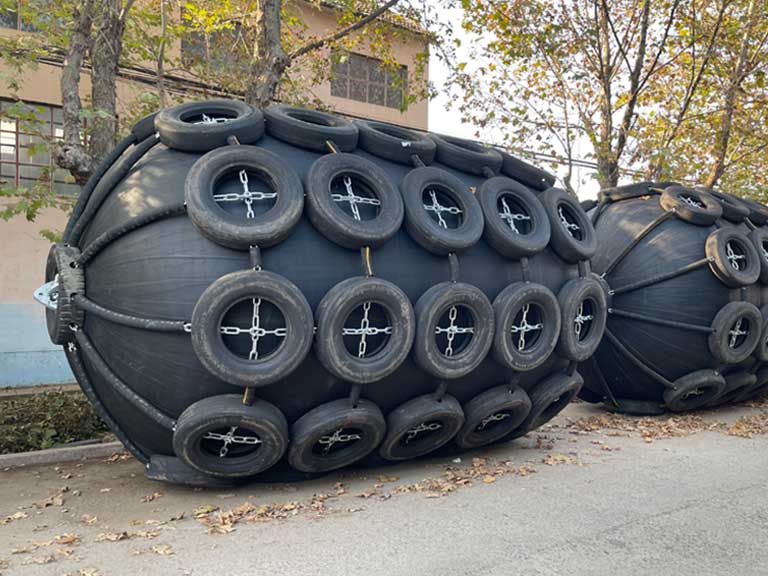
Aeroplane tyre fenders act as barriers in marine areas. They use old aircraft tyres to cushion shocks when a ship docks or moors. They serve as a buffer. This spreads out the impact force to stop the hull from bending or breaking.
We engineer these fenders from aircraft-grade rubber. This material gives them strength and a long life. You can install them on docks, ships, or floating structures. When hit, they compress to absorb energy. Then, they bounce back without losing their shape.
How They Differ from Regular Tyre Fenders
Regular tyre fenders often come from trucks or cars. They use synthetic rubber, which breaks down faster in sun, salt water, and rough use. Aeroplane tyre fenders use natural rubber and strong aviation reinforcements. This gives them a lifespan of 15-20 years. That is up to 3 times longer than wood options. They resist weather better and handle harder hits. This makes them perfect for busy ports or rough seas.

Key Features of Aeroplane Tyre Fenders
Our fenders focus on performance in tough marine conditions. Here is a look at their benefits:
Feature | Benefit | Application | Specification Example |
|---|---|---|---|
Superior Strength | Resists sand, sun, and salt; lasts 15-20 years | High-traffic ports, tugboats | Energy absorption up to 100-200 kJ; stays firm after 10,000 cycles |
High Abrasion Resistance | Resists cuts and wear from frequent hits | Busy marine environments | Tear strength 15x that of standard tires |
Excellent Impact Absorption | Spreads force evenly to reduce ship damage | Berthing operations | Low reaction force; handles forces up to 30 tons in arrays |
(Note: Specs change based on size and setup; contact us for custom data based on PIANC guidelines.)
Types and Configurations of Aeroplane Tyre Fenders
Aeroplane tyre fenders come in different types for various needs. We have options for all sorts of marine protection.
- Mounted Tyre Fenders: Mounted tyre fenders are fixed to docks or quaysides. They offer constant protection for ships. They’re great for places with lots of ship traffic.
- Hanging Tyre Fenders: Hanging tyre fenders are easy to move and set up. They are great for protecting tugboats and barges from side impacts.
- Floating Tyre Fenders: Floating tyre fenders work well on floating docks and pontoons. They adjust to changing water levels and can move with vessels.
Applications and Uses
We use aeroplane tyre fenders in many maritime settings. They keep vessels and docks safe in tough conditions. These fenders are very versatile.
- Tugboat Protection: Tugboats get a lot of protection from aeroplane tyre fenders. They handle the big forces from pushing and pulling. This keeps both the tug and the vessel safe from damage.
- Pontoon and Dock Protection: Aeroplane tyre fenders make a strong barrier for pontoons and docks. They prevent damage when vessels come in. This is especially useful in busy ports.
- Ship Hull Protection: Ship hulls are protected by aeroplane tyre fenders. They spread out the impact during docking. This flexible system fits different hull shapes and angles.
- Floating Structure Protection: Floating structures like work platforms and aquaculture facilities use these fenders. They handle impacts and waves, offering a wide range of solutions.
Advantages Over Other Fenders
Aeroplane tyre fenders are eco-friendly, cheap, and work well. Here is how they compare:
Fender Type | Cost | Durability | Energy Absorption | Maintenance | Environmental Impact |
|---|---|---|---|---|---|
Aeroplane Tyre | 50-70% less than foam | 15-20 years | High (100-200 kJ) | Low (yearly checks) | Recycled; saves landfill space |
Pneumatic | Higher start cost | 10-15 years | Very high (with air) | Moderate (check air) | Virgin materials |
Foam-Filled | High cost | 10-15 years | High | Low | Non-recyclable foam |
Regular Tire | Lowest cost | 5-10 years | Moderate | Low | Recycled but lower quality |
- Environmental Benefits: By recycling aircraft tyres, we save about 100 pounds of rubber per tyre from landfills. This supports green practices.
- Low Maintenance: You only need to look at them once a year for wear. They work in temperatures from -20°C to 60°C.
- Limitations: They are best for small to medium ships and medium impacts. For very high-energy hits, like big tankers, use them with pneumatic fenders. They are not good for extreme chemical spills.
Conclusion
As a professional marine equipment supplier, Zhonghaihang Shipping Supply’s aeroplane tyre fenders are top-notch for marine protection. They combine strength with being good for the environment. Our tyre fenders use aircraft tyre engineering for unmatched durability and flexibility in the sea.
Our fenders keep vessels safe during docking and cut down on upkeep costs. We have a wide range of sizes and setups to fit your needs. Trust us for quality, service, and quick delivery!
FAQ
What are the primary benefits of using rubber fenders in marine applications?
Are used aircraft tyres suitable for marine fender applications?
Can I customize fenders to fit my specific requirements?
What materials are used in the manufacturing of marine fenders?
How do I ensure the longevity of my marine fenders?
Talk to our team.
Share a few details about your project — vessel, port, or operation. We'll reply within 24 hours.