

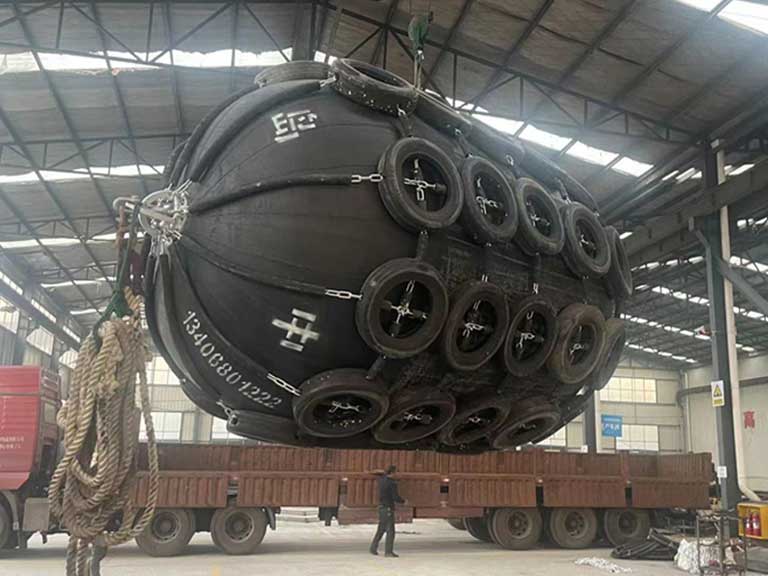
Yokohama rubber fender is a top choice for Ship-to-Ship (STS) operations worldwide. They are known for their self-floating design and long life. These pneumatic fenders use pressurized air to absorb collision energy, making maritime safety better. They started in post-WWII Japan. The name “Yokohama fenders” shows the innovative work of the Yokohama company.
For those in the maritime field, keeping vessels safe is key. Advanced fender systems play a big role in this. At Zhonghaihang Shipping Supply, we focus on providing top-notch protection solutions for shipyards and harbor owners.
The Evolution of Ship Protection Before Yokohama Fenders
Before modern fenders, ships used simple methods to avoid damage during docking. These early methods were often makeshift and not very effective. This led to a big need for better ship protection equipment.
Early Ship Protection Methods
Maritime history shows early protection methods were quite creative. Ancient civilizations used natural materials to protect their ships. Sailors and port workers used logs, wooden planks, and rope bundles to absorb impact during docking.
These early methods offered little protection and needed to be replaced often. This caused big problems for busy ports and shipping routes. The materials used varied, but the goal was always to reduce ship damage.
The Whale Carcass Era: A Surprising Predecessor
In whaling communities, especially in Japan, whale carcasses were used as natural bumpers for ships. They were good at absorbing shock but had many problems. These included being hard to find, decomposing fast, smelling bad, and raising ethical questions about whaling.
After World War II, there was more global shipping and bigger ships. This made a big need for better, standard, and green protection solutions. This time was key for ship protection, leading to the use of Yokohama fenders made from rubber.
As the world moved to better fender systems, the maritime industry adopted new tech and materials. This led to the creation of modern fenders, now key in ship protection worldwide.

The Birth of Yokohama Fenders
After World War II, international trade grew fast, making docking ships safely a big challenge. With bigger and more ships, the need for good fender systems grew. Ports and shipyards focused more on safety and efficiency.
Post-World War II Maritime Challenges
After World War II, the maritime industry faced big challenges. Global trade grew fast, and ships got bigger. With bigger and more ships, the need for good fender systems grew. Ports and shipyards focused more on safety and efficiency.
Therefore, people needed better docking solutions to avoid damage. Old methods like using whale carcasses or wooden fenders were not enough anymore. They were not reliable or sustainable. We knew we needed a better solution. The industry wanted something that could handle big ships well and was also affordable.
Yokohama Rubber Company’s Innovation in 1958
In 1958, Yokohama Rubber Company made the first pneumatic fender. This was a big step towards finding a synthetic alternative to old fender materials. Their design used air to absorb shock, like whale bodies, but made of rubber.
This innovation was a game-changer. It made safety better and reduced the need for whale products. It was a win-win for everyone.
The First Pneumatic Fender Structure Design
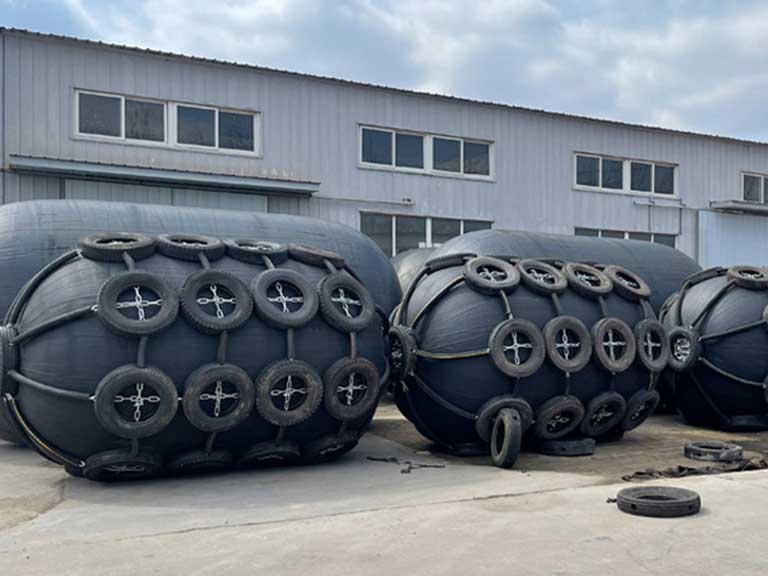
The original pneumatic fenders had a very simple structural design. It was a cylinder filled with air and made of rubber. It was designed to spread out impact forces well. This meant it needed less rubber than solid fenders.
These early fenders worked at about 50 kPa and 80 kPa. They were great at absorbing shocks for all kinds of ships.
We created this solution to meet the maritime industry’s growing needs. Pneumatic fenders were cost-effective and efficient for ports and shipyards all over.

Technical Development and Evolution
The Yokohama fender has changed a lot since it was first made. New technology and better manufacturing have made modern fenders stronger and more effective.
From Basic Designs to Advanced Technology
Early pneumatic fenders were simple. But over time, they got more complex. Advances in materials and making them have made them better.
Today’s fenders are made with precision and special rubber. They last longer and work better in tough marine environments.
ISO17357 Standards and Global Certification
In 2014, ISO 17357 standards came out. They set strict rules for fender quality and performance. These standards make sure pneumatic fenders work well everywhere.
Following ISO 17357 standards means fenders meet global quality standards. This builds trust and reliability in the maritime world.
Material Innovations in Fender Manufacturing
As technology advances, so do the materials used to make pneumatic fenders. Material innovations have played a crucial role in enhancing the durability and performance of Yokohama fenders. Specialized rubber compounds and enhanced construction methods significantly improve the structural integrity of the fenders. This enables them to withstand the rigors of modern offshore operations.
Thanks to these advancements, pneumatic fenders can protect bigger ships. They work in more challenging situations too.
The History of Yokohama Fenders in Global Maritime Operations
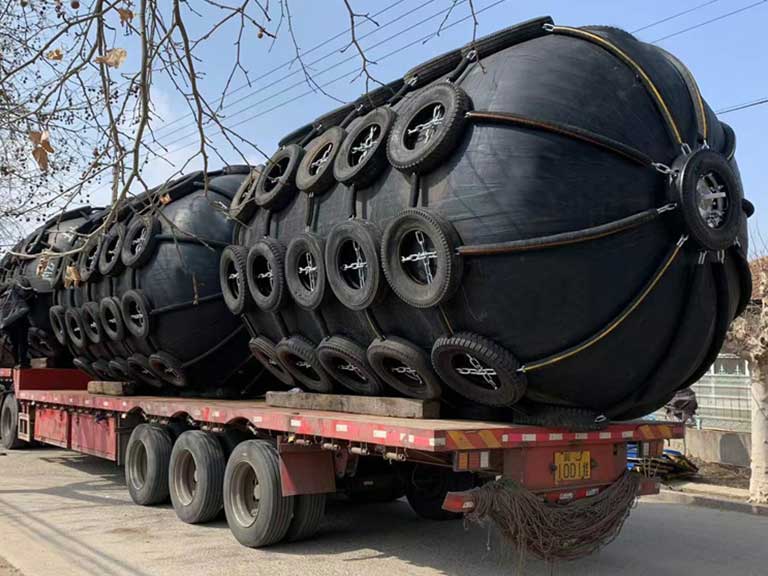
Yokohama fenders have been a key part of international shipping for decades. They offer unmatched protection. For years, they were used with other types of fenders to protect ships during docking.
Adoption in International Shipping
The use of Yokohama fenders has changed how ships move around the world. They offer a standard way to protect ships, making sea travel safer and more efficient. At first, these fenders were used with other systems to protect ships.
But as they proved reliable in many situations, Yokohama fenders became the main choice for ship protection. This is especially true for ship-to-ship transfers, where their design is very useful.
Impact on Maritime Safety Standards
Yokohama fenders have helped set new safety standards for ships. They have made it safer to dock and transfer cargo. The data shows they have greatly improved safety and efficiency at sea.
Historical Milestones and Achievements
Yokohama has made bigger fenders as ships have grown. In 2018, they made the world’s largest floating fender. They have also made it easier to install these fenders.
Yokohama fenders have been key in keeping ships safe in tough places. They work well in busy ports and in bad weather. Yokohama is known for its innovation and quality in the shipping world.
Applications and Advantages of Modern Pneumatic Fenders
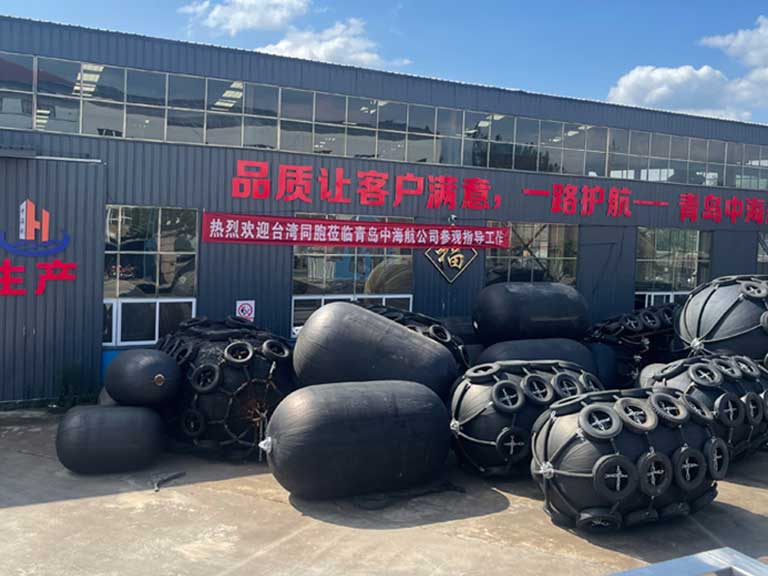
Pneumatic fenders are used in a wide range of applications. They are used in different situations, showing how well they work.
- Ship-to-Ship Operations: In ship-to-ship transfers, pneumatic fenders are essential. They can handle cargo transfers safely, even in rough seas.
- Berthing and Docking Applications: Pneumatic fenders are great for docking and undocking. They protect ships and ports by spreading out the force of impact.
- Oil and Gas Transfer Operations: Oil and gas transfers need reliable equipment. Pneumatic fenders are trusted for these risky operations. They help avoid big problems and save money.
Key Benefits Over Traditional Fenders
Modern pneumatic fenders have many advantages over older fenders. They absorb energy better, work well in different weather, and are easier to use and fix.
- They absorb up to 30% more energy.
- They work well in all kinds of weather.
- They are easy to install and maintain.
- Their design makes them flexible.
- They last longer and cost less to keep up.
Using pneumatic fenders makes shipping safer, cheaper, and more efficient.
Conclusion
Yokohama fenders have greatly improved maritime safety. They’ve evolved from simple to advanced systems, changing how we protect ships. Today, they form the backbone of the pneumatic fender market, which continues to grow alongside vessel class escalation and port infrastructure investment.
At Zhonghaihang Shipping Supply, we carry on Yokohama’s legacy of innovation. Our range of marine products, like pneumatic fenders, meets today’s vessel needs.
Today, Yokohama-type fenders are key in maritime safety worldwide. We’re committed to keeping our products up-to-date, honoring their historical importance.
FAQ
What are the primary benefits of using pneumatic fenders in maritime operations?
What materials are used in the manufacturing of modern pneumatic fenders?
Can pneumatic fenders be used in a variety of maritime applications?
How do pneumatic fenders compare to traditional fender systems?
What is the role of quality assurance in the manufacturing of pneumatic fenders?
Are pneumatic fenders suitable for use in harsh marine environments?
Talk to our team.
Share a few details about your project — vessel, port, or operation. We'll reply within 24 hours.