

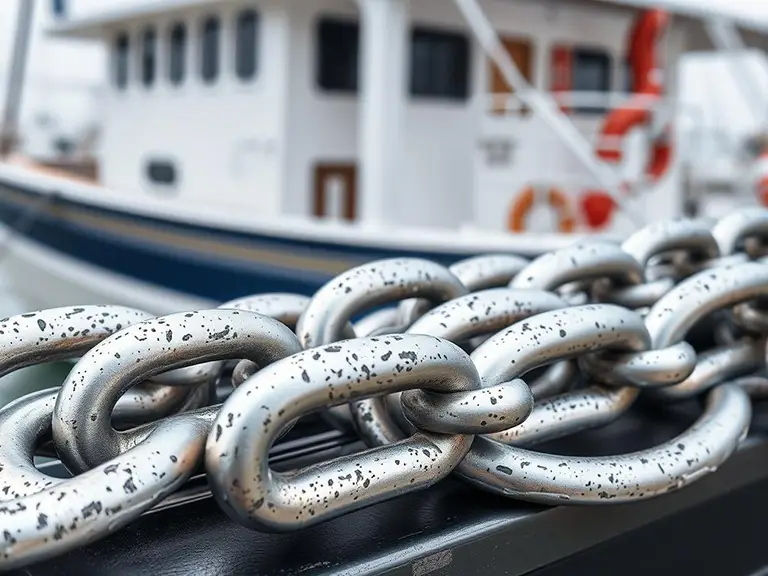
Choosing and maintaining the right anchor chain keeps your vessel safe. The chain’s shape, condition, and fit with the windlass determine how well your anchor holds. Many boaters compare anchors carefully but treat the chain as a simple accessory. This mistake increases the risk of dragging, damage, and problems pulling the anchor up.
This guide explains what anchor chains do, the main types available, and how to choose materials. It also covers how to check for the right fit and how to care for your chain. As a professional marine equipment supplies, we will focus on the anchor chain itself. Always check any strength or size claims against the manufacturer’s data for your specific boat.
Anchor Chain Definition and Functional Role in an Anchor Rode
An anchor chain is a series of metal links that connects the anchor to the boat. It is part of the “anchor rode” (the complete line and chain system). The chain adds weight near the bottom of the sea. It also lets the connection at the anchor move freely. These features help the anchor hold steady when you have the right amount of line out for the water depth and weather.
A chain is most valuable where ropes might get cut or worn down. Rocks or coral can ruin a rope quickly, but chain handles scrape much better. However, a chain alone does not guarantee the anchor will hold. Holding power depends on the sea bottom, the anchor design, the length of the rode, and the weather conditions.
You must treat the chain as a mechanical part, not just a material choice. The shape of the links affects how the windlass pulls them up and how they wear. The hardware connecting the chain to the anchor takes the most stress and movement. These connection points are the most important areas to inspect and replace when needed.
Misconceptions About Anchor Chains
Common myths often lead to poor performance or fast wear. Problems start when boaters apply general rules without checking if they fit their specific boat and windlass.
Myth 1: You Always Need an All-Chain Rode
Many assume every boat needs an all-chain system. This is not true. Mixed systems using both rope and chain can work well. However, you must verify that the rope can handle abrasion and that the connection between the rope and the chain works with your retrieval method.
Myth 2: Material Appearance Equals Quality
Some choose a chain based only on how it looks. Stainless steel resists rust and looks good, but it still must fit the windlass perfectly. Hot-dip galvanized chain is often cheaper and performs well if you keep it clean and monitor the coating. Choose based on your actual usage and fit, not just appearance.
Myth 3: Ignoring the Hardware
The “chain plus fittings” are a complete system. Shackles, swivels, and joining links are often the weakest parts. If these parts don’t match, they can jam the windlass or cause stress on a single link. Always check the entire path from the anchor to the chain locker to ensure all hardware works together.
Main Anchor Chain Types and Use Conditions
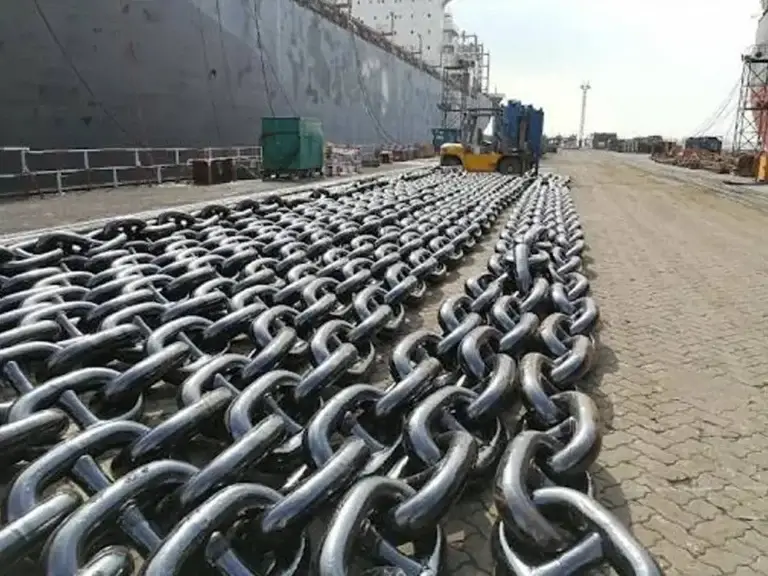
The “type” of a chain is defined by how the links are built and their shape. Categories like stud link, studless, and short-link predict how the chain handles and wears.
Follow this order when choosing a chain:
- Check if your windlass requires a calibrated short-link chain.
- Pick the link style that matches your needs.
- Choose the material and coating that resists corrosion in your waters.
Short-link Calibrated Anchor Chain
This type is standard for boats with windlasses. The “short link” shape allows the chain to sit perfectly in the windlass “gypsy” (the wheel that grabs the chain). If the link length or shape is slightly off, the chain will slip or jam.
Always verify the fit. Confirm your windlass model and the specific chain it needs. Also, ensure that any joining links or swivels fit through the gypsy if you plan to pull them all the way in.
Stud Link Chain
The stud link chain has a bar across the middle of each link. This bar stops the link from deforming and reduces twisting. It is common on larger vessels and heavy-duty systems. The downside is that it is heavier, bulkier, and harder to store in small lockers.
If you choose the stud link, check your equipment limits. Ensure your locker is big enough and your bow roller can handle the shape. Most importantly, your windlass gypsy must be designed specifically for a stud link chain.
Studless (Open Link) Chain
Studless chain is simple and widely used. It works with many windlass designs if calibrated correctly. The links move freely, which helps them pass smoothly over rollers. However, wear still happens where links rub together, especially the section that goes through the windlass often.
Even for simple open links, you must check the fit. Diameter is not the only factor. The pitch (length) and profile must match your windlass specs. Also, check that your connecting hardware clears the bow roller and anchor shank.
Combination Configurations
Some boaters use a mix of chain types. They might use a heavy chain near the anchor for abrasion resistance and a lighter chain or rope closer to the boat. This balances protection at the seabed with easier handling on deck.
Verify these mixed systems carefully. Joining different chains can create weak spots. Ensure any joining links can move without twisting and will pass through your windlass safely.
Material and Grade Decisions
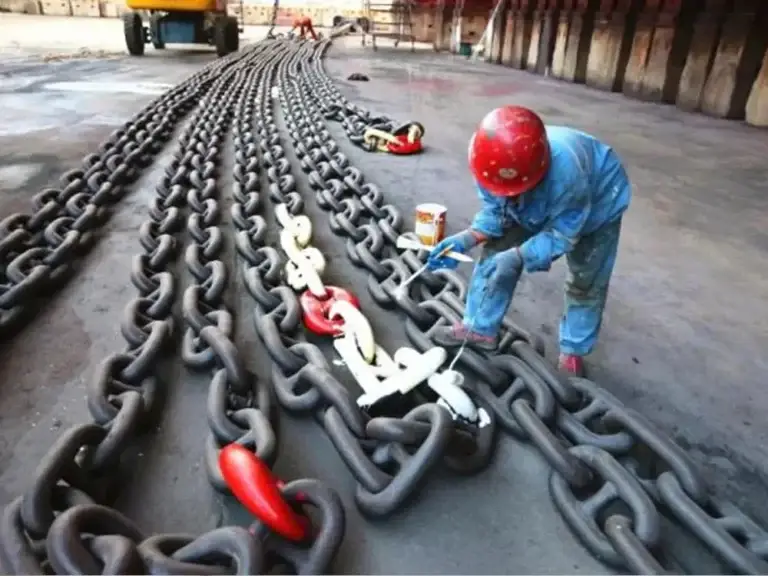
How you use your boat determines the right material and grade. Saltwater, wet-dry cycles, warm water, and how often you anchor all affect corrosion.
Material Choices
Galvanized coatings work well but eventually wear off. They may stain as they age. Stainless steel stays cleaner but can still suffer from wear and hidden damage. Do not rely on looks alone to judge strength.
Understanding Chain Grade
“Grade” refers to the chain’s strength. However, grade labels vary by manufacturer. Always check the supplier’s data for the specific chain size and pattern to understand its breaking strength.
If you change the chain diameter, treat it as a new project. A smaller chain might skip on the windlass. A larger chain might jam. Verify any size change against your windlass manual and test it carefully.
Stainless Steel Grades
Stainless steel labels indicate rust resistance, but real-world performance depends on the water chemistry. Confirm the chain is rated for marine use and is suitable for underwater use. Even a stainless chain needs inspection. Look for wear marks or bent links, as these can happen without rust. If you mix stainless steel with other metals, check for galvanic corrosion risks.
Environmental Fit Checks
Freshwater reduces salt corrosion but not wear. Coastal saltwater speeds up rust, especially where the coating wears off. Warm or polluted water can increase damage.
Map your anchoring habits. Note how often the chain is underwater versus dry, and how often it drags on rocks. If you anchor often in rough areas, abrasion resistance matters more than just rust prevention. Verify your choice with supplier recommendations for your specific waters.
Chain Size, Calibration, and Windlass Fit
The fit between your windlass and chain is critical for safety. Small differences can cause skipping or jamming. Often, you won’t see the mismatch until the chain is under load.
Link Geometry and Gypsy Engagement
The chain must sit consistently in the gypsy pockets and release smoothly. If the chain rides high, slips, or jumps, it does not fit. This damages the equipment. Also, check the bow roller. The chain should run straight without scraping the sides or twisting the anchor connection.
Calibration References
Calibration ensures every link is the same size. This uniformity allows the windlass to grab the chain reliably. While standards like DIN766 or ISO4565 exist, your windlass manufacturer’s spec is the most important rule. Verify the chain matches that spec before buying.
Perform a fit test. Run the chain out and in under a light load. Listen for noise and watch for skipping. Fix any mismatch before you rely on the system in bad weather.
Chain Length Planning
Plan your chain length based on the depths you anchor in and the “scope” (ratio of rode to depth) you need. A 5:1 scope is a common starting point, but wind and current may require more. Verify your needs based on local conditions.
Longer chains (80 to 100 meters) are great for cruising but add weight. Check your vessel’s weight limits and locker space. Use chain markers to help the crew know how much line is out.
Windlass and Chain Fit Checklist
- Model Match: Verify the windlass model and required chain spec.
- Dimensions: Confirm diameter, pitch, and profile match the gypsy.
- Clearance: Ensure joining links and swivels fit through the gypsy.
- Alignment: Check the bow roller alignment to prevent scraping.
- Test: Run a controlled test to confirm smooth operation.
Maintenance and Replacement
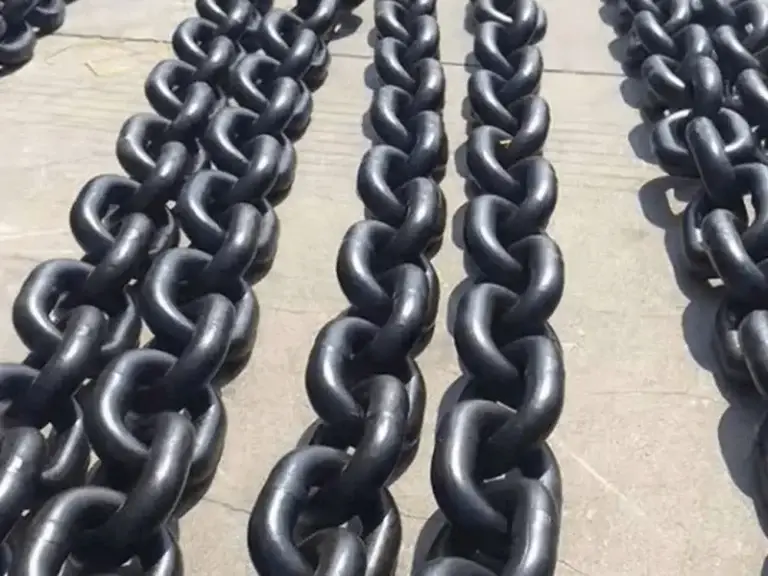
Good maintenance prevents failure. Wear usually happens near the anchor and at the windlass gypsy. Inspect these areas first. Do not rely on cosmetic appearance; measure wear and look for structural damage.
Clean your chain. Mud and sand grind down coatings. Marine growth, like barnacles, adds weight and hides cracks. Use cleaning methods that don’t damage the coating.
Rinsing and Locker Care
Rinse the chain with fresh water after saltwater use. This removes salt crystals and slows rust. Ensure the rinse water reaches the chain locker.
Dry the locker. Trapped moisture speeds up corrosion. Ensure the locker drains and vents well. If it smells damp, improve the ventilation.
Inspection Focus Points
- Anchor Connection: Check pins, links, and shackles for loosening or distortion.
- Gypsy Zone: Check the section that runs through the windlass for flattening or polish marks.
- Cracks: Any crack or partial break means you must stop using the chain immediately.
- Stretching: Elongated links suggest overload. If you see this, correct the system, don’t just replace the chain.
Retirement Decisions
Retire based on structure, not just age. If links are deformed or the chain jumps on the windlass, it may be time to replace it. Some chains can be re-galvanized, but verify this won’t change the link size.
When asking a supplier for help, provide the chain type, size, and photos of the damage. If you are unsure about the condition, use the chain less until a professional checks it.
Anchor Chain Inspection Focus Table
Inspection Area | What to Look For | Why It Matters | What to Do Next |
|---|---|---|---|
Anchor Connection | Loose pins, bent metal, strange wear patterns. | This part takes the most stress and movement. | Tighten pins, replace worn parts, or ask an expert. |
Seabed Contact Zone | Missing coating, deep rust, cuts from rocks. | Rocks and sand wear this area down fast. | Clean and record damage. Change habits on rocky bottoms. |
Windlass Contact Zone | Flattened links, shiny spots, skipping. | Shows the chain doesn’t fit or is wearing out. | Check chain specs. Test the fit. Fix the mismatch. |
Chain Locker | Hidden rust, mud, wetness. | Damp lockers rot the chain from the inside. | Clean the drain, rinse the chain, and let it dry. |
Conclusion
Anchor chain reliability comes from choosing the right type, verifying the material, and ensuring a perfect fit with your windlass. Failures often happen because of mismatched equipment, neglected hardware, or poor maintenance.
Follow a simple routine: verify specs, test the fit, and inspect high-wear areas often. Treat general rules as starting points, not guarantees. Verify your chain length and scope for your local waters. Keep the chain clean, the locker dry, and the anchor connection secure.
FAQ
Do all boats need an all-chain anchor rode?
What is the difference between short-link and long-link chain?
Should I choose galvanized or stainless steel chain?
How do I stop my windlass from jamming?
How should I mark my anchor chain?
When should I replace my chain?
Talk to our team.
Share a few details about your project — vessel, port, or operation. We'll reply within 24 hours.