


RoRo shipping is a specialized method for transporting vehicles and heavy equipment across the seas. It’s an efficient and safe way to move goods, playing a key role in global trade.
Zhonghaihang Shipping Supply is a leading marine equipment manufacturer. We specialize in high-quality solutions for the maritime industry. Our products meet the unique demands of the maritime industry, supporting the global supply chain.
Understanding RoRo Shipping
RoRo shipping is a vital part of the global logistics network. It facilitates the transport of vehicles and rolling cargo across the world’s oceans. We’ll explore its definition, origins, and unique characteristics.
Definition and Origin of RoRo Shipping
RoRo shipping involves transporting vehicles and other rolling cargo onto specialized vessels. The first RoRo vessel was built in the 1950s, starting a new era in maritime transportation. Modern vessels can carry thousands of vehicles and other rolling cargo. Key aspects include:
- Specialized vessels designed for wheeled cargo
- Efficient loading and unloading processes
- Capacity to transport a wide range of vehicles and equipment
How RoRo Differs from Container Shipping
RoRo shipping differs from container shipping in handling procedures, equipment, and cargo suitability. While container shipping transports goods in standardized containers. RoRo focuses on wheeled cargo. The main differences are:
- Cargo type: RoRo is suited for vehicles and rolling cargo, whereas containers are used for a wide range of goods
- Loading methodology: RoRo vessels are loaded by driving or rolling cargo on board, whereas containers are lifted using cranes
- Equipment requirements: RoRo vessels have ramps and decks for wheeled cargo, whereas container ships use cranes and container handling equipment
How RoRo Shipping Works
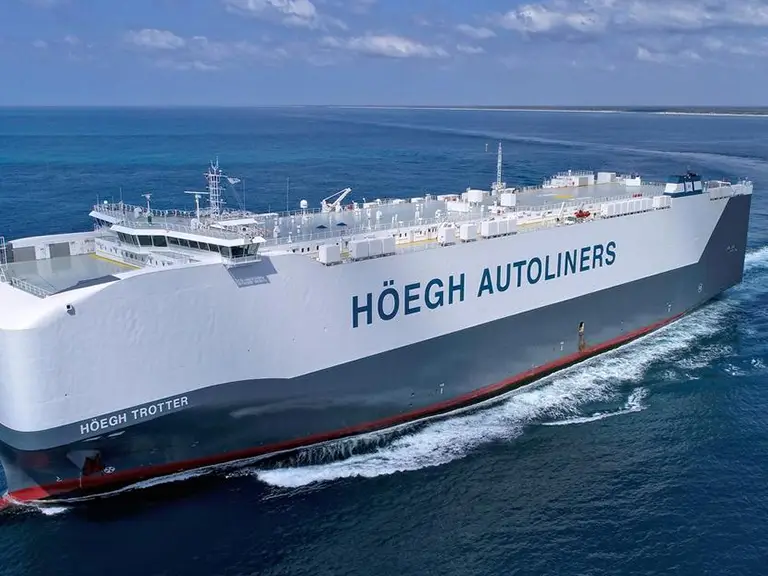
The Roll-on/Roll-off shipping method is a sophisticated logistics process. It ensures the safe transportation of vehicles and heavy machinery. We’ll detail each operational stage with precision and clarity.
- The Loading Process: Vehicles are driven or towed onto the vessel via a wide stern ramp by qualified handlers known as Stevedores. These experienced drivers ensure your vehicle is carefully driven onto the vessel at the origin port. The loading process is critical, with careful documentation and inspection before loading to ensure regulatory compliance and cargo safety.
- Securing Cargo During Transit: Once on board, vehicles are secured to lashing points using braces or straps. This prevents movement, even in rough weather conditions. The securing system ensures the cargo remains stable throughout the voyage.
- The Unloading Process at Destination: At the destination port, vehicles are safely driven off the vessel and parked in a designated parking facility. Vehicles can either be picked up personally or shipped to their final destination. The unloading process is carried out with the same care as the loading process, ensuring vehicles are delivered in the same condition they were received.
Understanding the intricacies of the RoRo shipping process highlights its efficiency and safety. Our expertise in marine protection solutions further enhances the safety of loading and unloading operations.
Types of RoRo Vessels
The RoRo shipping world is rich and varied, with vessels tailored to meet diverse cargo needs. From cars and trucks to heavy machinery and passengers, RoRo vessels cater to a broad spectrum. Let’s delve into the four primary types of RoRo vessels that dominate the shipping landscape.
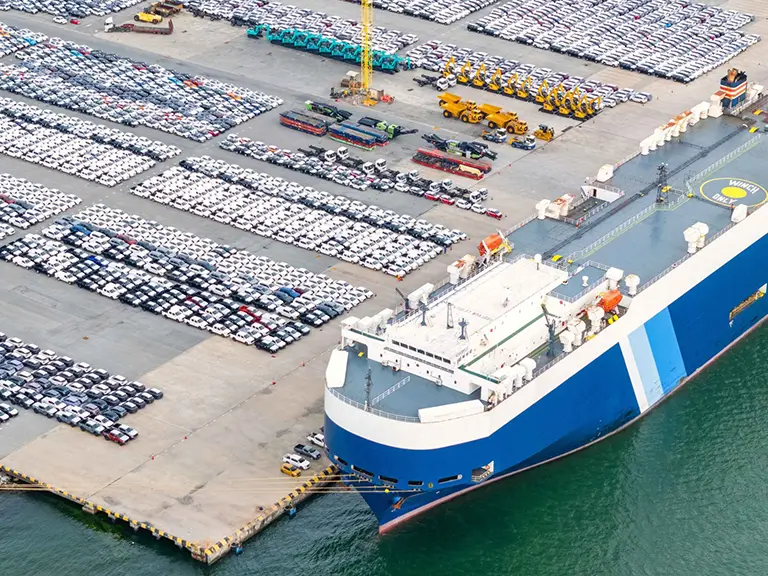
- Pure Car Carriers (PCC): Pure Car Carriers are crafted for the mass transport of cars. They boast a multi-level design, enabling them to carry hundreds or thousands of vehicles at a time. This design maximizes space while ensuring vehicles are transported safely.
- Pure Car and Truck Carriers (PCTC): Pure Car and Truck Carriers are similar to PCCs but cater to both cars and trucks. They offer more space for larger cargo, making them versatile for various transport needs. PCTCs can handle a mix of vehicles, offering flexibility in cargo handling.
- Conventional RoRo Vessels: Conventional RoRo vessels transport a wide range of rolling cargo, including vehicles, agricultural equipment, and airplanes. Their versatility makes them ideal for industries beyond automotive.
- RoPax Vessels: RoPax vessels are hybrids that combine RoRo and passenger transport. They are commonly used for ferry services, equipped with both cargo and passenger decks. RoPax vessels serve dual purposes, catering to both cargo and passenger needs.
In conclusion, the diversity in RoRo vessels showcases the industry’s adaptability to different cargo needs. From Pure Car Carriers to RoPax vessels, each plays a crucial role in the global shipping network.
Advantages of RoRo Shipping
RoRo shipping is a preferred method for transporting vehicles and rolling cargo due to its numerous benefits. We will explore the key advantages that make RoRo shipping an ideal choice for various industries.
Cost-Effectiveness and Efficiency
RoRo shipping is known for its cost-effectiveness and efficiency. Specialized vessels designed for vehicles and rolling cargo reduce costs per unit. The streamlined loading and unloading process enhances efficiency, allowing for quicker turnaround times and reduced labor costs. This efficiency is a significant advantage for industries that rely on timely deliveries.
Safety and Reduced Risk of Damage
One of the significant benefits of RoRo shipping is the safety it offers. Vehicles are driven or towed onto the vessel, minimizing the risk of damage associated with lifting operations. This method reduces handling and eliminates the potential for damage during loading and unloading, ensuring cargo arrives in good condition. The safety aspect is particularly crucial for high-value or sensitive cargo.
Flexibility and Versatility
RoRo shipping is highly flexible and versatile, accommodating a wide range of cargo types and sizes. From standard automobiles to oversized construction equipment, RoRo vessels can handle diverse cargo requirements. This flexibility makes RoRo shipping suitable for various industries, adapting to changing market demands and providing a reliable transportation solution.
By leveraging these advantages, RoRo shipping continues to be a preferred choice for transporting vehicles and rolling cargo. Its efficiency, safety, and flexibility make it an indispensable part of global logistics.
Industries and Applications of RoRo Shipping
The roll-on/roll-off (RoRo) shipping method is vital in various industries due to its efficiency and reliability. We will explore the diverse applications of RoRo shipping and its significance in different sectors.
- Automotive Industry Transportation: The automotive industry heavily relies on RoRo shipping for transporting new and used vehicles. This method ensures vehicles are delivered safely and efficiently to their destinations, whether domestically or internationally. With the ability to transport large numbers of vehicles at once, RoRo shipping has become the preferred choice for automotive manufacturers and dealerships.
- Heavy Machinery and Construction Equipment: RoRo shipping is crucial for the construction and heavy machinery industries. It transports oversized equipment like bulldozers and cranes. These machines are vital for construction projects. RoRo shipping ensures they are moved safely and efficiently.
- Emergency and Humanitarian Aid: In crises, RoRo shipping is key for delivering emergency aid. It transports vehicles, medical equipment, and other vital supplies. Its speed and efficiency help humanitarian groups respond quickly, offering crucial support.
Conclusion
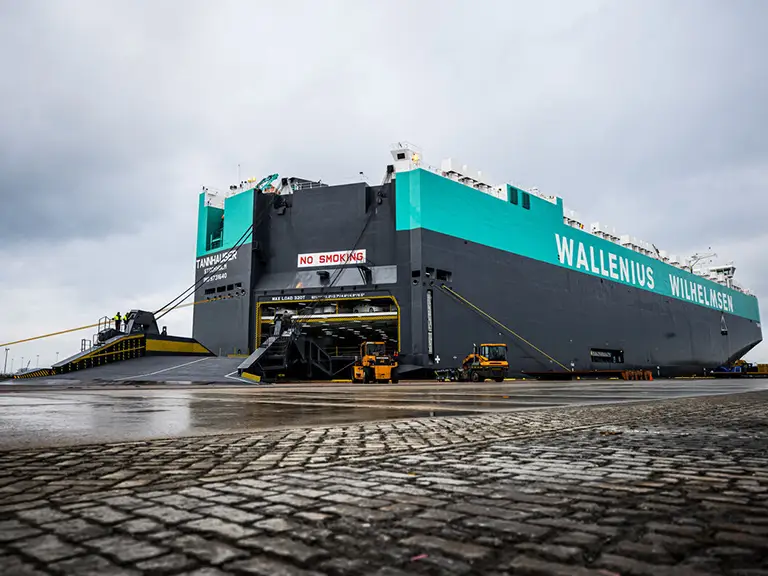
Looking ahead, RoRo shipping is crucial in global logistics, especially for vehicles and rolling cargo. It’s a key part of global logistics, offering a seamless and efficient solution. Its versatility, cost-effectiveness, and time efficiency make it a preferred choice for various industries.
At Zhonghaihang Shipping Supply, we’re committed to developing advanced protection solutions for modern RoRo shipping operations. We design and manufacture a wide range of marine equipment. These include pneumatic fenders, rubber fenders, marine airbags, and foam fenders. These ensure safe and efficient RoRo operations. As RoRo shipping evolves, our specialized protection solutions will play a critical role in this evolution.
FAQ
How are vehicles secured during transport on RoRo vessels?
What types of vessels are used for transporting rolling cargo?
Talk to our team.
Share a few details about your project — vessel, port, or operation. We'll reply within 24 hours.