

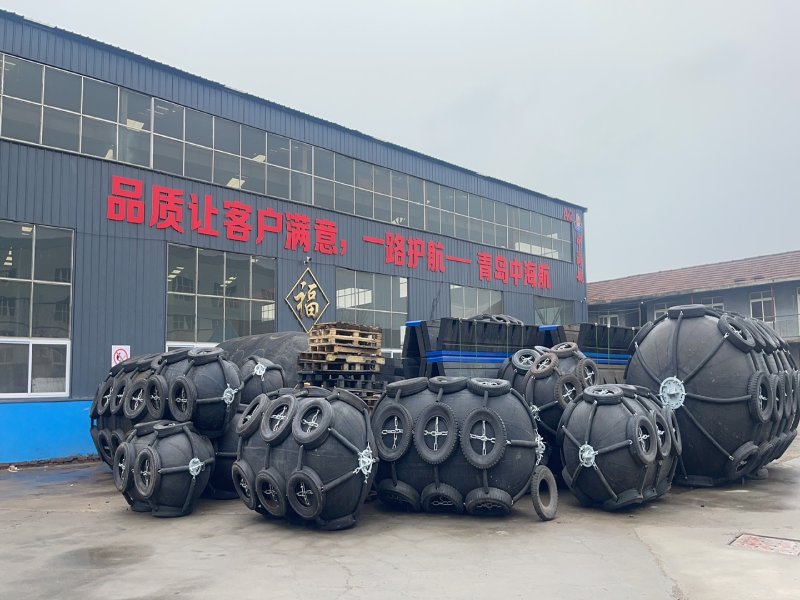
To date, more than 60,000 Yokohama fenders have been used worldwide. They are commonly used in ship-to-ship transfer operations and ship-to-quay operations. The weight of these Yokohama fenders is critical for safe and efficient berthing. To ensure smooth operations, ship and port managers must be aware of this.
In response to growing maritime needs, Yokohama rubber fenders have been evolving since 1958. Zhonghaihang Shipping Supply specializes in maritime equipment such as Yokohama pneumatic fenders. We specialize in different types of pneumatic fenders that can withstand harsh conditions. In addition, we will help you understand the weight of Yokohama fenders.
Proper Yokohama fenders are beneficial in protecting the assets of the vessel and the harbour while the vessel is at anchor. Therefore, ship and harbour managers need to understand how to choose the right weight for Yokohama fenders. With the growing demand for pneumatic rubber fenders. Accurate Yokohama fender weight data is critical to the maritime industry.
What is a Yokohama Fender?
Yokohama inflatable fenders are a type of protective device used on ships and in harbours. They absorb impact energy and reduce the risk of damage to port facilities. Thus, they serve to protect ships and harbor infrastructure. The weight of a Yokohama fender depends on the size and purpose of the vessel.
Quality Yokohama fenders are available in a variety of sizes and styles, including net and sling styles. Zhonghaihang Shipping Supply can provide products that meet the ISO 17357-1:2014 specification. With years of experience in production and manufacturing, we ensure that we provide high-quality fenders to the marine industry.
Yokohama fenders are known for their energy absorption capacity, durability, and compliance with standards. Below are their key benefits:
- High energy absorption capacity
- Durable
- Compliant with ISO 17357-1:2014
- Customizable sizes and configurations
Ship and harbor managers can make better decisions when using Yokohama fender products. Their robust construction and energy-absorbing capacity make them the perfect choice for marine applications.
For more information, see our What is Yokohama Fender?
Yokohama Fender Weight: Quick Reference Table
The table below covers the most commonly used standard sizes. Use this as a starting point when selecting a fender.
| Fender Size (Diameter × Length, mm) | Body Weight (kg) | Net-Type Weight (kg) | Sling-Type Weight (kg) |
|---|---|---|---|
| 500 × 1,000 | 22 | 32 | 160 |
| 600 × 1,000 | 36 | 55 | 195 |
| 700 × 1,500 | 65 | 95 | 280 |
| 1,000 × 1,500 | 130 | 190 | 420 |
| 1,000 × 2,000 | 175 | 260 | 530 |
| 1,500 × 2,500 | 420 | 620 | 980 |
| 2,000 × 3,000 | 850 | 1,250 | 1,850 |
| 2,500 × 4,000 | 1,520 | 2,240 | 3,100 |
| 3,300 × 6,500 | 3,200 | 4,750 | 5,900 |
| 4,500 × 12,000 | 6,473 | 9,875 | 9,875 |
Note: Weight tolerances are within ±10% per ISO 17357-1:2014. Actual weights may vary depending on the protective cover type and accessories.
Factors Affecting the Weight of Yokohama Fender Products
Fender Size
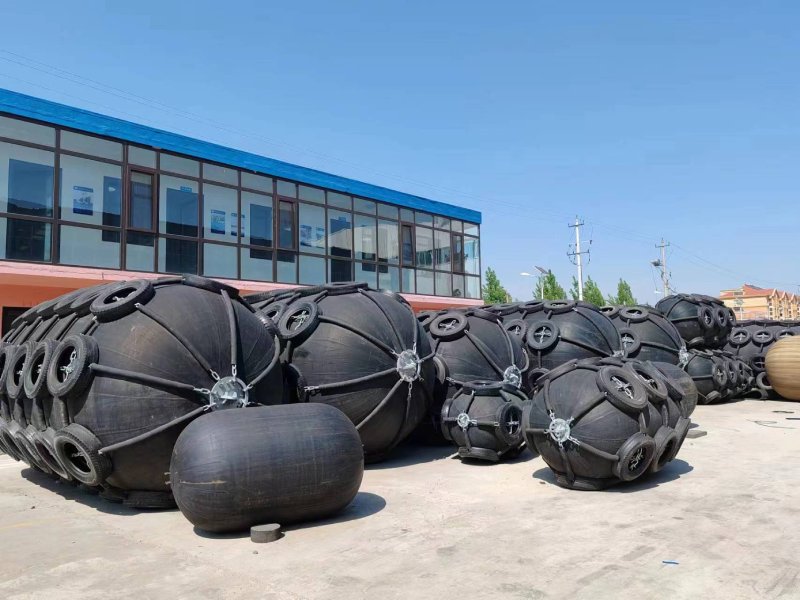
The weight of Yokohama rubber fenders varies depending on their size, material, and protective coating. These factors have a significant impact on their weight and performance at sea. For example, larger pneumatic fenders are heavier because they require more material.
Types of Materials Used for Fenders
In addition, the type of material used is important. Fenders made of solid rubber are heavier than pneumatic fenders. Pneumatic fenders are also known as lightweight Yokohama fenders and these fenders are lighter. It is therefore easier to transport and install.
Influence of Shields
On the other hand, the protective cover also affects the weight of the Yokohama fender. The weight of rubber fenders varies depending on the material and thickness. Knowing this, you will be able to choose the best fender for your vessel and harbor, ensuring safety and efficiency.
Simply put, the weight of a Yokohama fender is critical in marine applications. It depends on the size, material, and protective coating. Knowing these factors allows experts to choose the right fender product for their application, whether they need a standard or lightweight fender product.
Weight Variations Depending on Fender Options
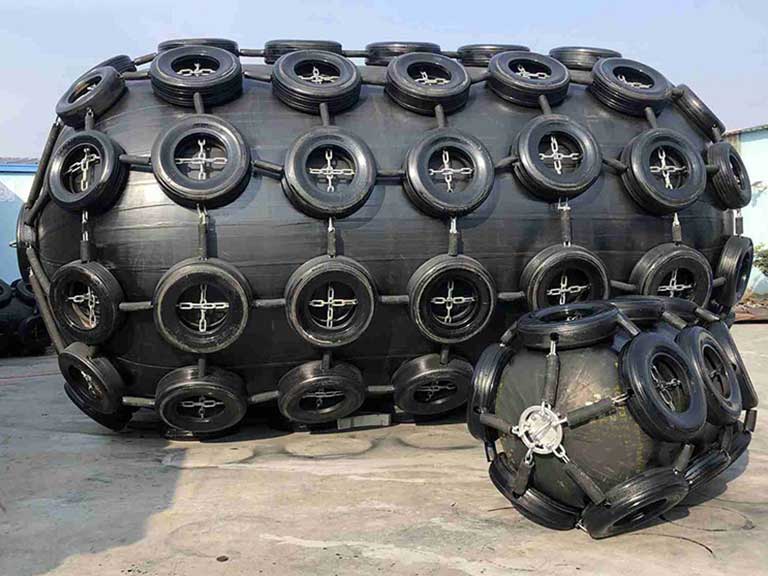
The weight of Yokohama rubber fenders varies depending on the protective layer. Zhonghaihang Shipping Supply offers chain and tire nets. However. these options affect the weight of the fender. The highest quality Yokohama Fender products balance durability and weight, making them ideal for waterborne operations.
The weight of a fender depends on the type of protective coating used. Therefore, chain link nets add significantly to the weight of a Yokohama fender. Tire nets, on the other hand, add a little less weight. Understanding this helps in choosing the right weight of Yokohama fenders for offshore operations.
As a result, there are two common types of Yokohama fender guards:
- Chain Link Mesh: The links made of metal are heavier. Therefore, fenders using this type of shield are heavier.
- Tire Mesh: Tires are lighter compared to metal materials. Therefore, fenders using tire nets are lighter.
Therefore, marine operators can choose the best Yokohama fenders by knowing the weight difference. This ensures that they realize the best combination of performance and longevity.

Customized Weight Options
For offshore operations, proper weight capacity is critical. Heavy-duty Yokohama fenders provide more support and protection for ships and docks. In addition, they are available in a wide range of weights to meet the specific requirements of various operations.
And safety is the most important consideration in ship-to-ship operations. Therefore, Yokohama rubber fenders are essential. It requires a specific weight to withstand the forces involved. The weight of these fenders ranges from a few hundred kilograms to several tons, depending on the size of the vessel.
Ship-to-ship Operations
The protective properties of Yokohama fenders are crucial in ship-to-ship operations. It ensures safe and efficient cargo transportation. Suitable Yokohama pneumatic fenders absorb and react to forces. Therefore, crews need to select Yokohama fenders of the appropriate weight.
Ship-to-Terminal Operations
The weight capacity of harbor fenders is critical in ship-to-shore operations. These fenders must be able to withstand the forces of docking and disembarkation. And Yokohama fenders provide adequate support and protection.
Special Installation Considerations
Some operations require unique fender configurations. Therefore, this may involve unique installations or specialized equipment to ensure that marine operations are conducted safely and correctly. Zhonghaihang Shipping Supply can be customized to meet these special requirements to ensure that marine operations are conducted safely and efficiently.
Weight Management and Handling
Managing the use and transportation of Yokohama’s pneumatic fenders is critical to their safety and performance. Careful handling of Yokohama fenders is necessary to avoid damage and prolong service life. Zhonghaihang Shipping Supply provides information on weight control and handling of Yokohama fenders. This includes safe handling procedures and storage requirements.
Safe Handling Procedures
You can use appropriate handling procedures (e.g., personal protective equipment) and follow the manufacturer’s specifications. This reduces the risk of damage to the Yokohama fender.
To ensure proper use of the pneumatic fenders, they should be inspected for wear and tear on a regular basis. Identifying and dealing with problems promptly will help to ensure the safe operation of ships and port facilities.
It is critical to have a contingency plan in place for Yokohama fender failures, such as accidental deflations or bursts. This ensures a quick response and minimizes damage.
Storage Requirements
When not in use, Yokohama Floating Fenders should be stored in a cool, dry place. These rubber fenders should be protected from direct sunlight and moisture. In addition, the use of a protective cover helps to protect against UV radiation and other environmental hazards.
On the other hand, regular cleaning with water and neutral detergent will also help keep the fenders in good condition. This may extend the life of the Yokohama fender.
Performance Benefits of Choosing the Optimum Weight for Your Yokohama Fender
Choosing the right weight for a Yokohama fender is critical to its performance and safety at sea. Optimum weight Yokohama fenders offer significant advantages over older fenders. They absorb more energy and are easier to install. This means that ships and ports will operate more safely, efficiently, and economically.
Lightweight Yokohama fenders allow ships to move safely while at anchor. They reduce maintenance costs and the chance of causing damage. Because Yokohama fenders are strong and durable, they last longer. Therefore, it is the best choice for waterborne operations.
- Improve safety and reduce the risk of damage to vessels and harbor infrastructure
- Increased efficiency and cost-effectiveness of marine operations
- Extends service life and reduces maintenance costs
Crews and harbour managers should therefore choose Yokohama fenders of the optimum weight. This allows ships and harbours to perform better in a safe manner.
Conclusion
Choosing the right Yokohama fender is critical to your safety and efficiency at sea. Zhonghaihang Shipping Supply offers a comprehensive range of Yokohama fenders to suit all vessel sizes and needs.
Consider your vessel size, tidal conditions, and harbour loading requirements. This will allow you to choose a Yokohama fender product that combines protection and maneuverability. Proper load-bearing capacity helps minimize damage and shorten downtime. It also improves safety and productivity in marine operations.
Do you need a net, sling, or customized Yokohama fenders? The professionals at Zhonghaihang Shipping Supply are here to help. We have the expertise and quality service to ensure your marine operations are safe and efficient.
Frequently Asked Questions
How much does a standard Yokohama fender weigh?
What is the difference in weight between a net-type and a sling-type fender?
Does the protective cover significantly affect total fender weight?
Talk to our team.
Share a few details about your project — vessel, port, or operation. We'll reply within 24 hours.